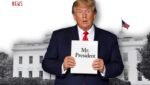
Ahead of the U.S. midterm elections on November 3, about 69% of registered voters said they were “very” or “somewhat” concerned about “corruption, using official position for personal gain, or conflicts of interest” in the administration of President Donald Trump. This is according to a poll by the Financial Times and the research company Focaldata.
The survey was conducted online from October 16–18 among 1,648 registered voters, with a margin of error of ±2.8 percentage points. Notably, nearly half of those who voted for Trump in the 2024 presidential election expressed similar concerns. In addition, nearly half of all respondents believe that the problem of corruption has become more serious during Trump’s second term compared with previous administrations.
These findings come against the backdrop of several other polls in which government corruption ranks among the top issues worrying Americans, often ahead of inflation and gas prices. According to Gallup, 89% of Americans consider government corruption to be widespread — a record high for the past 20 years. A Fox News poll showed that 60% of voters are “extremely concerned” about government corruption, while about 88% are “extremely” or “very” concerned. According to a Washington Post-ABC News-Ipsos poll, roughly two-thirds of respondents believe Trump is using the presidency for personal enrichment.
Democrats are actively using the corruption theme in their campaign, linking it to issues of the cost of living and affordability. According to polls, more than 40% of respondents said rising prices increase the likelihood they will vote for Democrats. The Financial Times previously reported that members of the Trump family earned at least $1 billion from cryptocurrency projects during his second term.
The White House rejects the accusations. An administration spokesperson stated that there are no conflicts of interest, that the president is waging a consistent fight against fraud in federal agencies, and that he is protecting taxpayers’ interests.
Experts note that the widespread perception of corruption as a problem, especially when combined with economic difficulties, could affect the outcome of the midterm elections, in which Republicans are seeking to retain control of Congress and Democrats are aiming to regain the majority.