
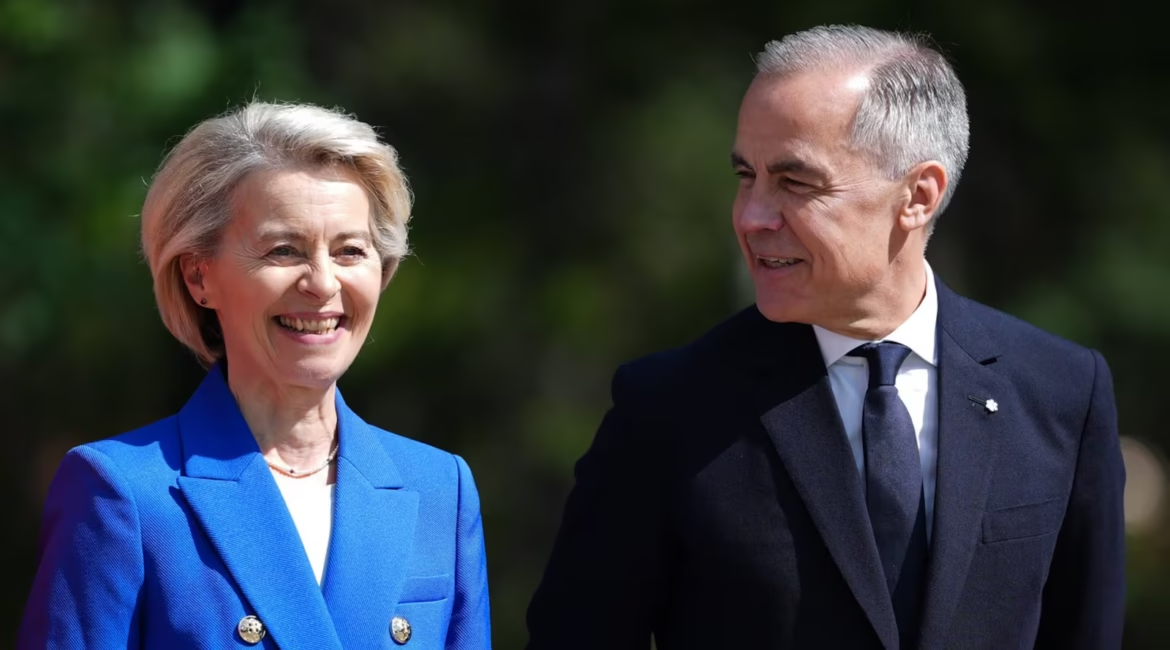
In June 2025, Canada and the European Union formalized the Security and Defence Partnership (SDF), a pact that binds Canada more closely to Europe’s rapidly evolving defense architecture. The agreement represents a concrete response to changing security dynamics, namely the belief that the United States can no longer be counted...
Russia’s Shadow Fleet: A Masterclass in Sanctions Evasion
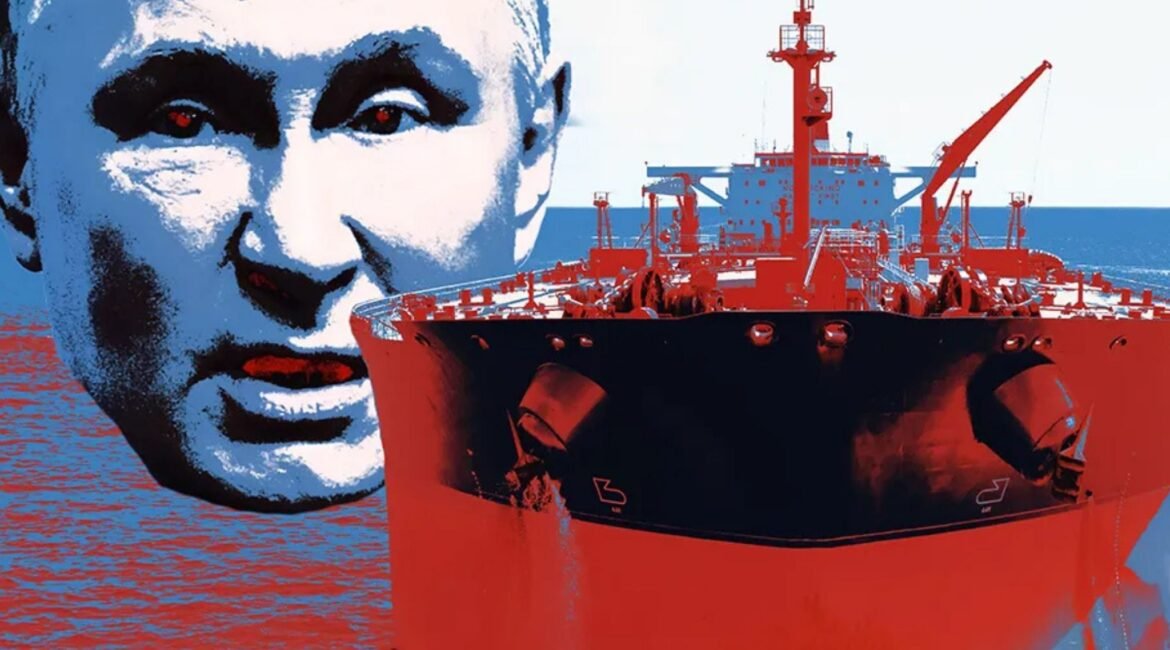
In the wake of Western sanctions surrounding the Ukraine war, Russia developed a network of clandestine oil tankers to ensure the continuity of its energy exports – the so-called “shadow fleet.” This system of tanker ships, through various deceptive practices, has been successful in evading international monitoring and restrictions. The...
Why France is withdrawing military forces from Senegal

France’s decision to withdraw its military forces from Senegal in 2024–2025 marks a major shift in its Africa strategy. This move is driven by a combination of regional, political, and strategic factors, reflecting the erosion of French influence in West Africa. 1. Regional Anti-French Sentiment Growing public hostility toward French military presence in former colonies like...
Strategic Risks of Budapest’s Covert Ties with Russia
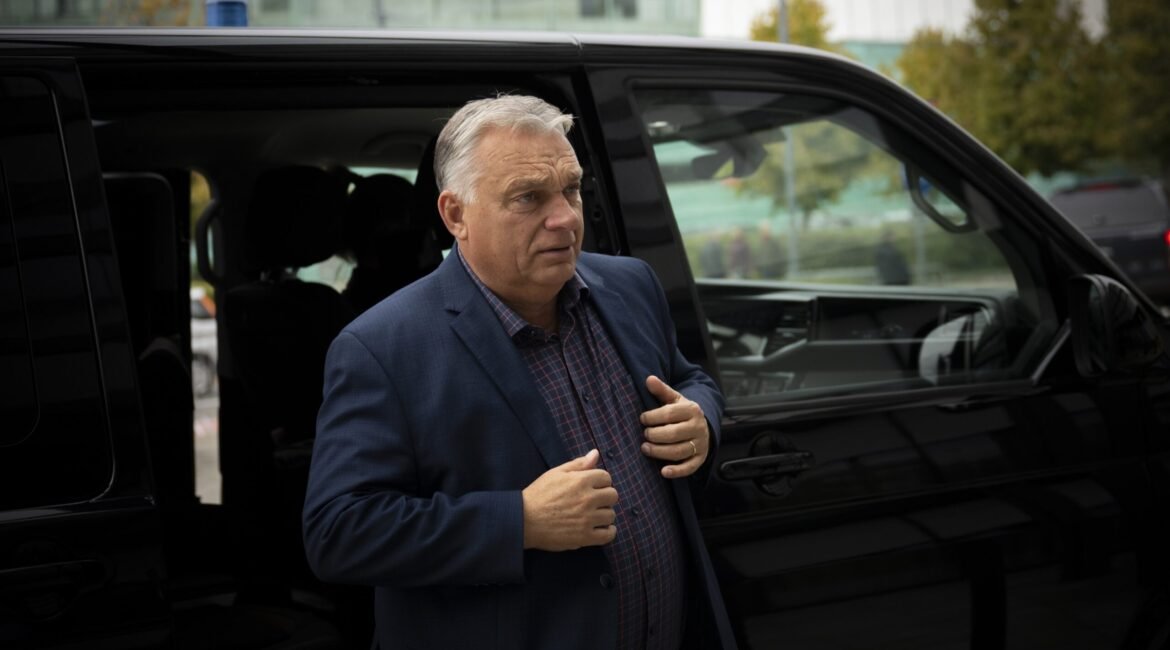
Hungary under Viktor Orbán has become a geopolitical pivot point where Russian oil money, Chinese strategic investments, and American capital intersect. This convergence presents serious risks to both the European Union and NATO. Orbán’s deepening entanglements with Moscow—masked as business ventures—are not only eroding EU unity but also offering Russia a...
Russia’s Backdoor into Europe
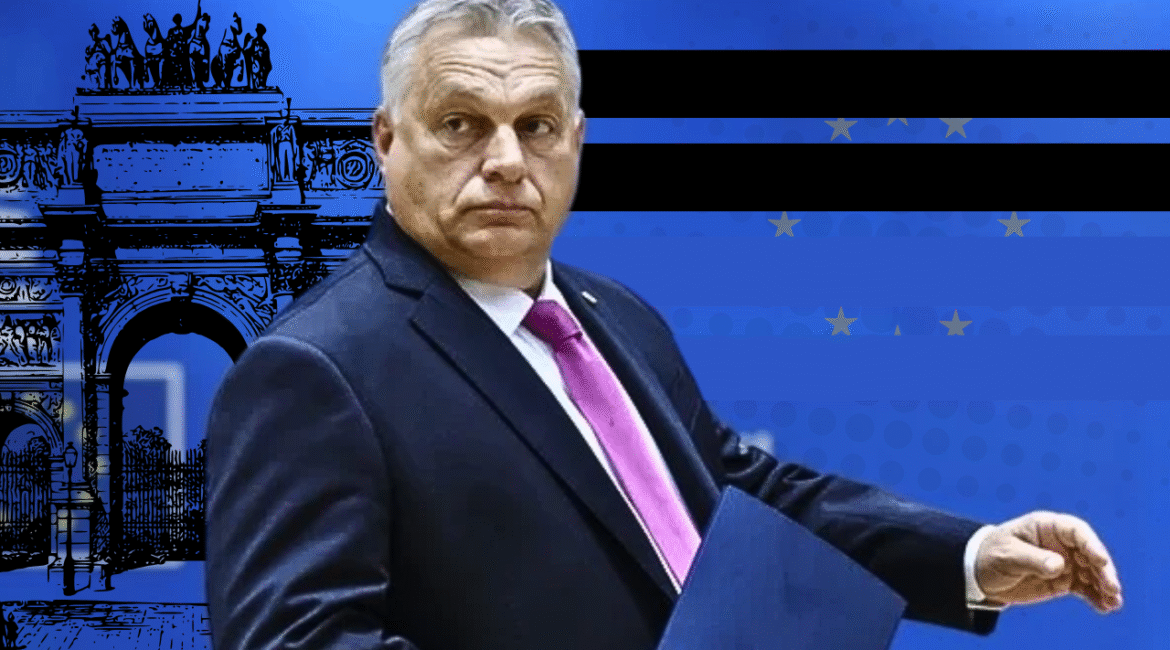
Orbán is no longer just a problematic EU member—he has emerged as a direct agent of the Kremlin, wielding bribery and institutions to destabilize the bloc from within. His strategic alignment with Moscow undermines EU solidarity, sanctions policy, and financial security—and demands urgent European scrutiny. In recent years, Hungarian Prime...
Investigating Europe’s water pollution crisis: blame it on industrial farming
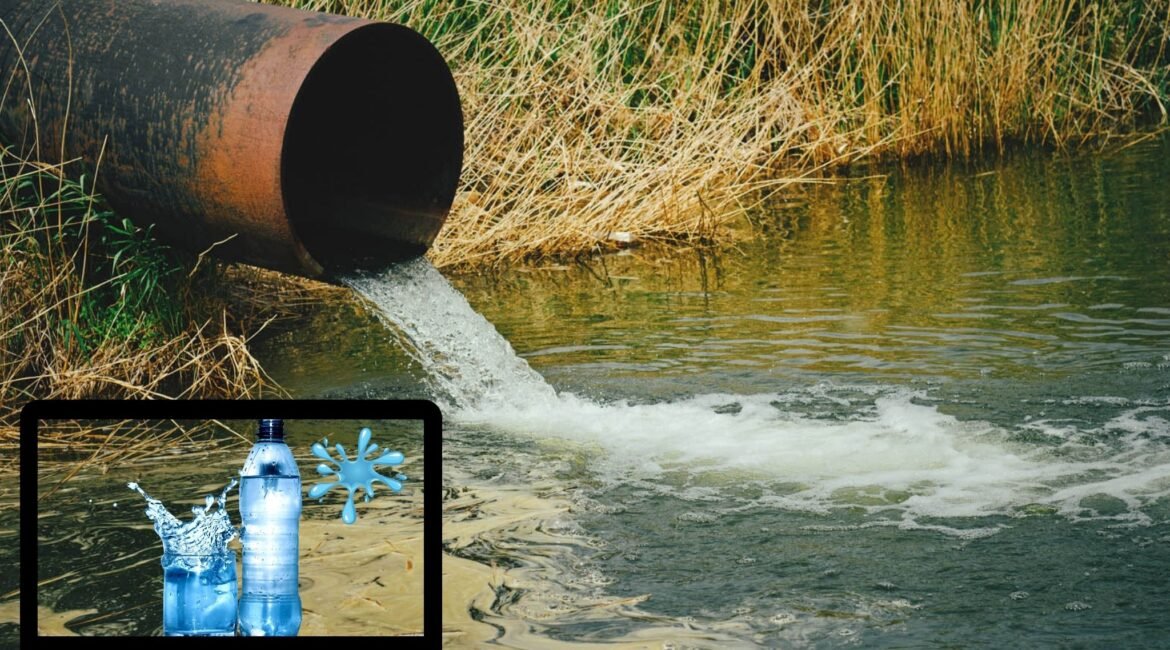
Despite comprehensive regulations, around 60 percent of Europe's surface water and a quarter of its groundwater do not meet "good" standards. Agriculture bears most of the responsibility. First part of an in-depth investigation on our most precious resource. From the beaches in Brittany, France, to the groundwater of Aragon, Spain;...
Deforestation has killed half a million people in past 20 years
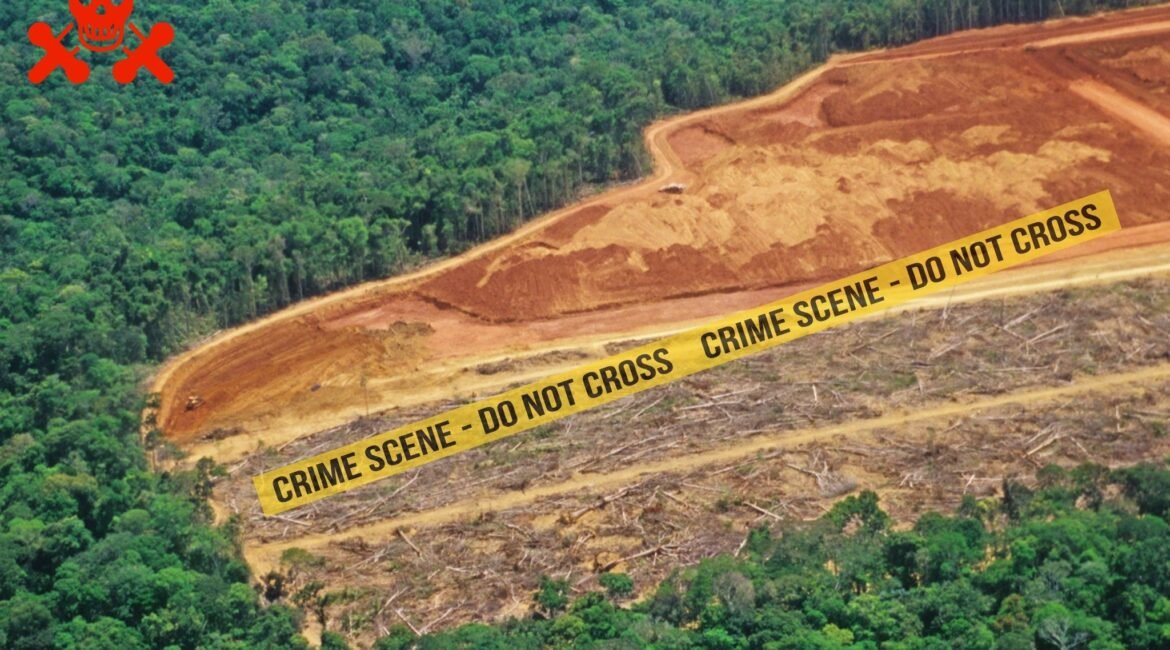
A new international study has found that deforestation has caused the premature deaths of around 500,000 people over the past two decades. Researchers in Brazil, Ghana and the UK compared non-accidental mortality rates with temperature rises in regions where tropical forests have been cleared. While earlier studies highlighted the role...
Chinese bankers are at the center of global crime
China’s underground financiers have specialized in international money laundering. Three separate police investigations in Italy recently uncovered around 1 billion euros in proceeds from drug trafficking of the Calabrian ‘Ndrangheta, Colombian drug cartels, and Albanian organized criminal groups. The more important finding may have been who it was determined had laundered...
Moscow’s recognition of the Taliban will backfire
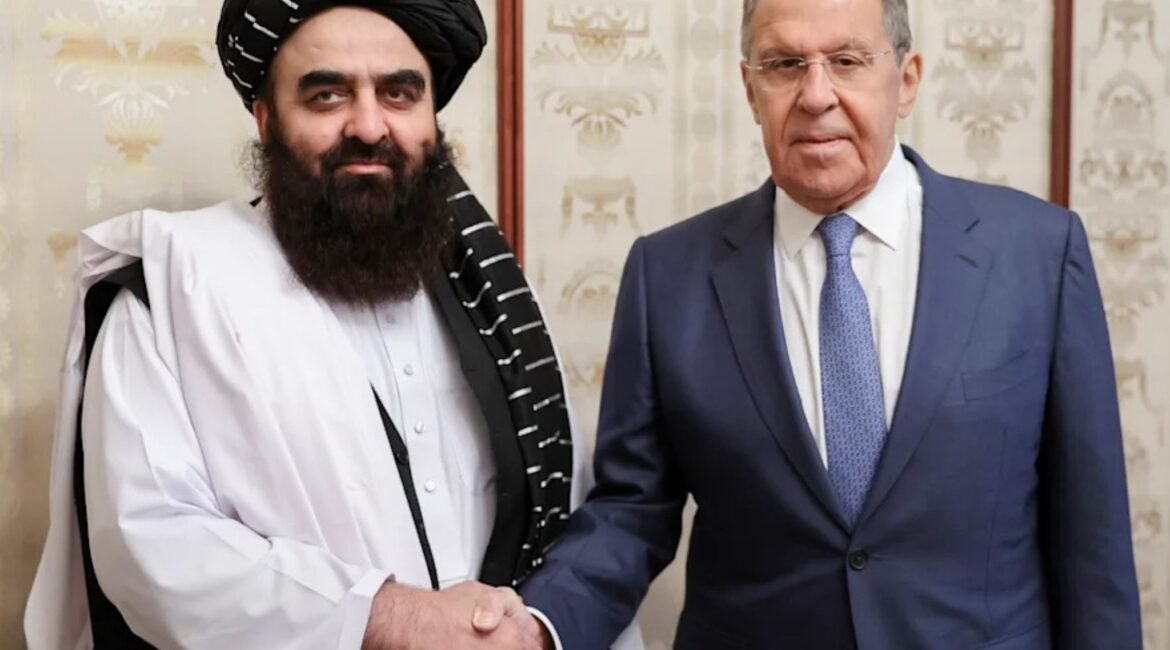
Recognizing Afghanistan’s extremist leaders will fuel radicalism. Nearly four years after the Taliban’s reconquest of Afghanistan, Moscow has formally recognized the Taliban regime as the legitimate government of Afghanistan—a move that has been welcomed by China. Moscow’s decision is an invitation for other states in the region, from China to...
Green funds: how a jungle of indices turned fossil fuels into a sustainable investment
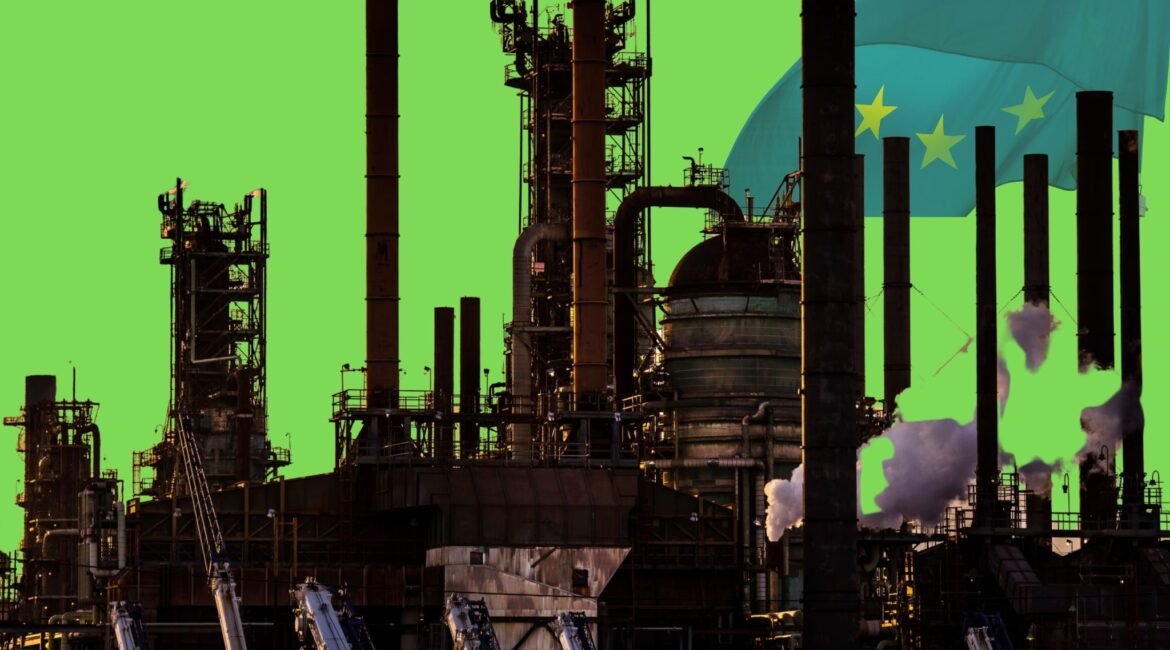
To set up their investment funds, asset-management companies such as Eurizon (a subsidiary of Intesa SanPaolo), are using indexes that regularly include fossil-fuel companies. Exploiting loopholes in European regulations, they can thus sell "green" funds that in reality are anything but. The solution? Tougher rules. When creating their funds, asset-management...