
The GRU Spy web under the guise of oil exports

In late November 2024, a surge of activity unfolded over strategic US and UK airbases in East Anglia—RAF Lakenheath and RAF Fairford—where the US had resumed stationing its tactical nuclear weapons in the summer of 2025. Over the course of a week, groups of unidentified, low-flying unmanned aerial vehicles (UAVs)…
Project Fish revelations: the Kremlin’s secret operation against the British elite
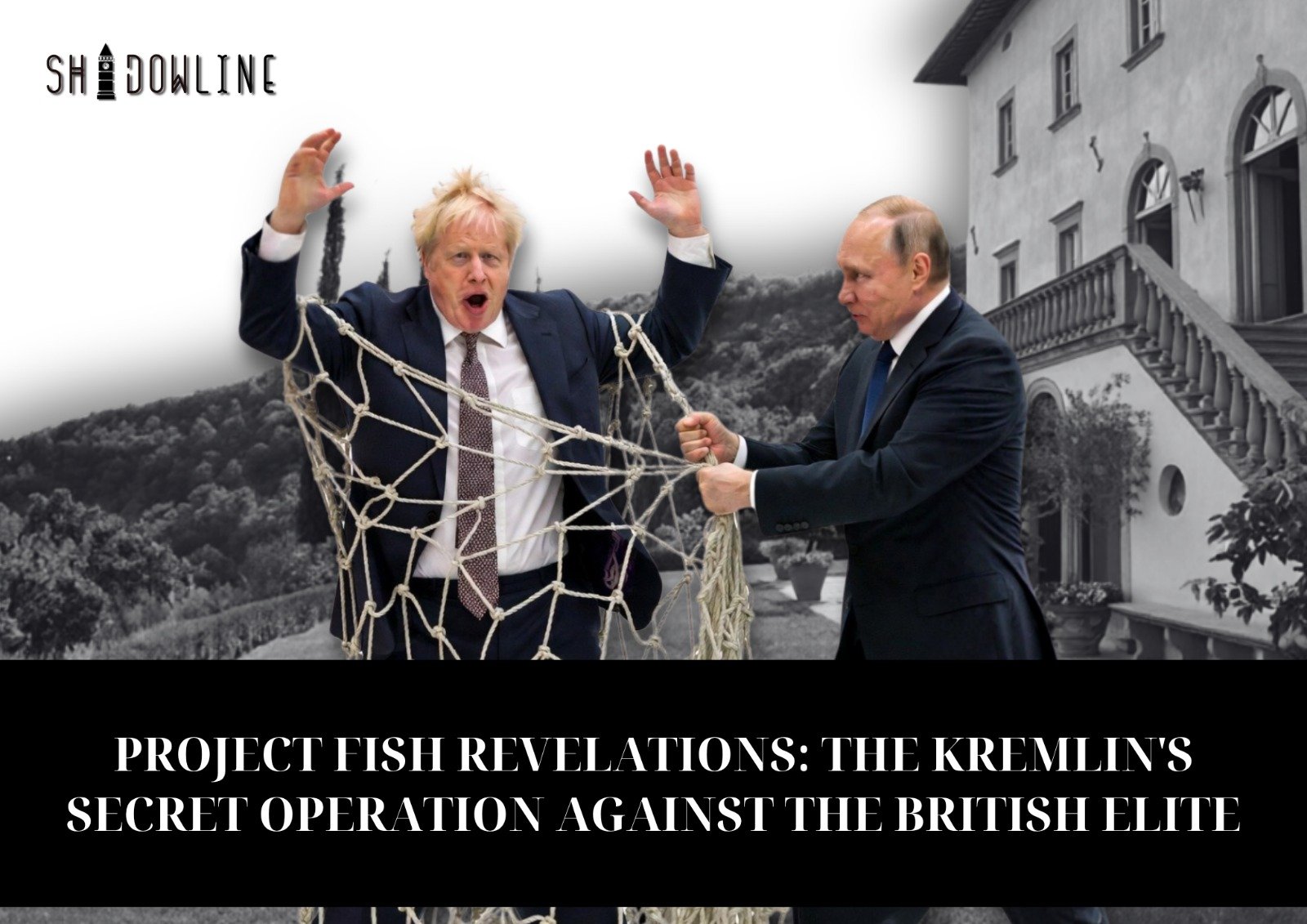
In the corridors of British intelligence agencies and the halls of Westminster, rumors about the scale of Russian influence in the highest echelons of power had been circulating for a long time. However, recent revelations, largely based on intelligence archives and materials from the former head of MI6’s Russia desk,…
Who and how is shaking up the Italian government at the behest of Moscow

The Kremlin’s animosity toward Italian Prime Minister Giorgia Meloni has been repeatedly demonstrated through public attacks and insults directed at her by pro-government Russian propagandists. Russia is displeased with the consistent policy of the Italian official, who has done a great deal to reduce Italy’s energy dependence on the Russian…
The Kremlin’s spy fleet — oligarchs’ superyachts in the service of intelligence
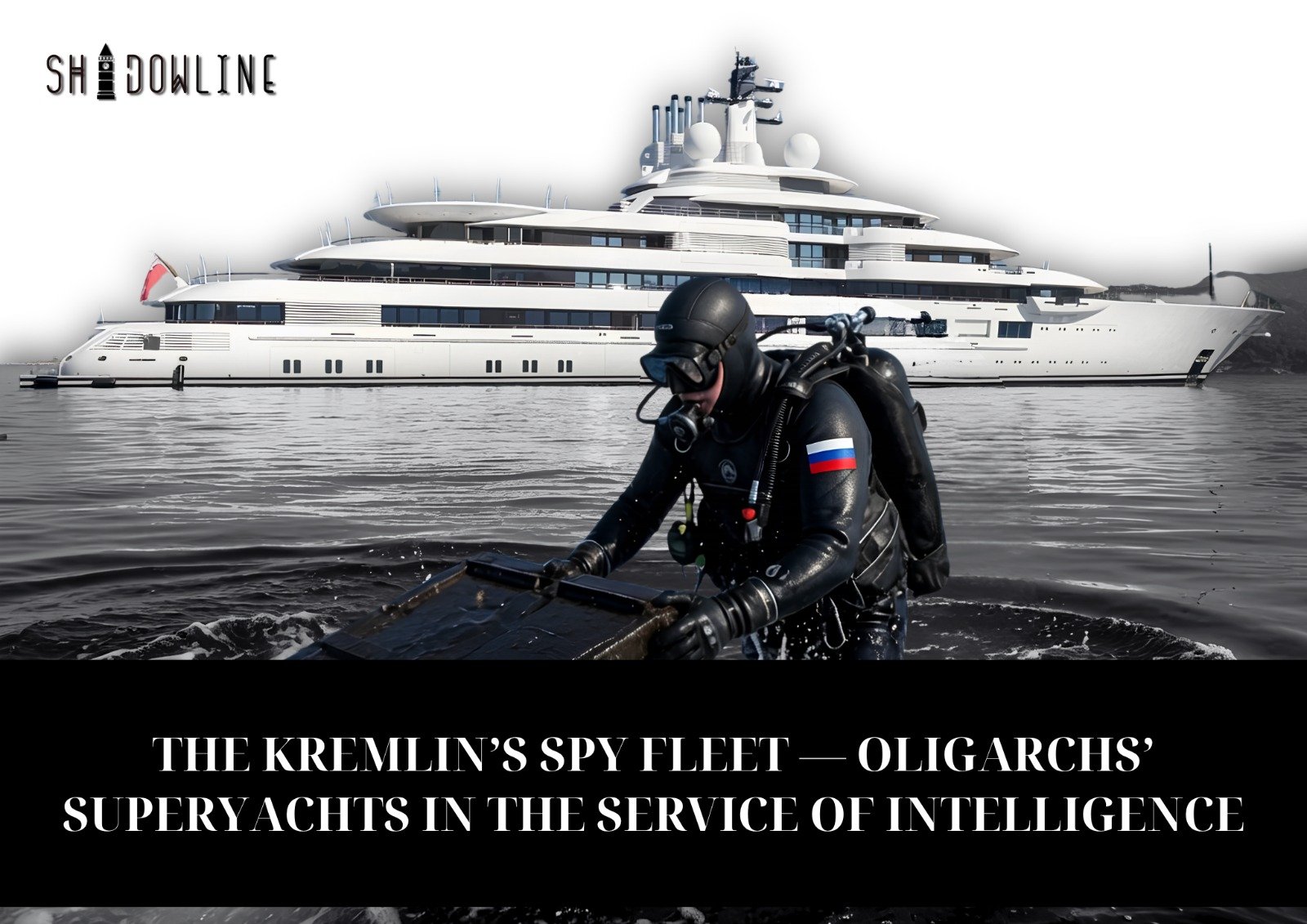
In 2018, an incident unfolded off the coast of Cyprus that remained in the shadows of official naval reports for a long time. The British landing ship HMS Albion, conducting closed maneuvers in the eastern Mediterranean, was forced to weigh anchor urgently and change its operating area. The reason for…
How Russia plans to destroy the Visegrad Four and paralyze the EU

In June 2026, an international consortium of investigative journalists—including the Czech television channel “NOVA,” the Austrian magazine “Profil,” and the investigative platforms “VSquare” and “FRONTSTORY.PL”—published a massive cache of internal documents shedding light on Russia’s long-term strategy in Central and Eastern Europe. At the center of this large-scale leak were…