
Patrick Egan and his English-language media network: Orbán’s soft power
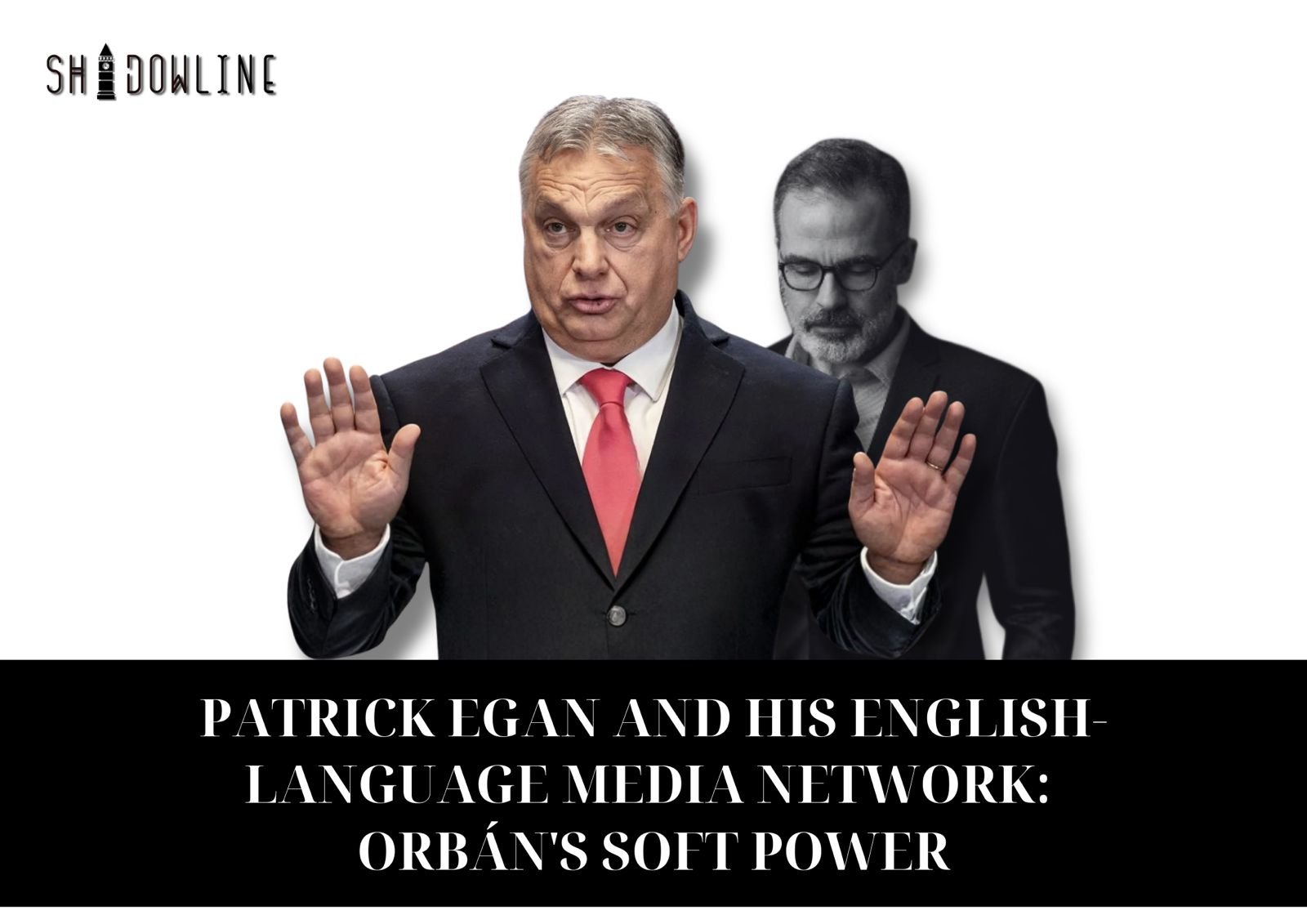
Patrick Egan is increasingly mentioned in analytical and expert circles as one of the most prominent and controversial figures in the English-language media space in Central and Eastern Europe. An American media strategist and graduate of the University of Oregon and the Fletcher School of Law and Diplomacy (Tufts University),…
The rise of the AfD: causes, rhetoric, and the Russian connection
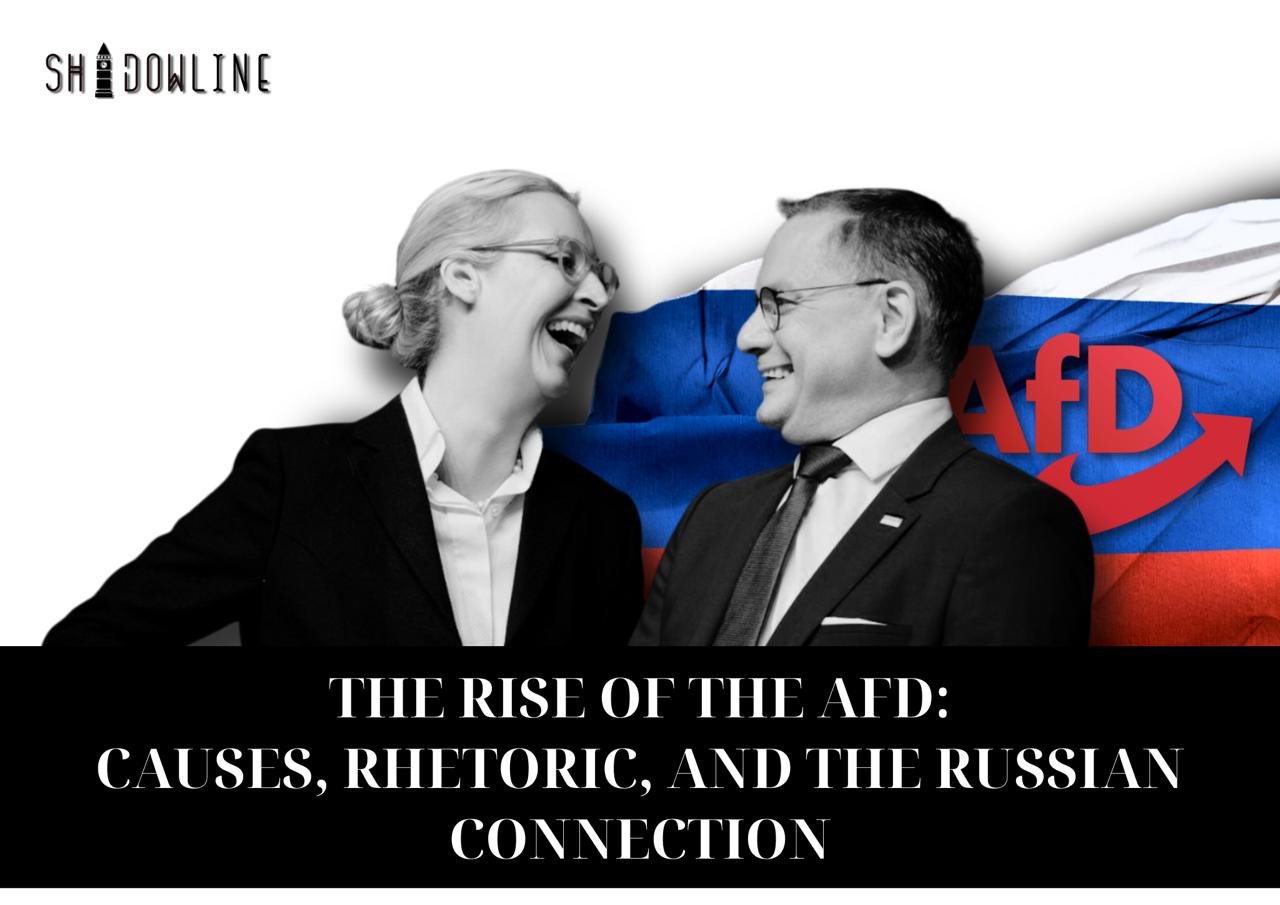
The rise in popularity of the Alternative für Deutschland (AfD) party is no longer a phenomenon but has become one of the serious challenges for German and European politics. While in the mid-2010s the AfD was perceived as a protest group of Eurosceptics, today it is confidently competing with traditional…
Blackout in Berlin: why radical left-wing movements are gaining strength in Europe
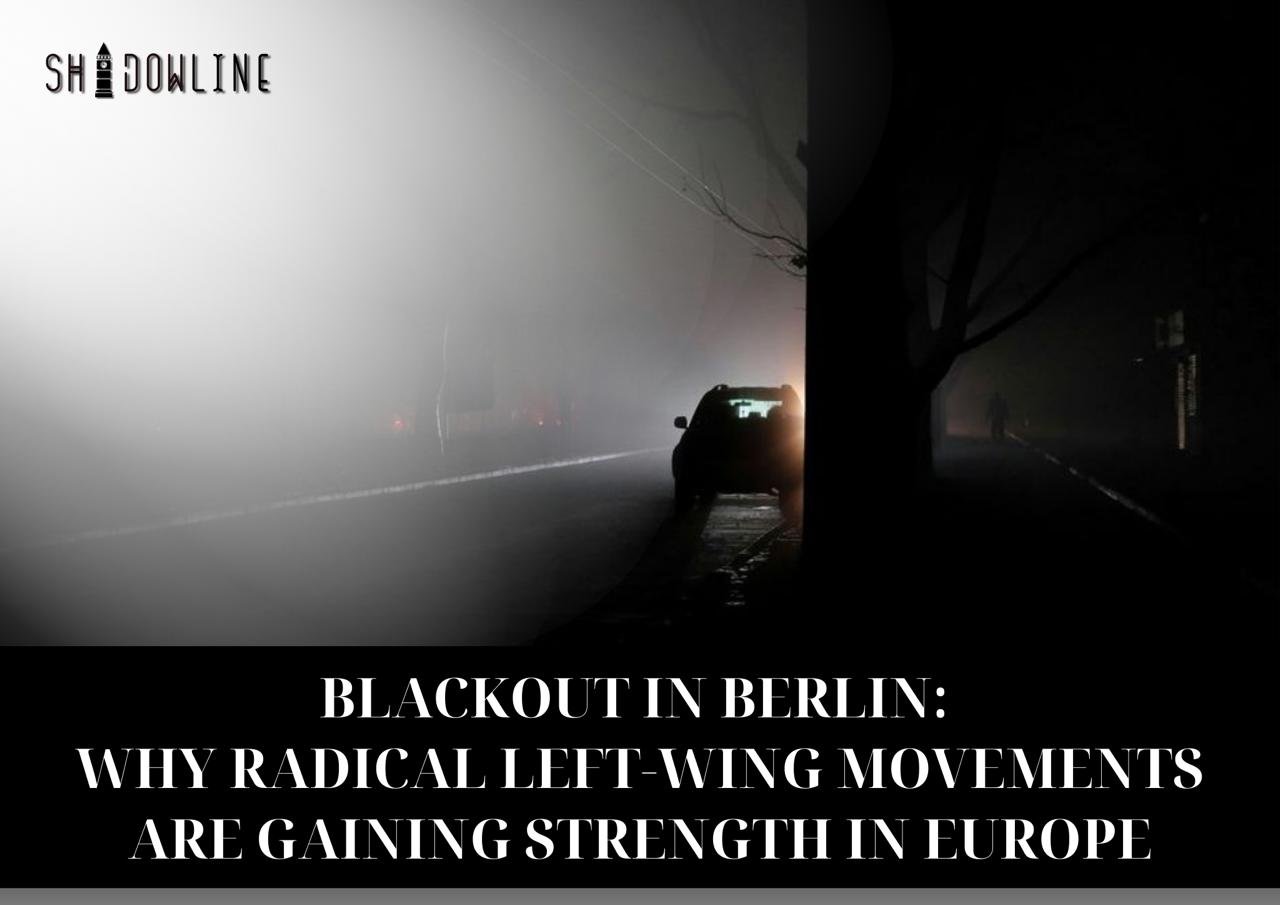
The beginning of 2026 was an alarming sign of a new phase of radicalism for Europe. The attack on Berlin’s energy infrastructure, which led to a large-scale blackout, clearly demonstrated that left-wing radical extremism, long considered a minor threat, had moved from local actions to strikes capable of disrupting the…
Fear as a strategy: what lies behind Orbán’s election rhetoric
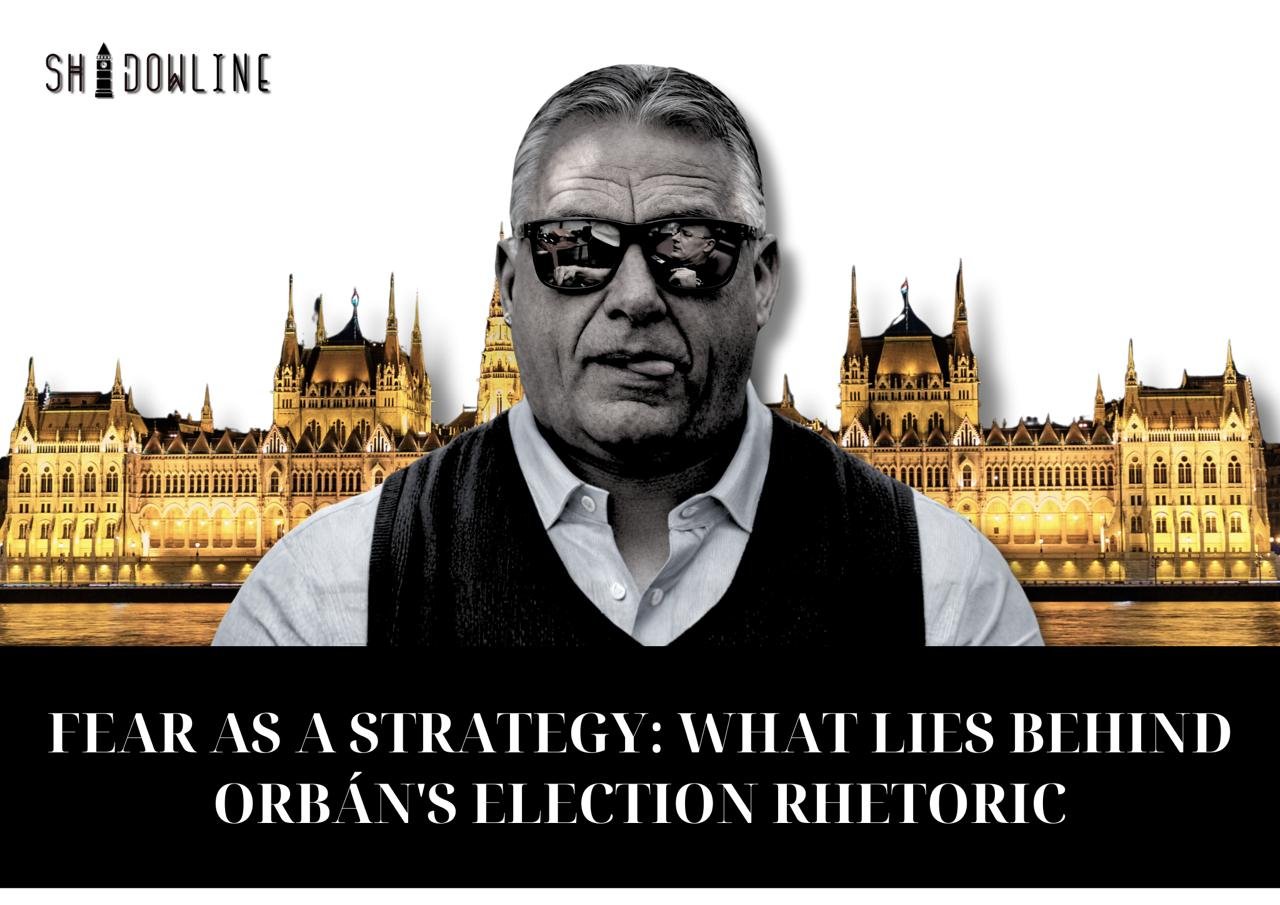
In early January 2026, Hungarian Prime Minister Viktor Orbán made one of the harshest and most candid pre-election statements of his entire time in power. Addressing Hungarian voters via social media and controlled media outlets with a call to support his Fidesz party in the elections, Orbán stated that the…
Russia’s shadow fleet and the threat to the Black Sea
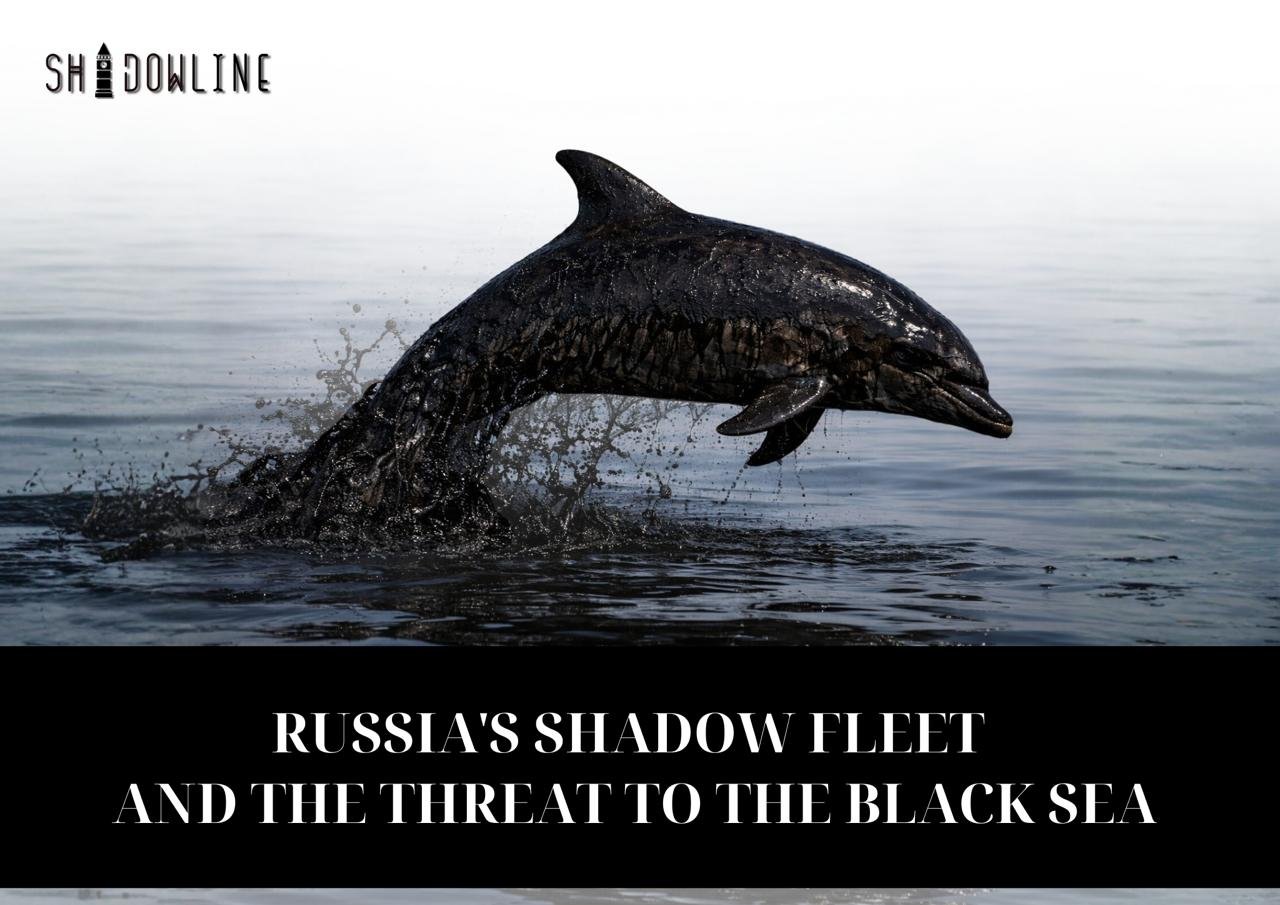
On December 15, 2024, a major environmental disaster occurred in the Black Sea, near the Kerch Strait. During a severe storm, the Russian oil tanker Volgoneft-212 broke apart and sank. The vessel Volgoneft-239 also suffered critical damage and was washed ashore. Both tankers were carrying heavy fuel oil. These vessels,…