
Hungary and Slovakia became a convenient platform for Russian intelligence inside NATO
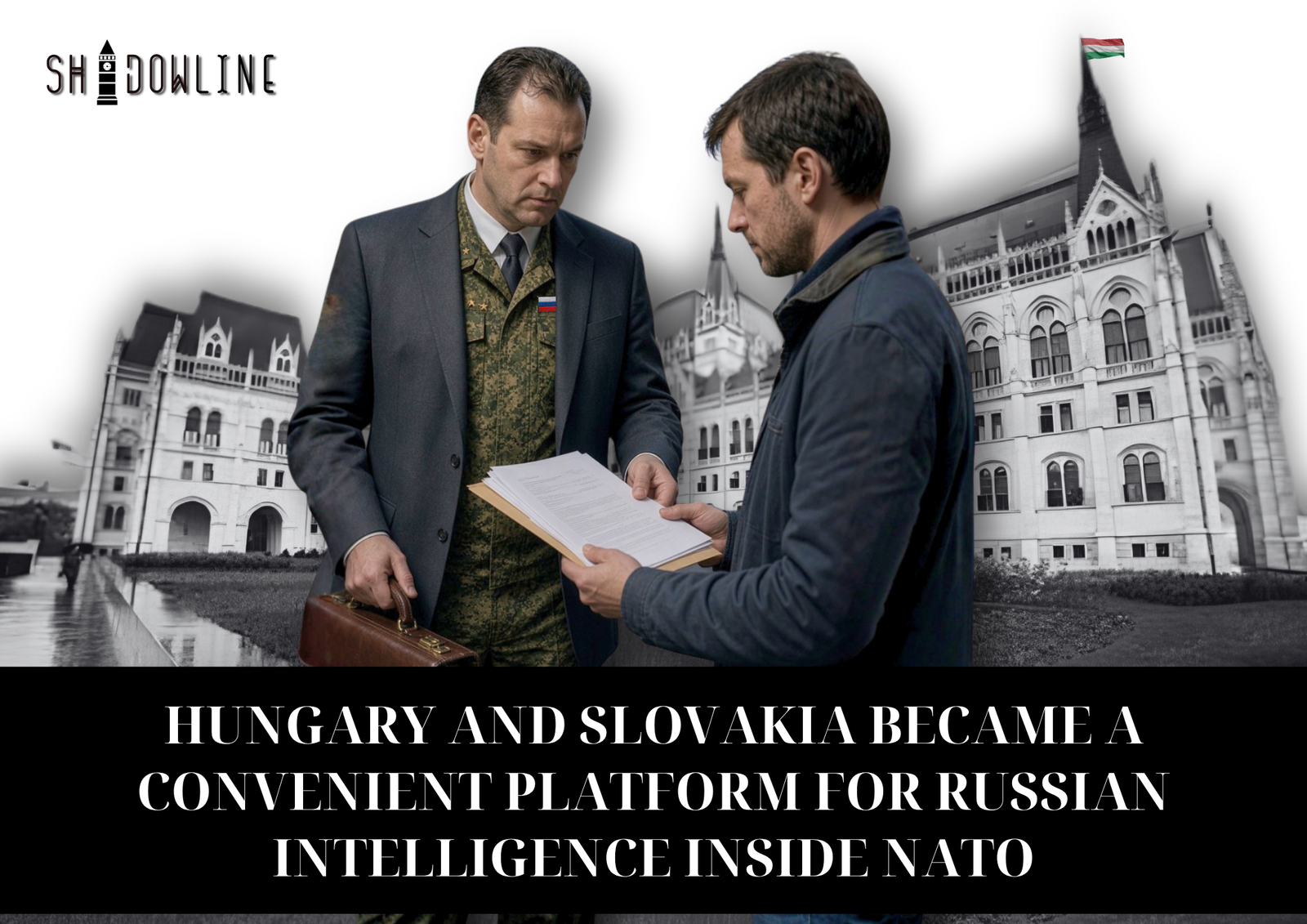
Hungary and Slovakia are of significant interest to the Kremlin because of their EU and NATO membership. The long tenure of political forces that built close ties with Moscow created favorable conditions for expanding Russian influence. Through loyal political elites, economic links, information platforms and agent networks, the Kremlin gained…
How Russia’s education system abroad builds loyalty to the Kremlin and hostility toward the West
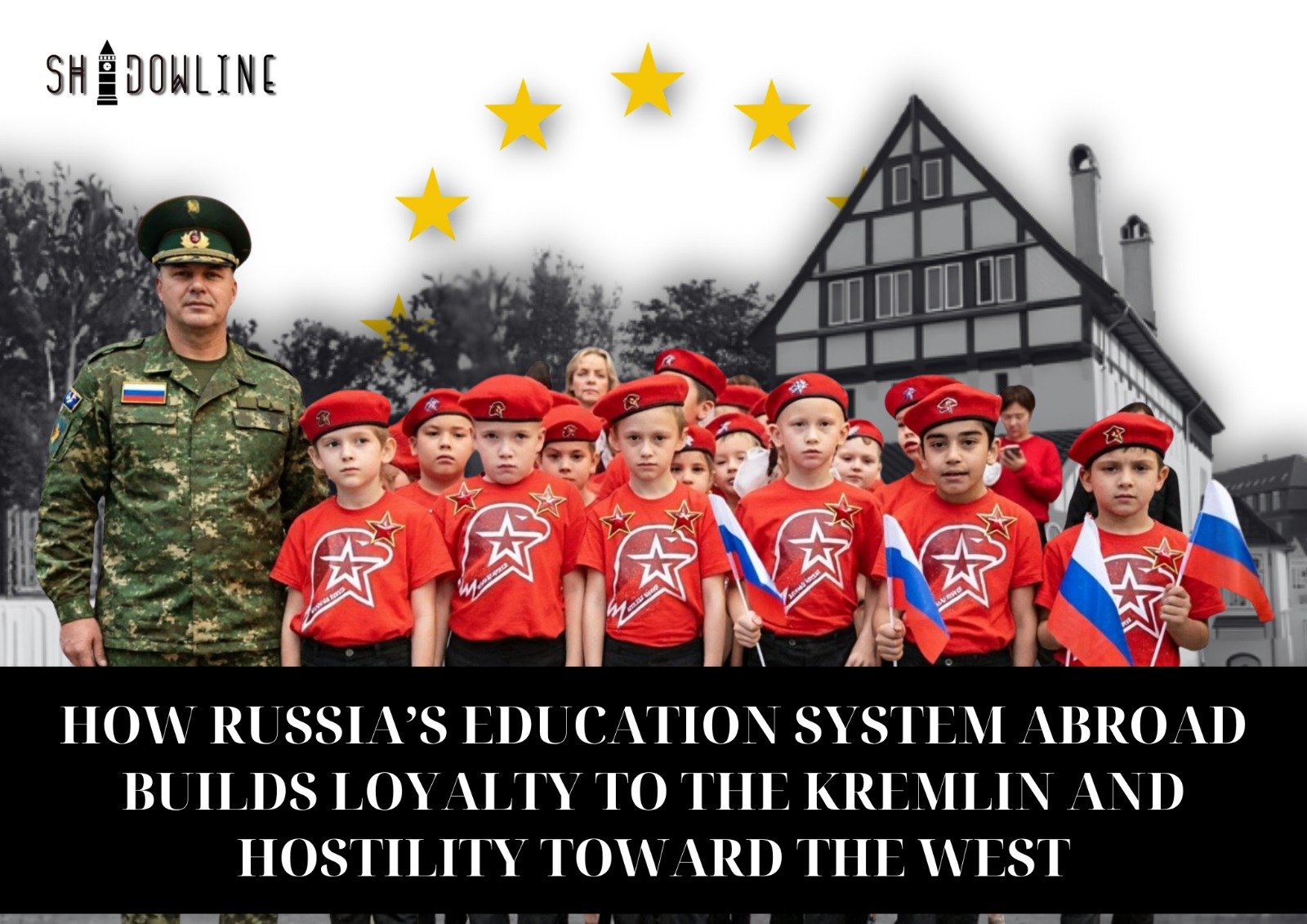
Education in Russia has never been limited to instruction. It has always performed an ideological and upbringing function as well. School curricula, textbook content, “patriotic education,” and military training are shaped by state priorities set by the Kremlin. Their purpose is to form a generation loyal to Russian government policy…
The Kremlin’s Disposable Agents in Europe
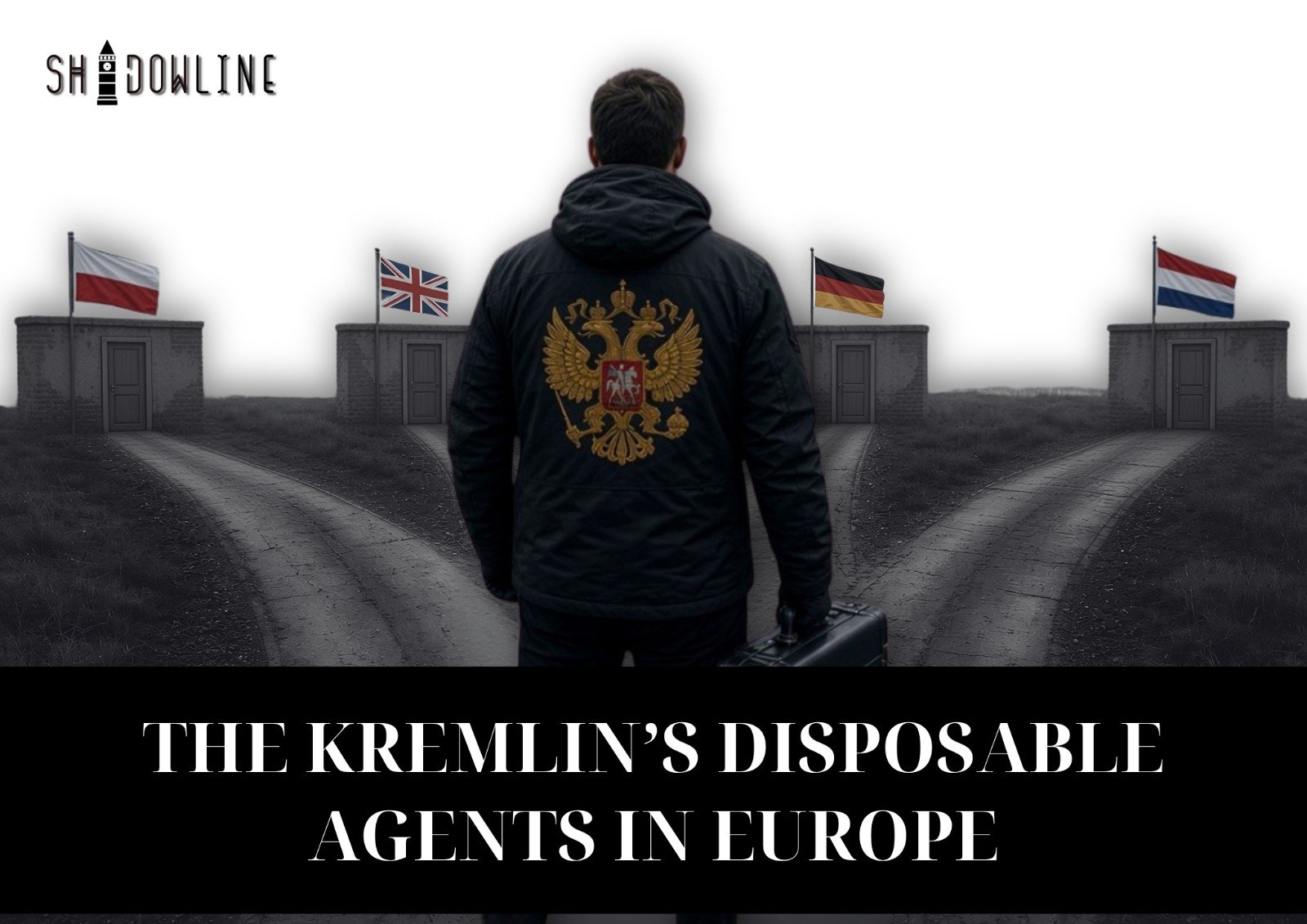
Russia’s hybrid aggression against Europe has intensified markedly in 2026, and one of its most dangerous strands is the expansion of sabotage. In recent months, European intelligence services have increasingly warned of Russian sabotage, the recruitment of operatives, and preparations for attacks on sites linked to support for Ukraine. The…
A tourist paradise for circumventing European sanctions

Tighter Western restrictions have not cut Russia off from dual-use technologies and sanctioned goods of European and American origin used in Russia’s defense industry. Having adapted to the sanctions, Moscow has widened the geography of supply through third countries — from traditional transit routes in Central Asia to tourist and…
Russia expands its cyber war against Europe

From 24 to 26 August, Norway’s government digitalisation agency Digdir fended off a cyberattack that Norwegian officials described as the largest in recent months. The attack disrupted logins through ID-porten to dozens of government services, including MinID, Altinn and E-innsyn. According to Norwegian media, Digdir documents were also among the…