
Russia’s information war and Britain’s new anti-Russian sanctions
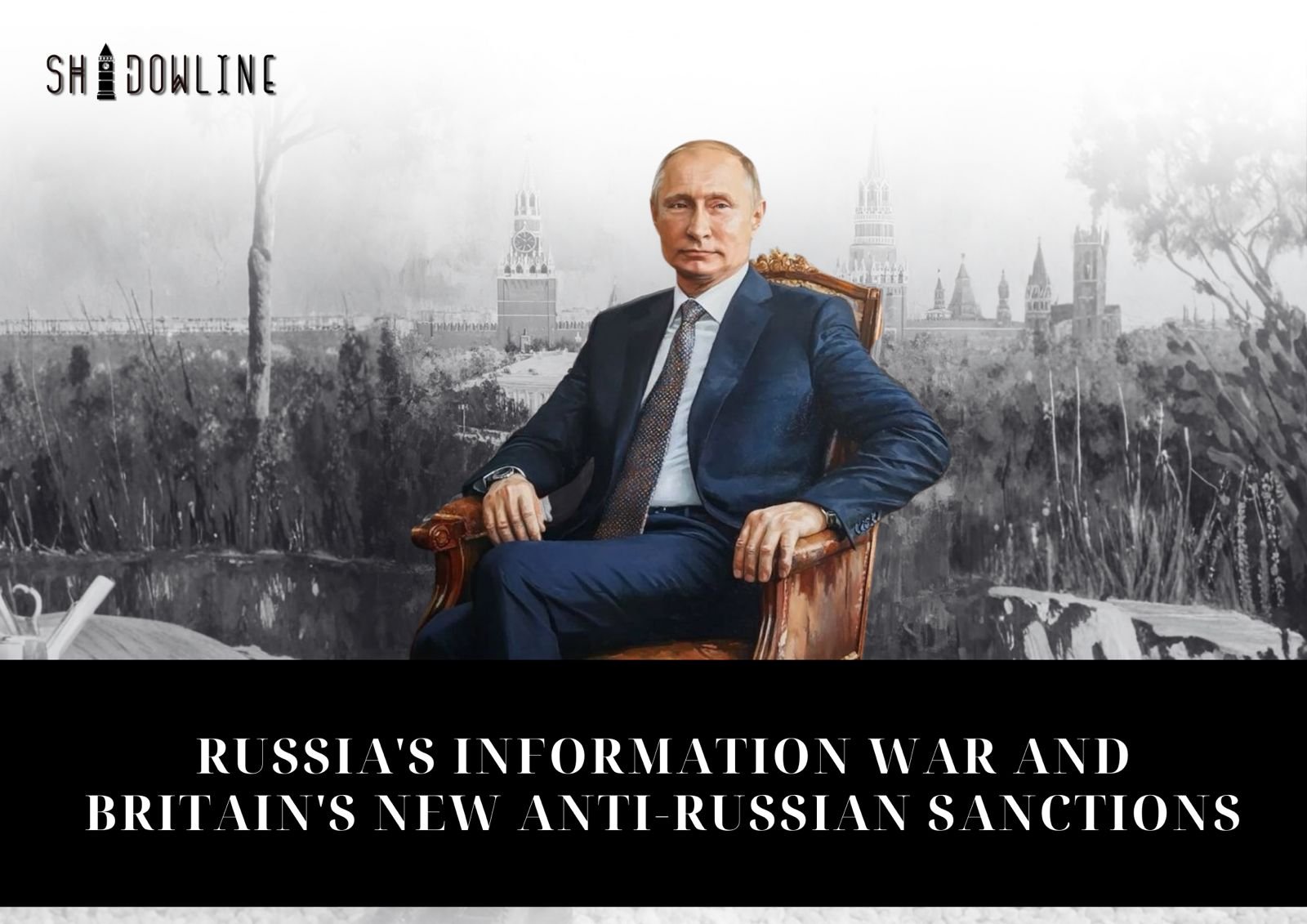
The British government’s decision to impose sanctions on a number of Russian entities accused by London of participating in information warfare signals a new level of Western response to hybrid threats. In particular, restrictions were imposed on the Russian Telegram channel Rybar and its co-owner Mikhail Zvinchuk, the Foundation for…
The new US strategy: implications for Europe
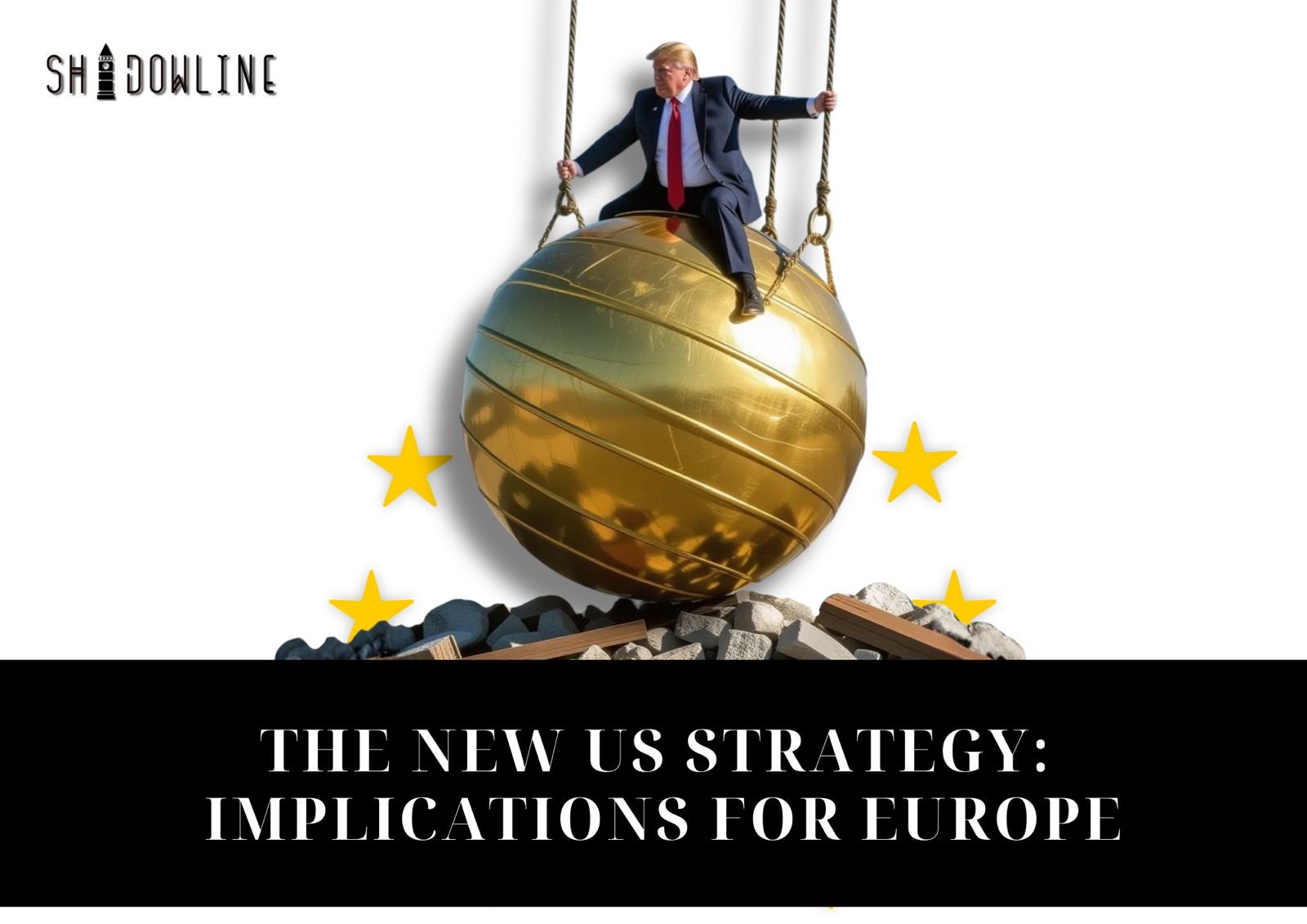
In December 2025, the US administration officially published a new National Security Strategy (NSS), the content of which came as a shock to European politicians. The document declares a clear reorientation of American priorities, with the Indo-Pacific region being declared the main theater of global competition, while Europe formally remains…
The new battle for the Atlantic: why Britain needs an “Atlantic bastion”
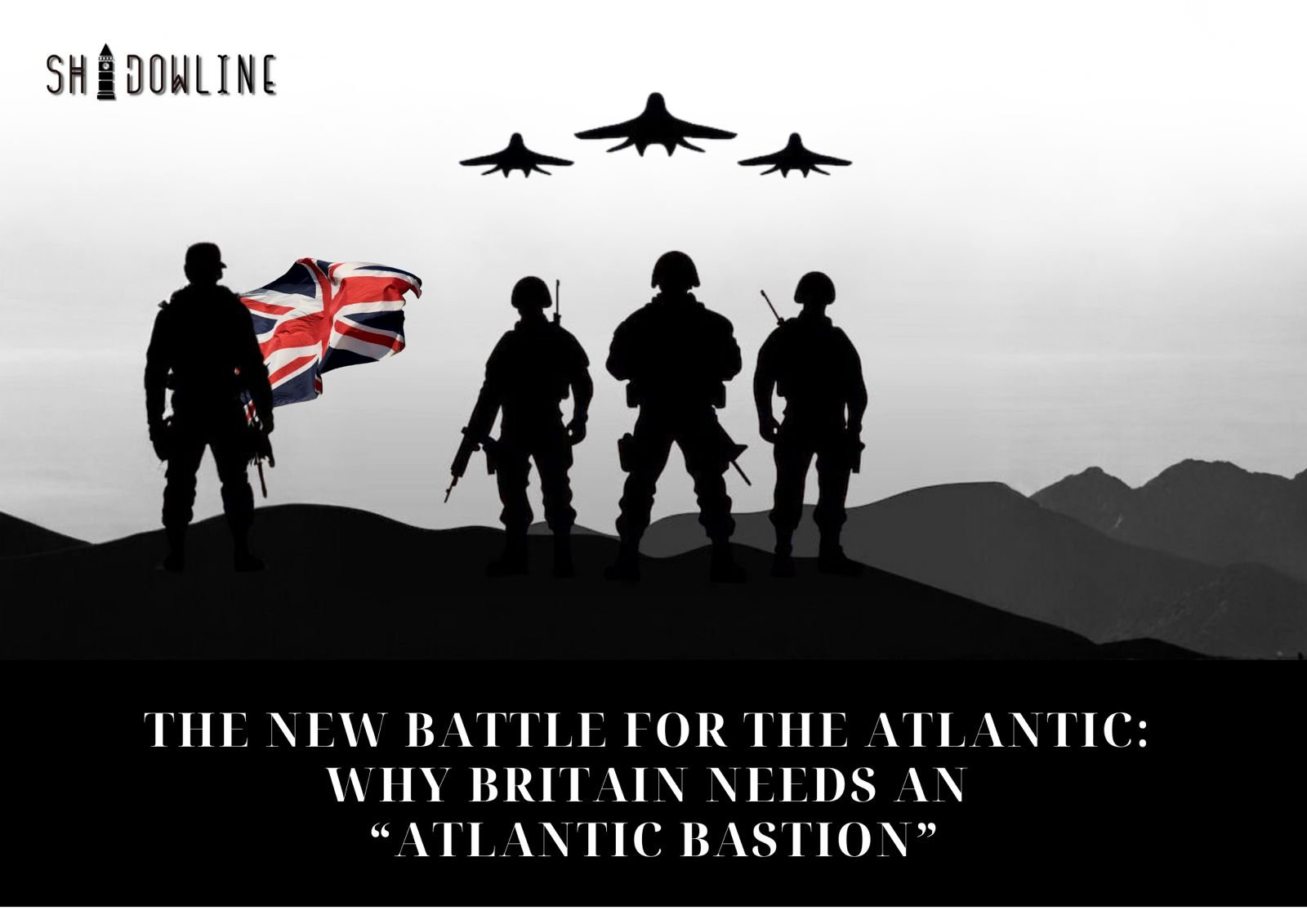
On December 8, 2025, the UK Ministry of Defense officially unveiled its new submarine defense program, Atlantic Bastion. The program is a direct response to increased Russian submarine and espionage activity. According to the statement, the project aims to “make Britain more secure from Russian submarine threats in the North…
Legal traps: as «Fides» puts the Hungarian opposition out of play
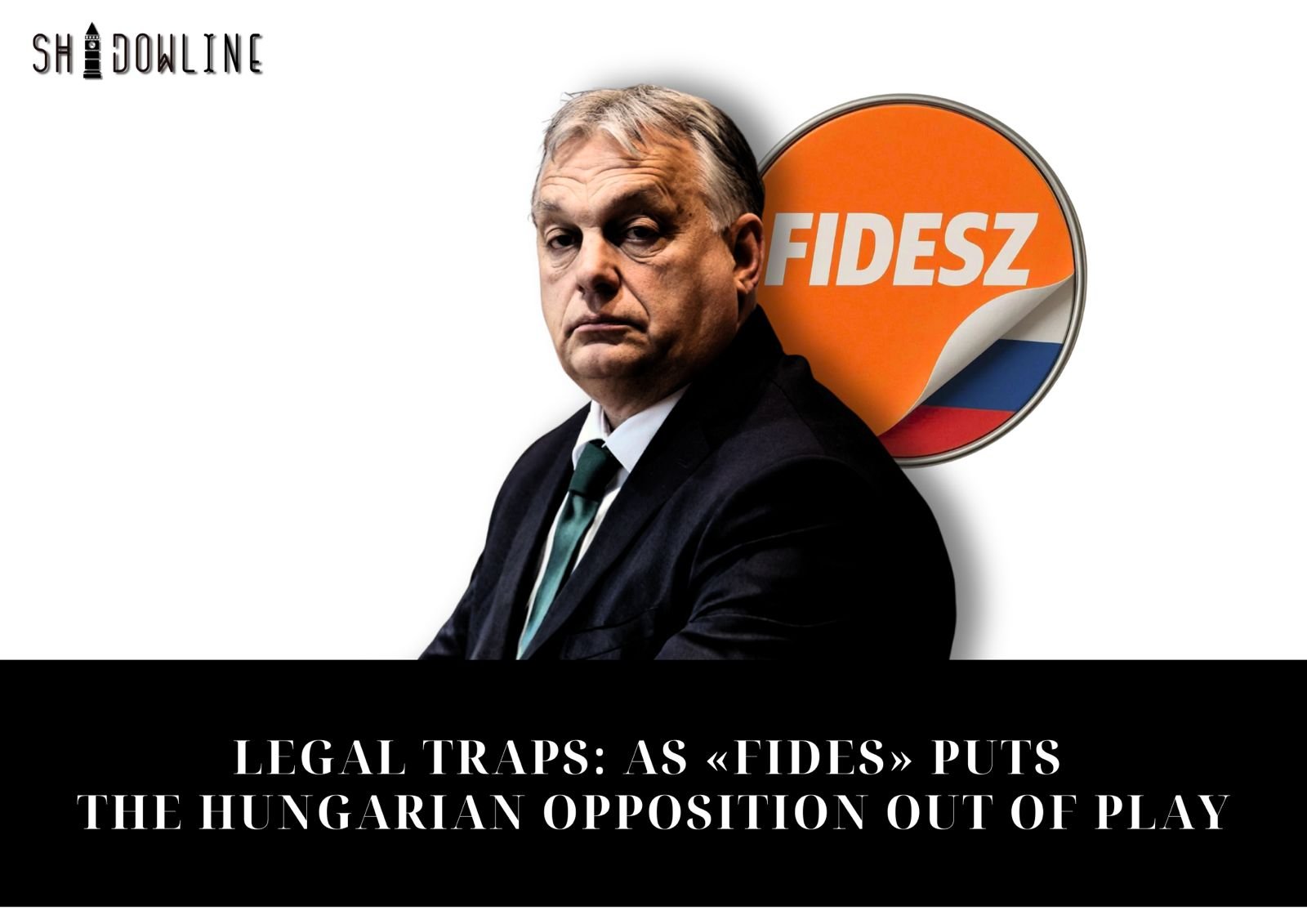
Against the backdrop of rhetoric about “protecting sovereignty,” Hungary’s ruling Fidesz party is systematically shifting the political struggle from the realm of ideology to the realm of law. A new wave of bills and institutional changes is creating legal barriers that not only complicate the work of opposition parties and…
How Putin’s European “friends” promote Russia’s interests in the EU
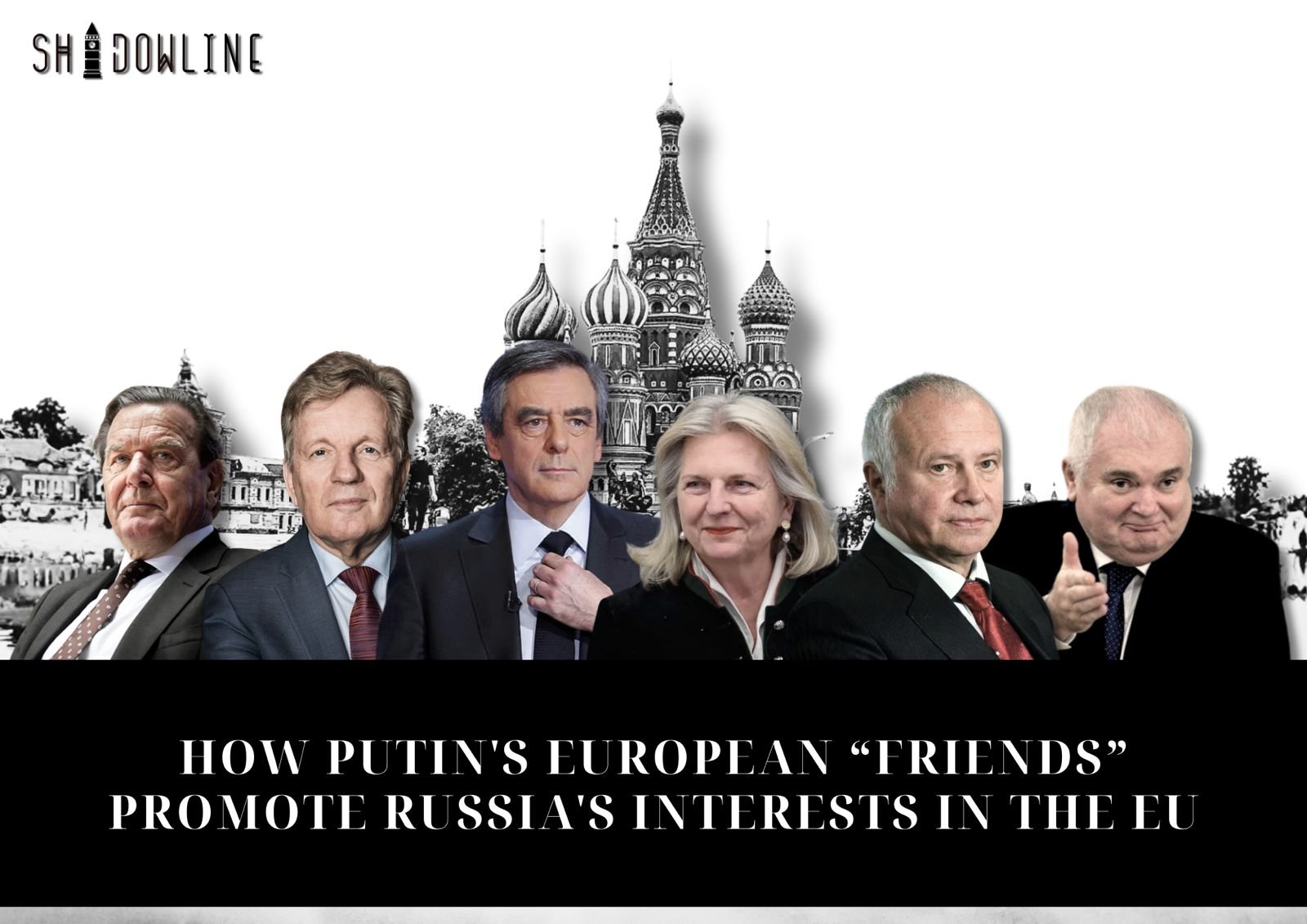
Promoting its interests has always been one of the Kremlin’s foreign policy priorities. One way of achieving this goal has been to win over former European politicians and influential experts. As a rule, they act as a link and a form of “soft power” that helps promote Moscow’s interests in…