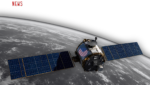
The Royal Air Force has announced the creation of the United Kingdom’s first dedicated space squadron — No. III Space Effects Squadron. The unit is intended to protect British satellites and counter hostile threats in orbit.
The announcement was made by Chief of the Air Staff Air Chief Marshal Sir Harv Smyth at the first UK Space Power Conference. The squadron will be the first unit not only to monitor threats in space, but also to act against them.
The new formation is tasked with disrupting, degrading and denying an adversary’s ability to operate against British interests in space. Its mission includes protecting satellites that guide British ships, support communications — including mobile networks — and provide warning of missile attacks. The unit will use advanced technology, including electronic warfare, and will be capable of both defensive and offensive space operations.
The squadron will complement existing RAF units: No. I Space Operations Squadron, which monitors activity in orbit, and No. II Space Warning Squadron, which provides warning of threats. The new unit will bring together specialists from across the armed forces. It will be based at RAF High Wycombe in Buckinghamshire, alongside Air Command, which has been redesignated Air and Space Command.
“Space no longer supports operations from the sidelines. It is a domain of direct competition, where our military advantage can be won or lost. No. III Space Effects Squadron will safeguard the vital benefits that space gives to our integrated armed forces, and will be capable of denying those benefits to our adversaries,” Sir Harv Smyth said. He also stressed that the United Kingdom does not want a war in space and will not escalate one: “We are positioning to deter this.”
The creation of the squadron is linked to the UK’s new Space Strategy, published this month. Authorities point to growing threats to satellites, including signal jamming, close approaches by foreign spacecraft and the development of anti-satellite weapons. According to British military officials, Russian satellites regularly attempt to jam UK military spacecraft and shadow allied space assets. Disruption of GPS, the RAF estimates, could cost the United Kingdom around £1.4 billion a day.
The government emphasises that the country remains committed to the peaceful and sustainable use of space, but must be able to protect critical infrastructure and maintain freedom of action in orbit.