
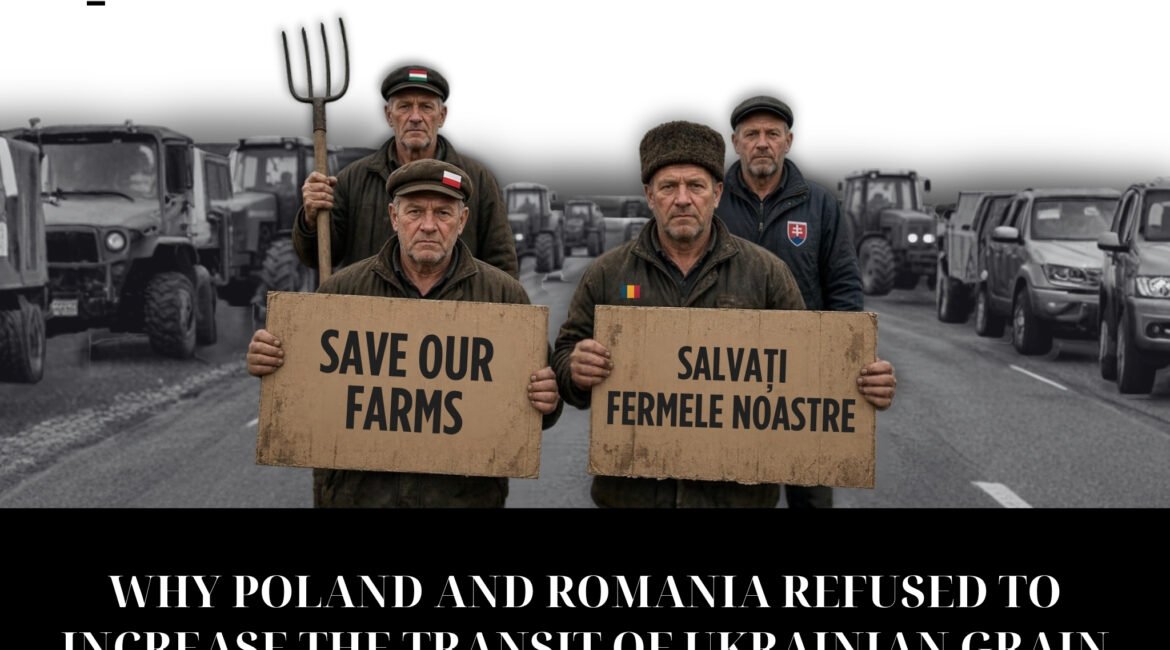
On October 4, 2026, Ukrainian Minister of Agrarian Policy Taras Vysotsky left Brussels empty-handed after asking European partners to increase the transit of agricultural products through EU territory and allocate €1.1 billion to cover rising transportation costs. The reason was a firm refusal from two key countries — Poland and...
Europe’s energy trap
In the autumn of 2026, Europe found itself in a familiar trap. Wholesale gas prices on the TTF hub were up roughly 70% year on year. Winter power futures in Germany topped €180 per MWh, the highest since the 2022 crisis. Diesel at German filling stations pushed past €2.47 a...
MI5 accuses Chinese institute of funding espionage through British AI research
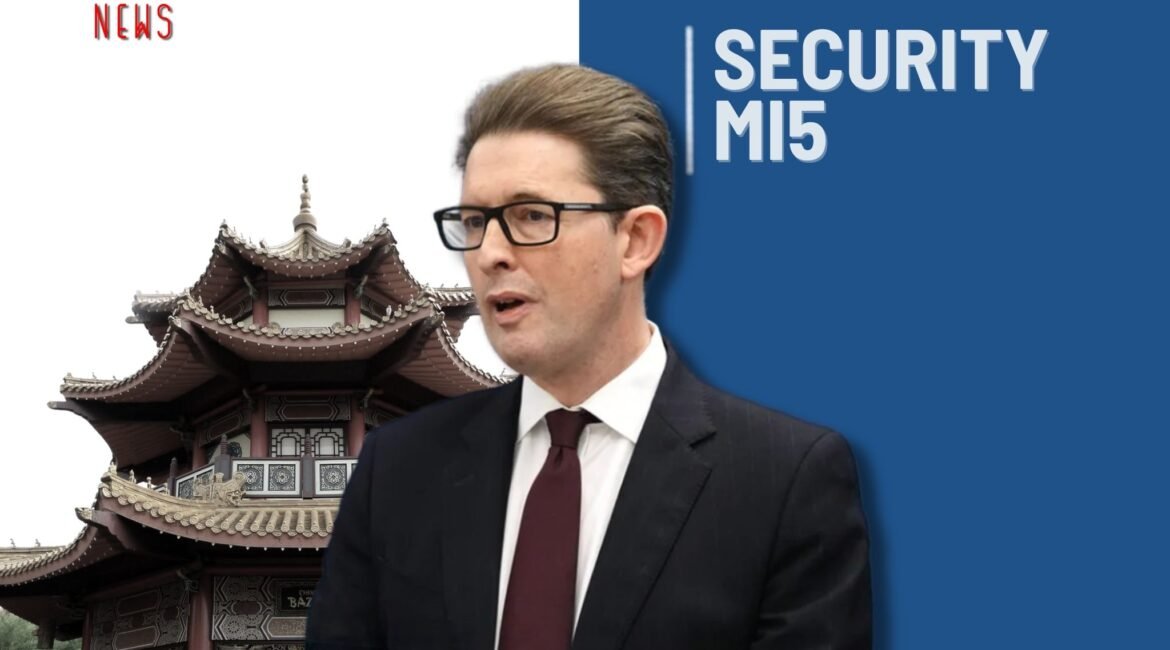
MI5 has for the first time published an open “espionage alert” accusing the China General Technology Research Institute (CGTRI), also known as the China Academy of General Technology, of acting in the interests of China’s Ministry of State Security. According to MI5, the institute has “very strong ties” to China’s...
Is Europe facing a fuel crisis
September 2026 greeted Europeans with a deceptive calm. The lights are still on in Paris, Berlin and Amsterdam, and officials insist that the worst energy shocks are behind them. Behind closed doors, however, analysts and energy-crisis staff are growing uneasy. Autumn is here, temperatures across Europe are sliding, and the...
Closing the “Russian House” did not dismantle Russia’s influence system in Germany
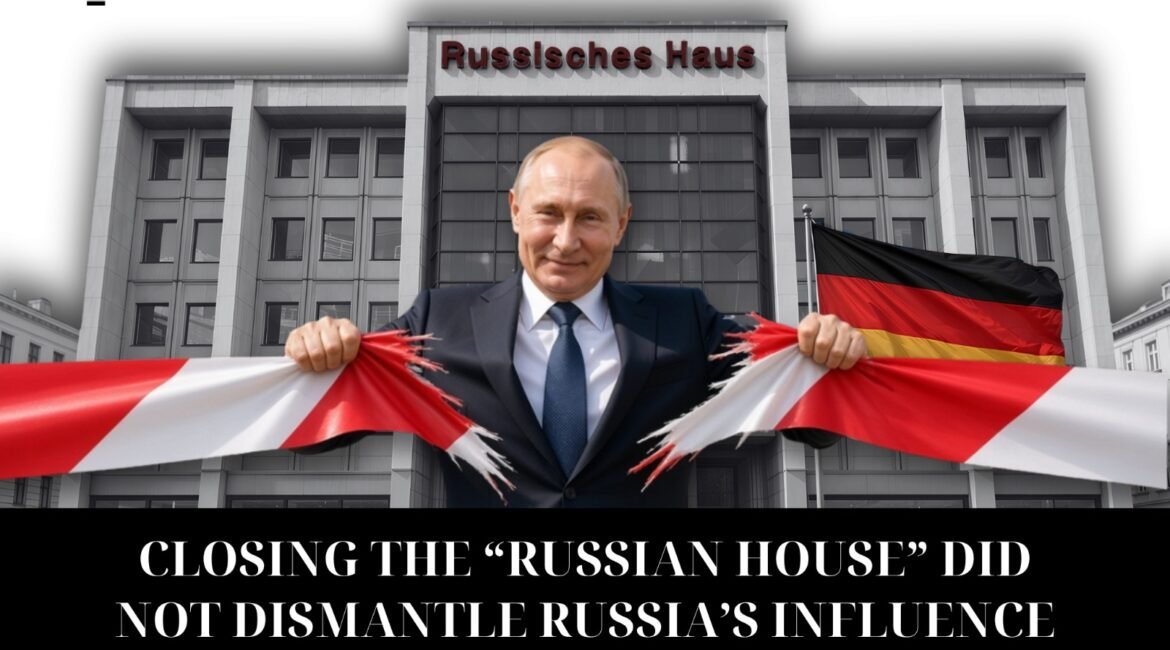
Russia uses the network of “Russian Houses,” which operate under the state agency Rossotrudnichestvo, not only to promote the language and culture but also to work with compatriots, shape a loyal information environment, and preserve political and social influence in the countries where it is present. Rossotrudnichestvo itself has been...
Raiffeisen’s Russian subsidiary handles contracts for suppliers to Russia’s defense industry
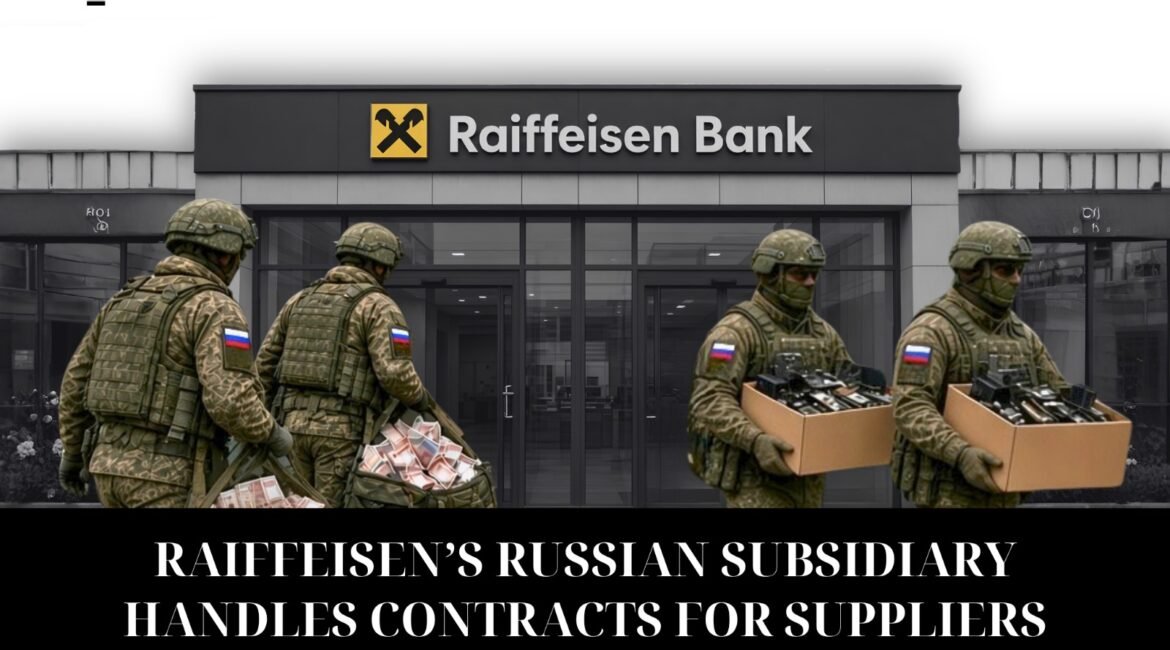
After Russia launched its full-scale war against Ukraine in 2022, Austria’s Raiffeisen Bank International (RBI) repeatedly promised to wind down its business in Russia and sell or spin off its Russian subsidiary. AO Raiffeisenbank still operates in the Russian Federation, however, and remains the largest Western bank on the Russian...
Shadows of the Third Reich in AfD politics
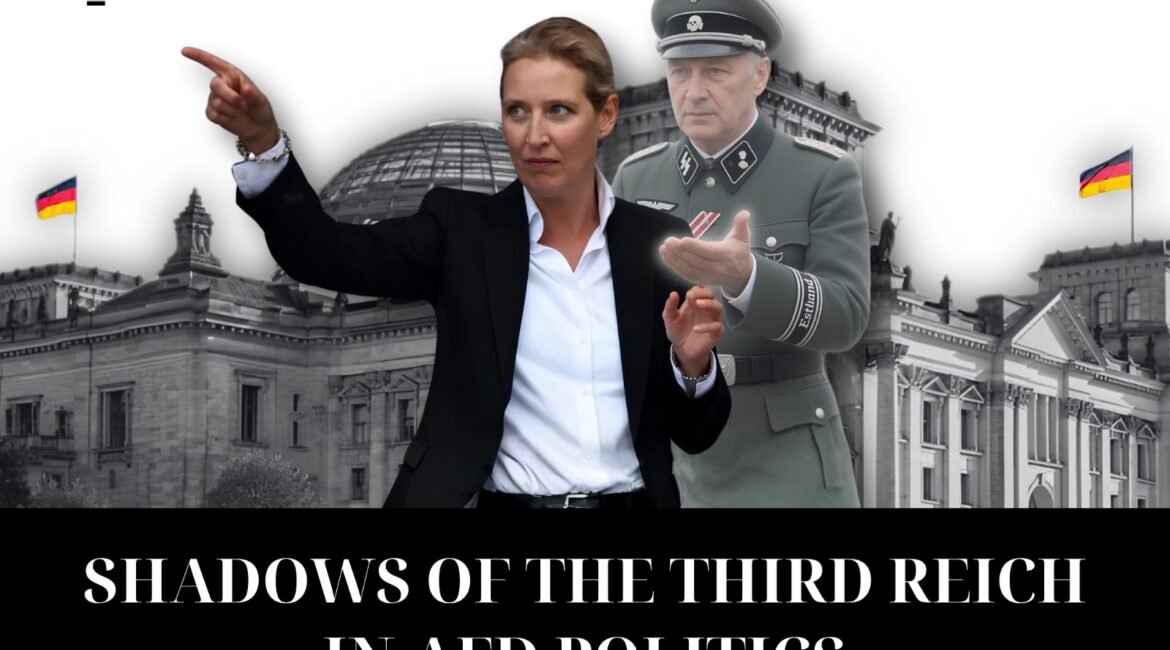
After Germany’s defeat in the Second World War in 1945, the country built its subsequent political system on the principle that a repeat of the political catastrophe of the Third Reich must be impossible. The new political order of the Federal Republic of Germany rested on recognition of and acceptance...
The EU’s private combat-training market has become a channel for Russia
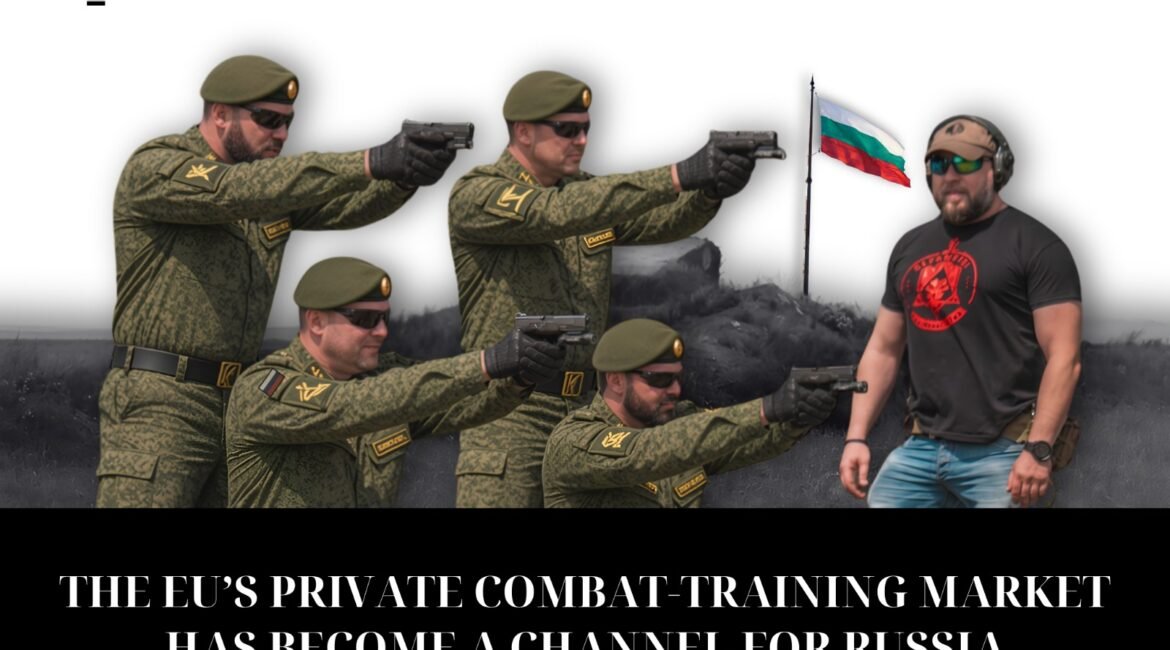
Despite having a developed combat school of its own, Russia and affiliated structures have already used foreign training sites in Europe to prepare people for coercive and combat tasks. One documented case came in 2024, when Moldovan law-enforcement agencies uncovered the recruitment and training of citizens at facilities in Serbia...
The Kremlin’s Disposable Agents in Europe
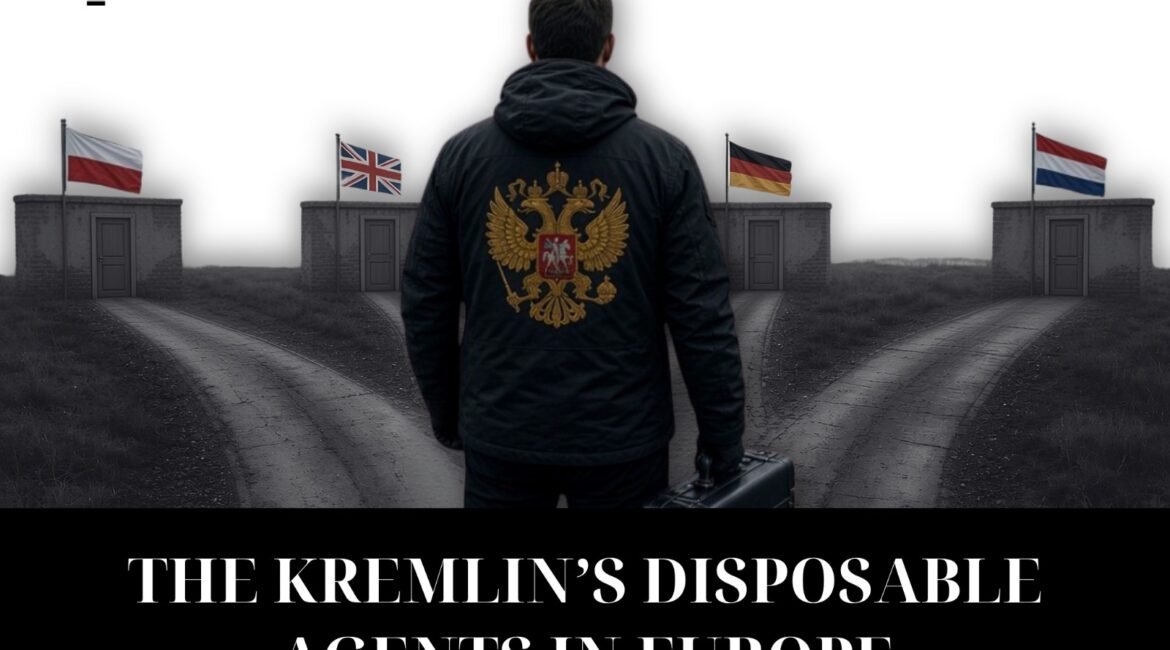
Russia’s hybrid aggression against Europe has intensified markedly in 2026, and one of its most dangerous strands is the expansion of sabotage. In recent months, European intelligence services have increasingly warned of Russian sabotage, the recruitment of operatives, and preparations for attacks on sites linked to support for Ukraine. The...
A tourist paradise for circumventing European sanctions

Tighter Western restrictions have not cut Russia off from dual-use technologies and sanctioned goods of European and American origin used in Russia’s defense industry. Having adapted to the sanctions, Moscow has widened the geography of supply through third countries — from traditional transit routes in Central Asia to tourist and...