
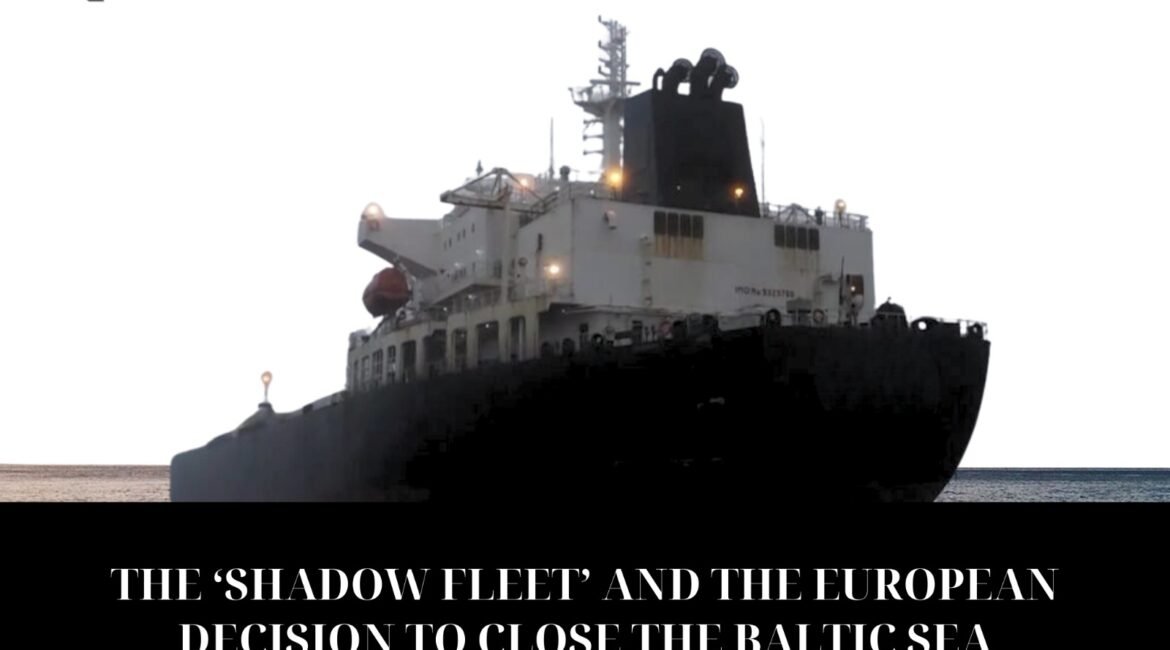
After Russia launched a full-scale war against Ukraine in February 2022, Europe and the G7 countries imposed extensive sanctions on the Kremlin's energy sector, including a ban on insurance, financial and service provision for Russian tankers transporting oil whose value exceeds the price cap. This restriction is intended to deprive...
Red notices: how Russia is trying to turn Interpol into a tool for political persecution
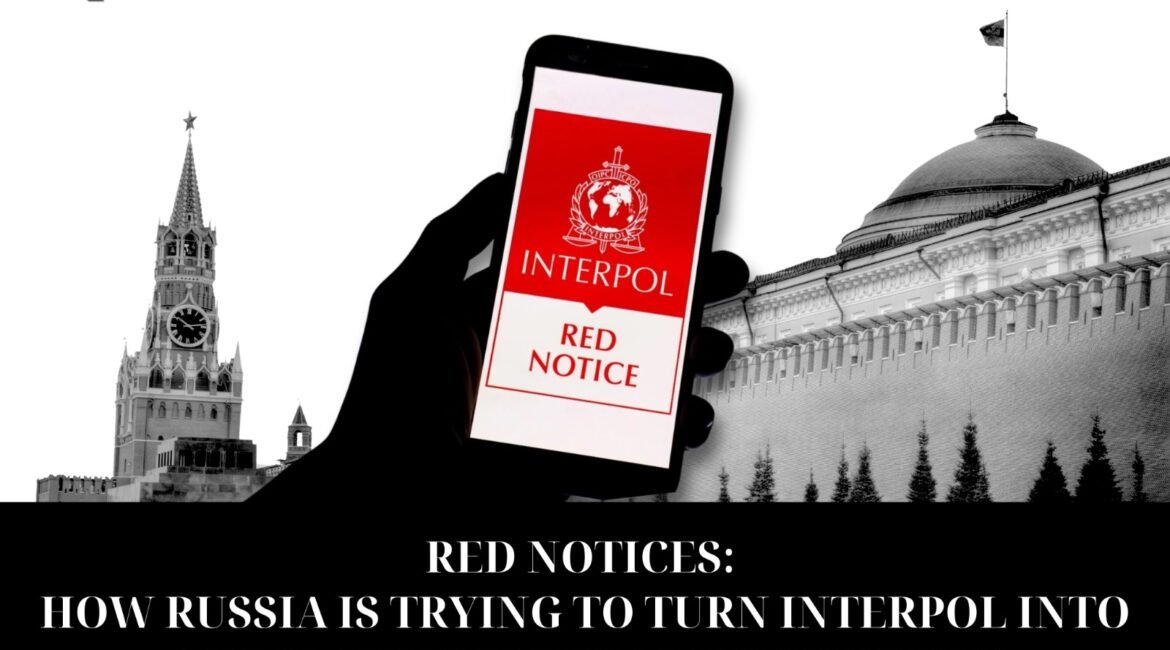
International police cooperation, carried out within the framework of Interpol, the largest international intergovernmental organisation, has fallen victim to dangerous political games. Thousands of documents obtained by the BBC and the French investigative agency Disclose from an informant within the International Criminal Police Organisation have revealed Russia's constant and systematic...
Moscow Transforms Oil Tankers into Platforms for Espionage and Infrastructure Attacks
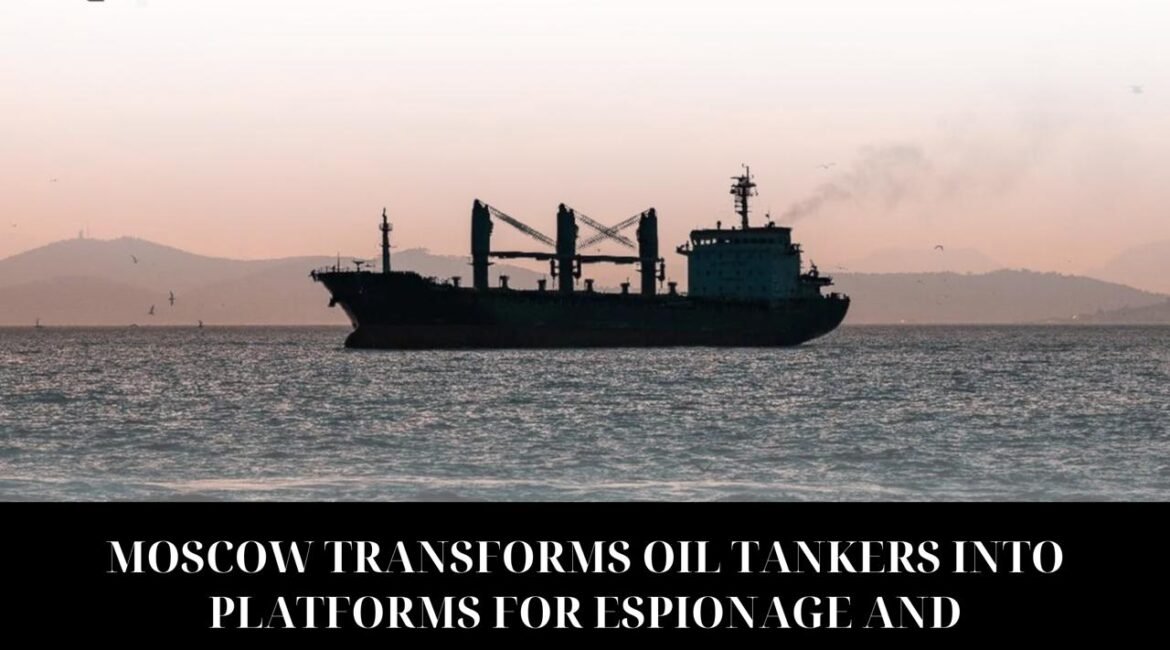
As “Maririme News” reported, Russia’s global “shadow fleet” entered a consolidation phase last month after months of expansion. The operational fleet carrying Russian oil grew by 16 vessels in a month and moved 337 million barrels of oil and petroleum products in October, with China and India remaining key demand...
Cyprus mysteries: the death of a diplomat and the disappearance of a businessman
In early January 2026, Cyprus found itself at the centre of two high-profile incidents involving diplomacy, intelligence, business and possible political consequences for relations with Russia. On 8 January, Anton Panov (sometimes referred to as Alexei in foreign sources), an employee of the Russian diplomatic mission, was found dead in...
An island that has become a stumbling block: Greenland between the US and Europe
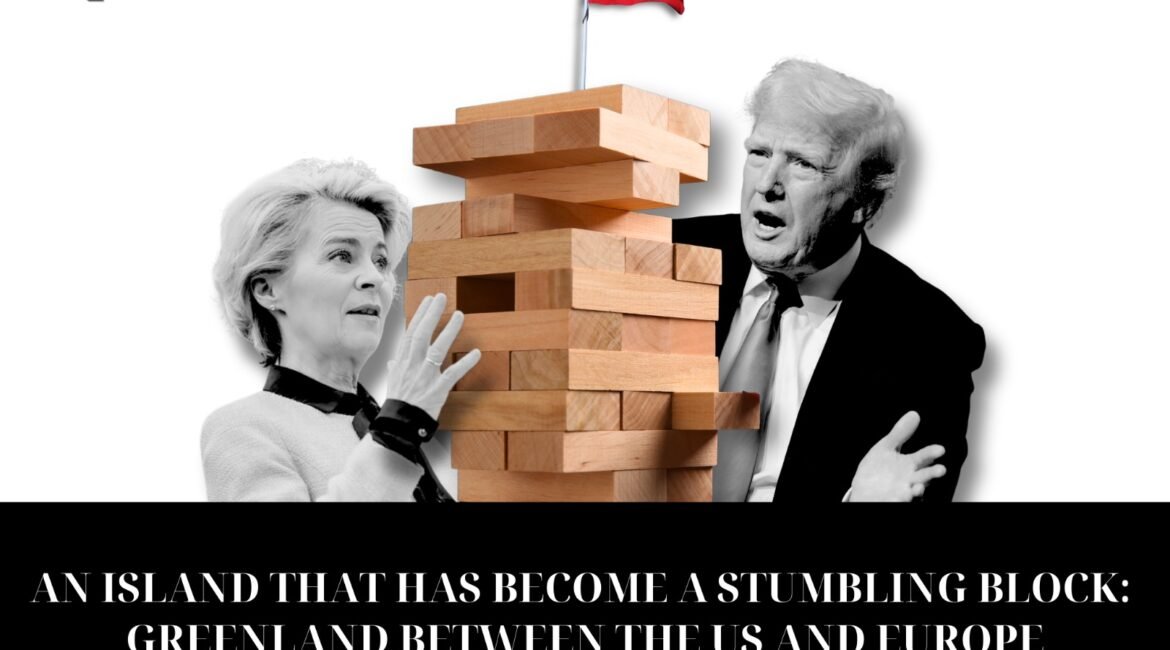
Greenland, which until recently was perceived as a remote Arctic territory with limited influence on world politics, has now become one of the key hubs of global geopolitical tension. The United States' heightened interest in the island has revealed not only the struggle for resources and security in the Arctic,...
The Havana Syndrome: invisible weapons and traces of the GRU
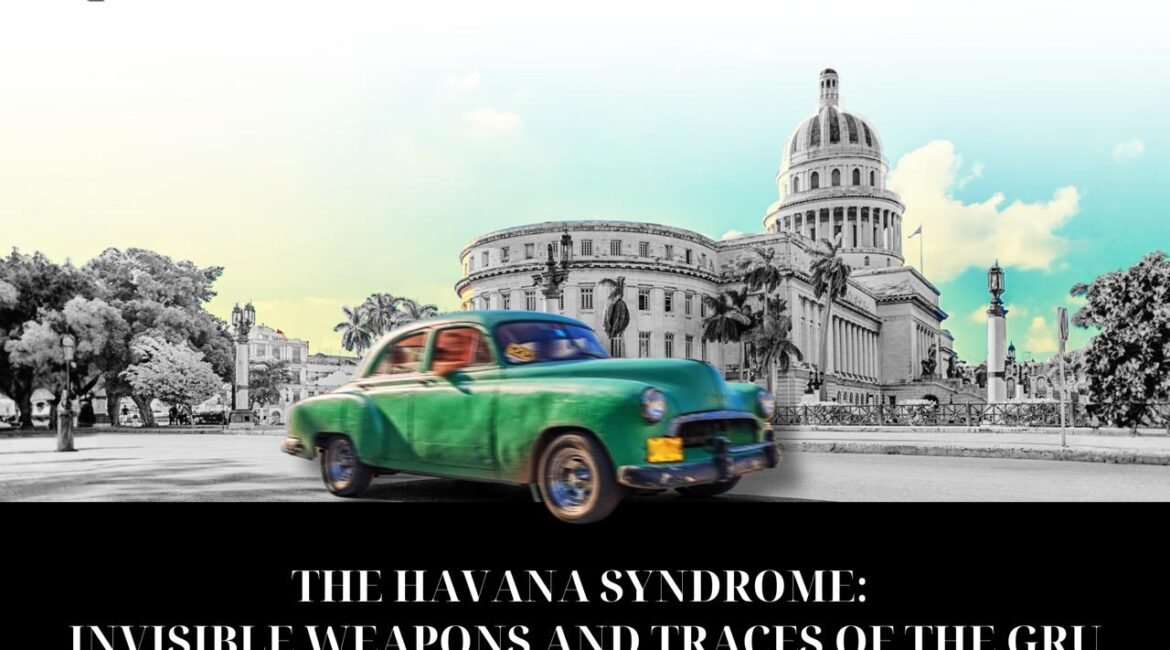
At the end of 2016, employees of the US Embassy in Havana began complaining of dizziness, nausea, headaches, and hearing problems. Some claimed that before their condition worsened, they heard piercing or low-frequency sounds, and the impact itself felt directed. Initially, these complaints were not taken seriously, but by 2017...
Political asylum within the EU: the case of Zbigniew Ziobro and the crisis of trust between Poland and Hungary
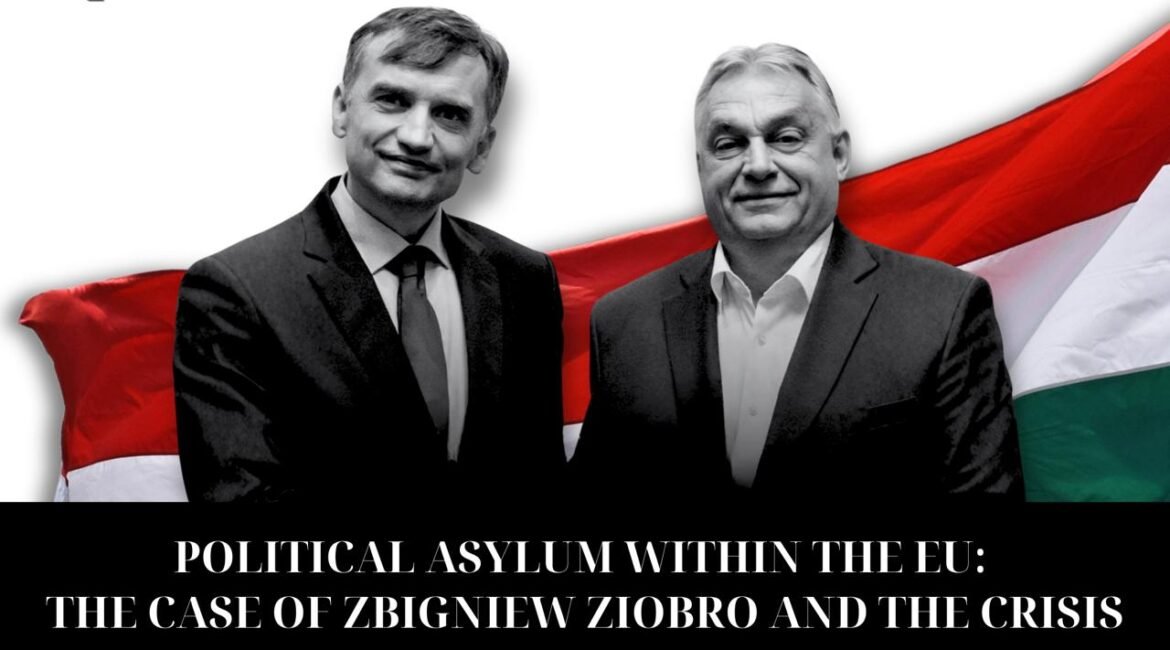
Hungary's decision to grant political asylum to former high-ranking Polish officials has become one of the most resonant episodes in relations between the two countries in recent times. We are not talking about dissidents or marginal figures, but about key representatives of the former Polish government, people who until recently...
Patrick Egan and his English-language media network: Orbán’s soft power

Patrick Egan is increasingly mentioned in analytical and expert circles as one of the most prominent and controversial figures in the English-language media space in Central and Eastern Europe. An American media strategist and graduate of the University of Oregon and the Fletcher School of Law and Diplomacy (Tufts University),...
Blackout in Berlin: why radical left-wing movements are gaining strength in Europe
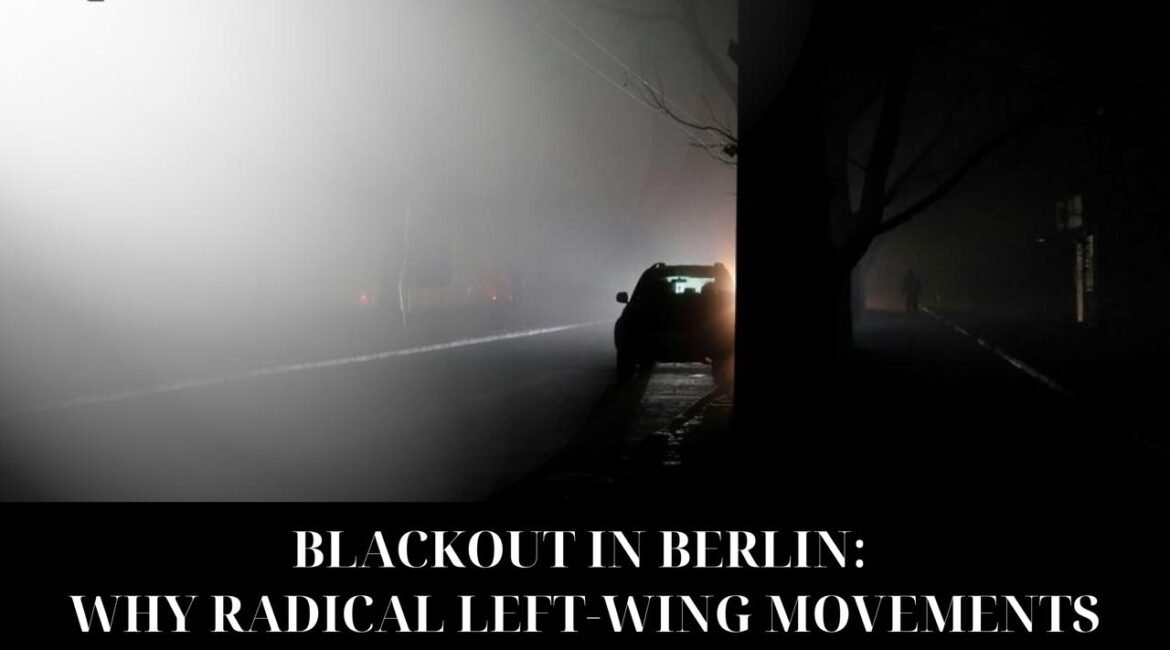
The beginning of 2026 was an alarming sign of a new phase of radicalism for Europe. The attack on Berlin's energy infrastructure, which led to a large-scale blackout, clearly demonstrated that left-wing radical extremism, long considered a minor threat, had moved from local actions to strikes capable of disrupting the...
Russia’s shadow fleet and the threat to the Black Sea

On December 15, 2024, a major environmental disaster occurred in the Black Sea, near the Kerch Strait. During a severe storm, the Russian oil tanker Volgoneft-212 broke apart and sank. The vessel Volgoneft-239 also suffered critical damage and was washed ashore. Both tankers were carrying heavy fuel oil. These vessels,...