
Due to the effectiveness of the sanctions regime imposed by Western countries on the Russian Federation for its aggressive and destructive foreign policy, the Russian economy loses billions of dollars in revenue every month. Despite this, Russia continues to receive tens of billions of dollars in profits every month from...
Orban vs the West: Hungary’s Road to Moscow
With each passing year of Viktor Orbán’s premiership, Hungary is drifting further from the core values of the European Union and edging closer to a role no longer of partnership, but of internal opposition. What was once a cooperative EU member state is now a self-declared dissident, cloaking its actions...
Silent Swiss bank accounts of the European elite and Loud Scandals: money disappears
In our world, where people struggle daily for a better place under the sun—earning a living and climbing the social ladder—leisure time has become a luxury. And if one manages to save up for pleasure, they prefer to enjoy it quietly, far from the hustle and bustle. There’s a vast...
Corruption in defense equipment procurement in the Czech Republic and Slovenia
Corruption in Defense Equipment Procurement in the Czech Republic and Slovenia We dare to claim that nothing stimulates the development of the military-industrial complex and the arms trade (both sales and purchases) quite like the threat of an impending war. A vivid example of this can be observed today, as...
Silent erosion: The Russian influence reshaping Moldova from within
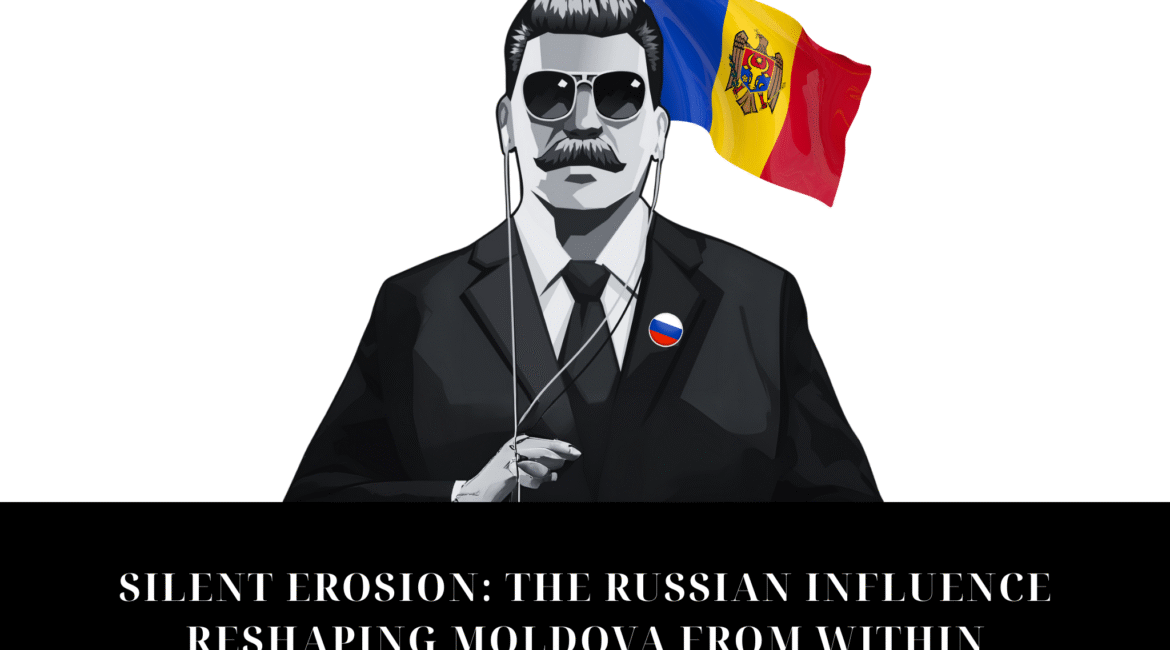
In today’s geopolitical chessboard, the Kremlin is investing less in tanks—and more in televisions, churches, and contraband. Moldova, a fragile democracy teetering between reform and destabilization, has become a testing ground for a new model of Russian influence. In this model, formal state institutions are gradually eroded, while an alternative...
The Italian mafia in Europe: how organized crime infiltrates EU Institutions
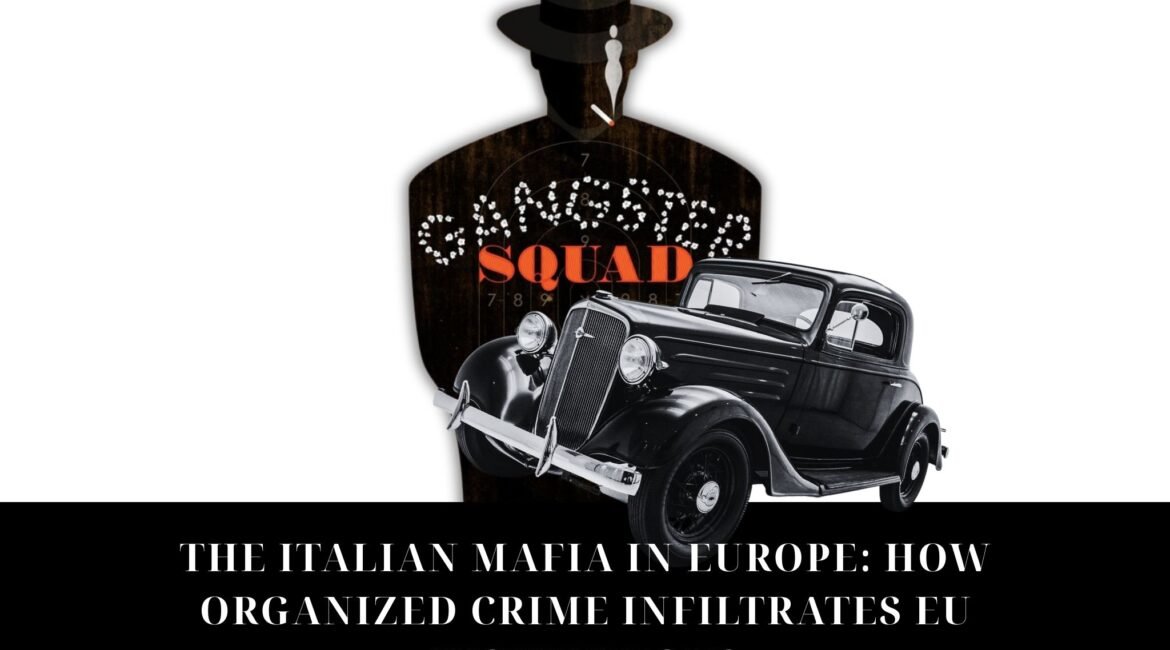
When we think of the mafia, we often picture violent gangs engaged in drug smuggling, arms trafficking, illicit alcohol and tobacco trades, contract killings, prostitution rings, robberies, illegal gambling, car theft, and extortion. Yet this is only a fraction of the "specializations" pursued by mafia groups around the globe—each with...
Cyprus front: how “Golden Passports” continue to feed corrupt elites

It is no secret that numerous countries worldwide offer citizenship or at least a pathway to citizenship in exchange for financial contributions positioned as investments in the economic development of the respective state. Despite the substantial sums involved—often reaching millions—there is no shortage of individuals seeking to obtain the coveted...
Attack from the Shadows: how Russia wages war in cyberspace

This week ended with several European countries announcing that Russia had either carried out or attempted to carry out hacker attacks on critical EU state infrastructure. The statement from the EU’s High Representative for Foreign Affairs, Kaja Kallas, on July 18, 2025, sounded the alarm: Russia is systematically attacking Europe—across...
Hungarian-Russian cooperation in the energy sector

https://www.youtube.com/watch?v=Vzfn2r2Cb5U&t=76s Hungarian-Russian cooperation in the energy sector is not a coincidence—it reflects a deepening political and economic dependence of Hungary’s leadership on Russian interests. At the heart of this relationship is not just geopolitical alignment, but a network of influence that implicates top officials in Viktor Orbán’s government, notably Hungary’s...
Russia’s Shadow Fleet

Despite numerous international sanctions against the Russian Federation, the Kremlin continues to freely generate significant profits from oil sales. Billions of euros flow into the Russian budget annually, supporting the aggressor state under economic pressure. These substantial revenues are made possible through the use of a so-called "shadow fleet" –...