
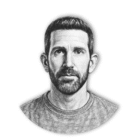
The news that Torbjörn Törnqvist, the long-standing principal shareholder of oil and gas company Gunvor, is selling 100% of his stake and stepping down from all positions is, in fact, yet another scheme to take the company into the shadows and an attempt to hide the real beneficiaries behind a new corporate structure.
The fact is that in November 2025, Gunvor found itself at the center of international attention due to plans to acquire foreign assets of Russia’s Lukoil, which was subject to US sanctions. The deal involved the sale of a package of assets that included oil refineries in EU countries, a network of gas stations, and other facilities outside Russia. The deal was valued at $22 billion, but the US Treasury Department said it would not consider approving it, calling Gunvor a “puppet of the Kremlin,” and it was after this that the company announced a “final reboot” and Thörnqvist’s departure from the business.
Gunvor presents the new ownership structure as a step towards “renewal.” According to official statements, 60 top managers and key employees have become new shareholders in the group, and control is no longer concentrated in the hands of a single owner. Gary Pedersen, who previously headed the company’s trading division in the US and worked for a hedge fund specializing in petroleum products, has been appointed CEO.
At first glance, everything appears to be legal, but considering the company’s history, this “reboot” looks like an attempt to conceal the real beneficiaries. Gunvor was founded in the late 1990s by Swedish businessman Torbjörn Törnqvist and Russian businessman Gennady Timchenko, who is considered one of Putin’s closest oligarchs. It was thanks to his connections that Gunvor gained access to Russian oil, pipeline infrastructure, and contracts with Transneft, as a result of which the company ended up controlling significant volumes of its exports.
By 2007–2008, Gunvor controlled up to 30% of Russian oil exports by sea, trading 80–90 million tons per year, mainly to Europe, which generated tens of billions of dollars in annual turnover and made the company one of the main channels for monetizing Russian oil in the West. Gunvor’s turnover in those years ranged from $40 billion to $60–70 billion per year, and the lion’s share of these amounts was directly related to the export of Russian oil and petroleum products. Subsequently, trade volumes continued to grow, and in 2024, Gunvor sold 232 million tons of crude oil and petroleum products, equivalent to 4.6 million barrels per day, with annual revenues reaching $136 billion.
In 2014, after Russia annexed Crimea, Gennady Timchenko was added to the US sanctions list, but the day before, he sold his stake in Gunvor to Torbjörn Törnqvist. This move allowed the company to escape the direct impact of the restrictions imposed on Timchenko. A public statement by the US Treasury Department on this matter noted that “Putin has investments in Gunvor and may have access to Gunvor’s funds,” which placed the trader in a separate category of entities associated not only with the Russian state but also with the personal interests of the Russian president. After that, a number of Western media outlets and investigators began to describe Gunvor as one of “Putin’s wallets” — a company through which revenues from Russian oil exports were withdrawn and accumulated.
After Tymchenko left the company’s shareholders, it continued to work with Russian oil, and control over it was effectively concentrated in the hands of a single Swedish shareholder with ties to the Kremlin, Torbjörn Törnqvist. The current sale of his shares largely repeats the 2014 scheme: Thörnqvist disappears from the register of shareholders, but the business model and informal ties with the Kremlin remain the same.
It is also important to note that Torbjörn Törnqvist is married to Russian citizen Natalia Törnqvist. Their family owns a house in Rublyovka and regularly visits Russia. Top managers of major Russian oil and gas companies Surgutneftegaz and Gazprom also live in this elite village. Rublyovka is a closed environment for Russian political and business elites, where sensitive issues are resolved and informal agreements are made, and the presence of real estate there belonging to the beneficiary of a global oil trader is no coincidence.
The company’s history of corruption is also systemic. In 2019, Swiss prosecutors found Gunvor involved in corruption schemes in the Republic of Congo and Côte d’Ivoire. The company agreed to pay significant fines and forfeit its profits. Human rights organizations that investigated these events described a “prepayment” scheme for access to resources, under which officials received bribes and the trader received privileged conditions for working with state-owned companies. Similar schemes have been documented in other countries, including Ecuador, where Gunvor also agreed to large payments as part of a settlement of bribery cases. In Switzerland, the company was ordered to pay approximately $95 million in fines and confiscated revenues for corruption schemes in Congo and Côte d’Ivoire, and in 2024, Gunvor agreed to pay more than $660 million in the US and Switzerland as part of a case involving bribes to Petroecuador officials, after which it separately paid another $93.6 million to the Ecuadorian budget.
The details of the repurchase of Thörnqvist’s shares also indicate the use of questionable schemes, whereby new shareholders will not purchase them immediately, but will make payments over a long period of time, using loans and deferred payments. This means that the new management will be dependent on the previous owner and that he will retain effective control over the company, even though his name no longer appears in the public register of shareholders.
The Gunvor case is indicative, clearly demonstrating that Russian capital and related groups are trying to adapt to the new reality of sanctions not only through the use of small “gray” traders, but also through a profound restructuring of major players. Yes, the company’s management will change, but the real beneficiaries and operating schemes will remain. Gunvor is a company that is under the influence of the Kremlin and integrated into its schemes, regardless of whether Thörnqvist leaves the shareholder structure or not, just as it happened earlier in the situation with Timchenko, and will continue to be one of Putin’s key “wallets.”