
Roberto Vannacci is a relatively new but ambitious figure in Italian politics. A former soldier, now a member of the European Parliament and leader of the Futuro Nazionale party, he aims to head the far-right flank, promises to restore Italy’s supposedly lost sovereignty, criticizes the EU and NATO, and calls...
Why Fico’s Slovakia is slowing Euro-Atlantic unity
After Robert Fico became prime minister for the fourth time in 2023, Slovakia reversed its foreign policy and shifted markedly toward closer ties with Russia. His government is now one of the main opponents of the EU’s hard line on the Kremlin. That shows up in attempts to block or...
How Croatia became Europe’s dumping ground for toxic waste
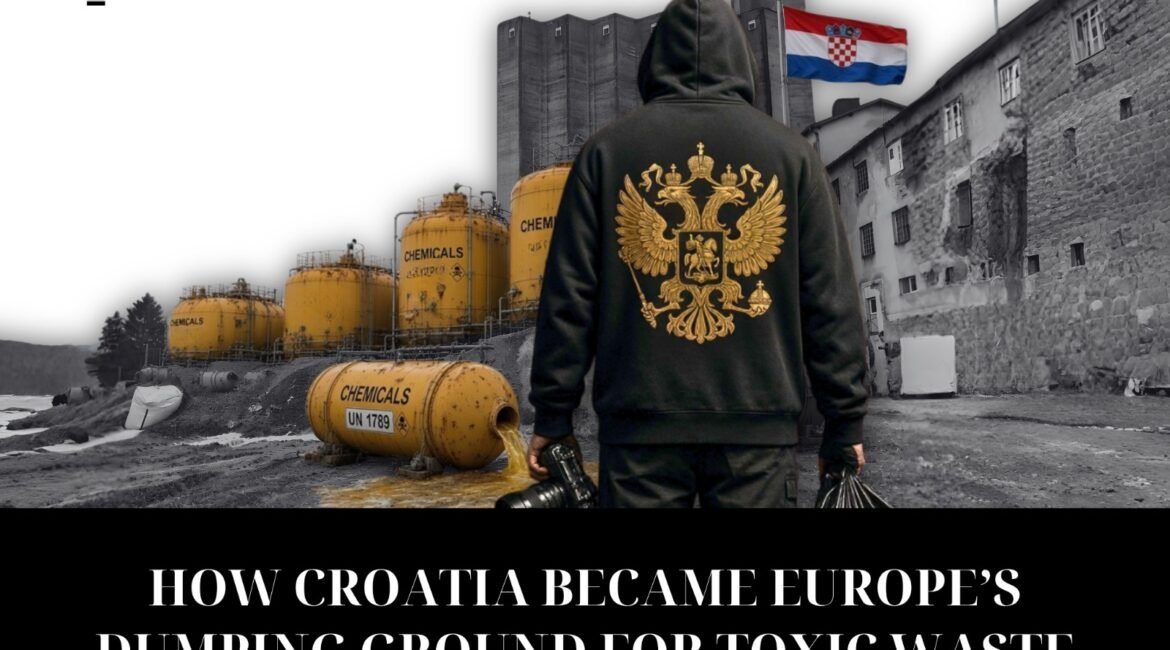
Not far from the centre of the Croatian town of Gospić, in the historic region of Lika, stands the grim industrial complex of the former company PPK Velebit. Here, at the foot of the mountains, in a region known for its national parks and clean rivers, the morning air no...
The Kremlin tests NATO response by attacking border checkpoints in Western Ukraine
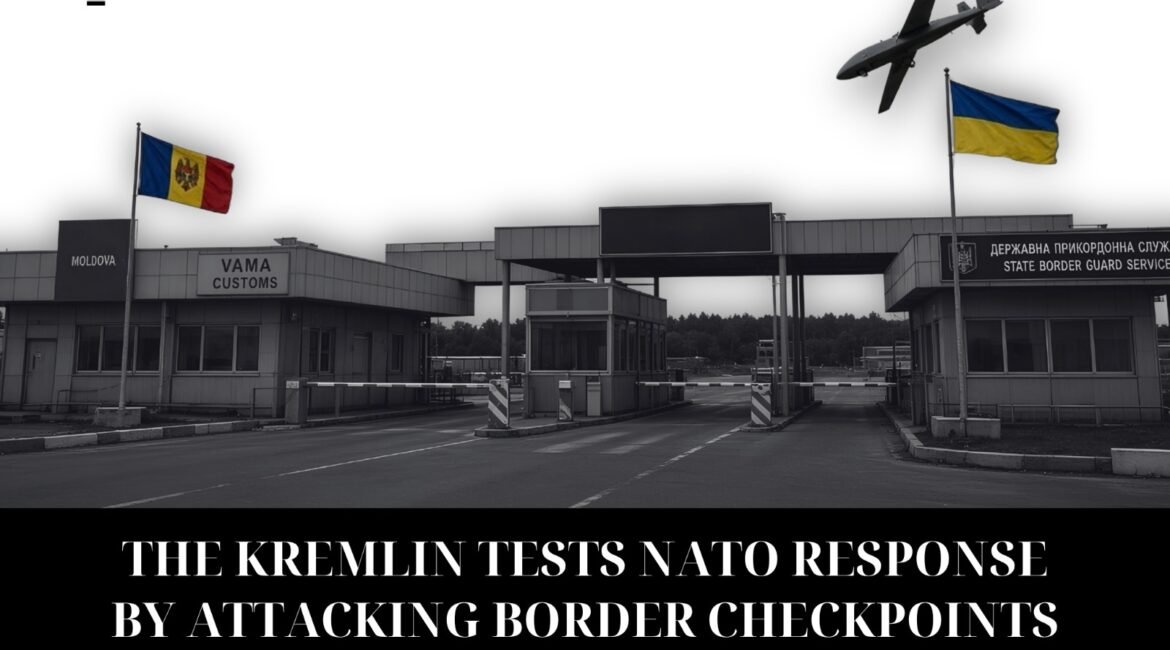
On the night of 9 September 2026, the silence on the Ukrainian Moldovan border was torn apart by the roar of several Russian Geran-type drones attacking the Starokozache international checkpoint in Odesa region. The raid killed two civilians and wounded three others. Border terminals were destroyed, and a passenger bus,...
Pro-Russian media in Slovakia and the Czech Republic disguise Kremlin narratives as internal EU criticism
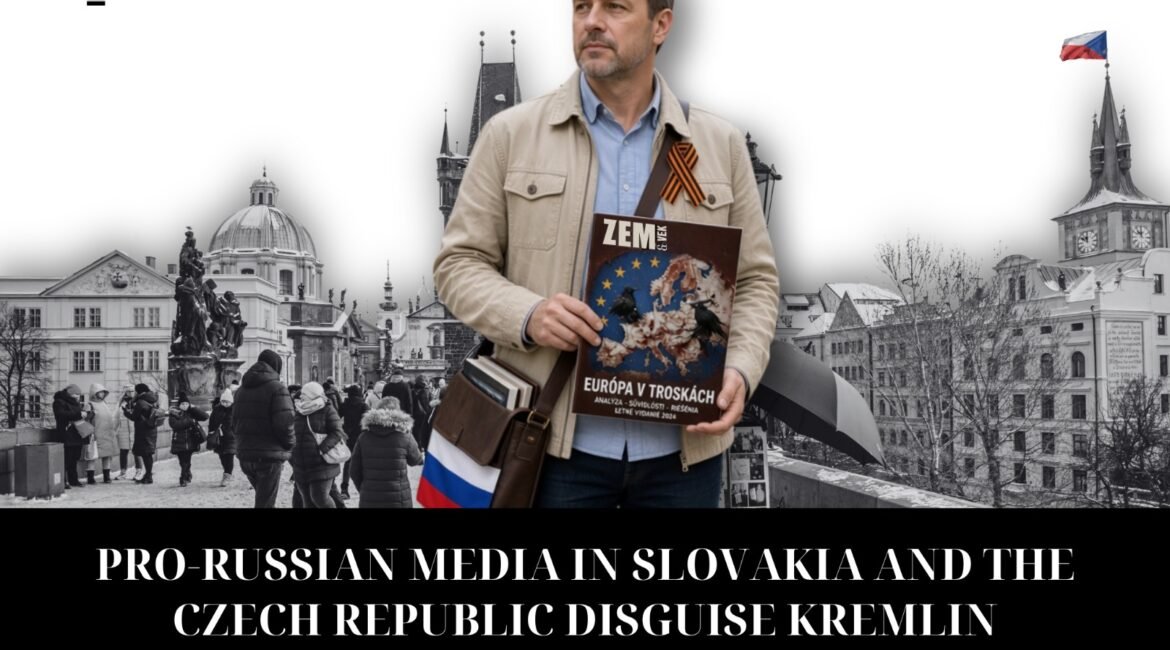
Against the backdrop of a renewed EU debate on extending anti-Russian sanctions, some Slovak and Czech pro-Russian media outlets have begun promoting more aggressively the idea that further support for Ukraine is pointless and should be reduced. Zem&Vek and Pravý Prostor stood out in particular. The Slovak outlet framed the...
The Graham Act and U.S. sanctions that could hit Europe
On September 16, 2026, the U.S. House of Representatives passed, by a vote of 262 to 159, a bipartisan measure officially titled the Lindsey O. Graham Sanctioning Russia and Iran Act of 2026 (H.R. 5334 / S. 5025). A month earlier, on August 7, 2026, the Senate approved the bill...
What France’s ultimatum over Usmanov means for EU policy
In mid-September 2026, the European Union came close to a serious breakdown in one of its main instruments of pressure on Russia. Personal sanctions against roughly 2,500–3,000 Russian individuals and companies, imposed after the start of the full-scale invasion of Ukraine, were due to be renewed on 15 September. Instead,...
Hungary and Slovakia became a convenient platform for Russian intelligence inside NATO

Hungary and Slovakia are of significant interest to the Kremlin because of their EU and NATO membership. The long tenure of political forces that built close ties with Moscow created favorable conditions for expanding Russian influence. Through loyal political elites, economic links, information platforms and agent networks, the Kremlin gained...
Russia expands its cyber war against Europe

From 24 to 26 August, Norway’s government digitalisation agency Digdir fended off a cyberattack that Norwegian officials described as the largest in recent months. The attack disrupted logins through ID-porten to dozens of government services, including MinID, Altinn and E-innsyn. According to Norwegian media, Digdir documents were also among the...
Russia is stepping up hybrid influence over the EU election cycle
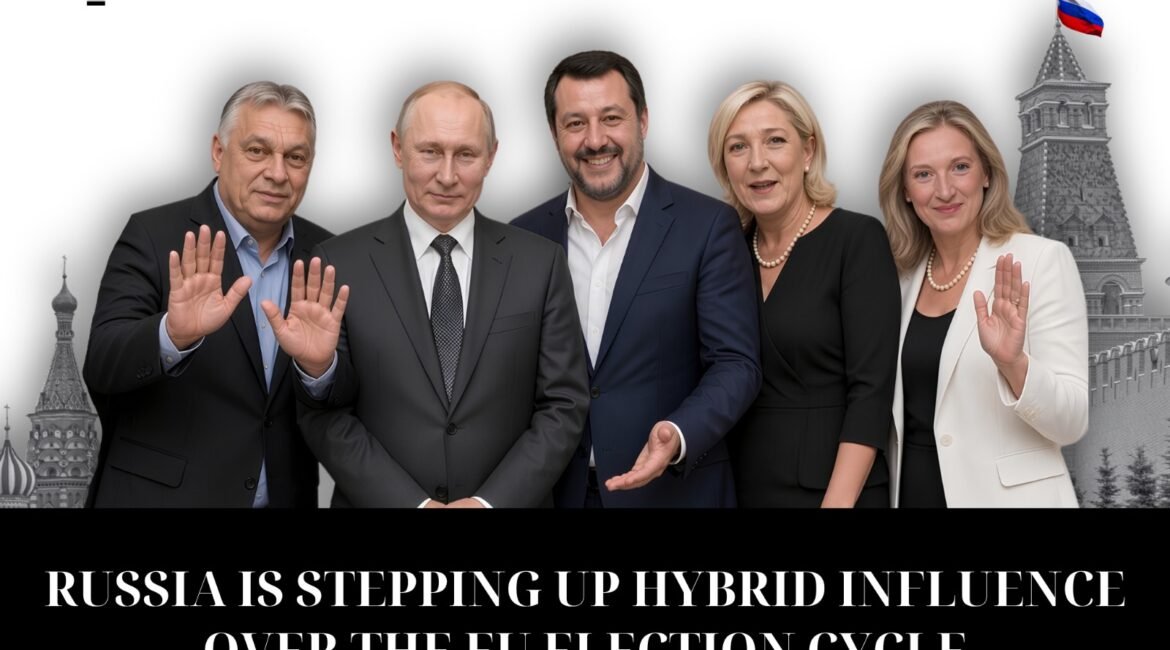
The autumn 2026 election cycle gives Russia an opportunity to influence political processes in several EU countries at once — Germany, Sweden, Latvia and Bulgaria. The Kremlin has long used information-psychological operations to affect elections. Its core goal remains unchanged: to shape a favorable information environment for loyal politicians and...