
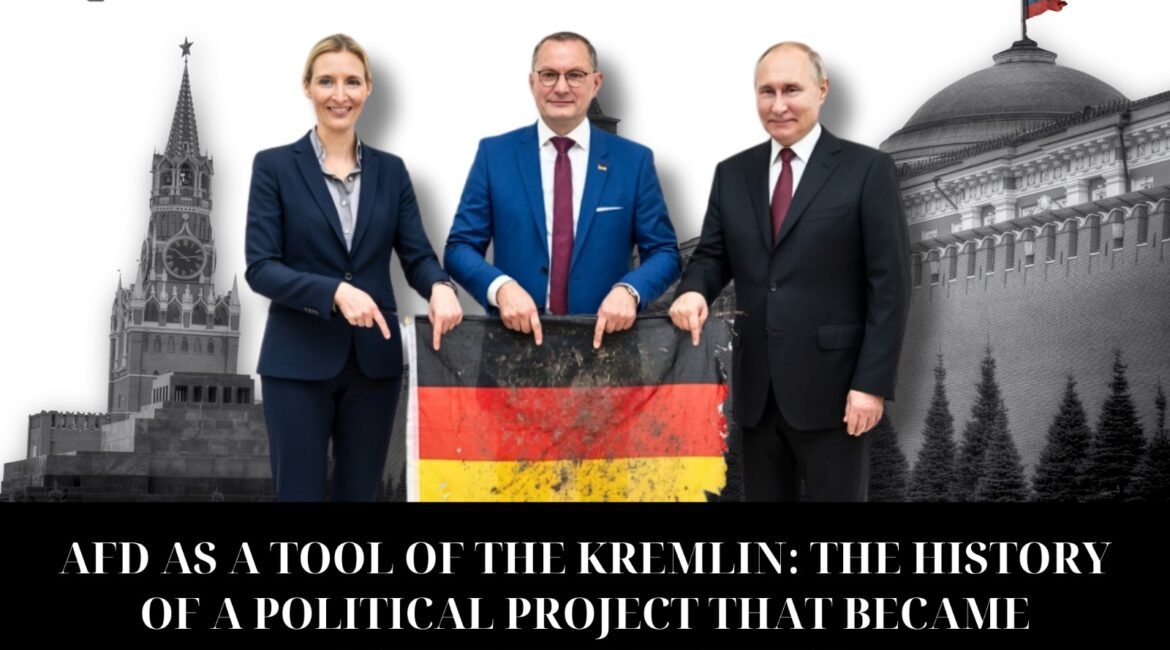
Alternative for Germany (AfD) emerged in 2013 as a response by conservative German elites to the eurozone crisis, uniting citizens who opposed financial bailouts for weak Southern European economies and demanded fundamental EU reforms. The party's ideological affinity for Russia became apparent almost immediately after its founding, when one of...
How EU agricultural subsidies became the source of a political crisis in Greece
The scandal surrounding European Union agricultural subsidies in Greece, which erupted in 2025–2026, proved to be a symptom of corruption problems at both the national and pan-European levels. The roots of the problem stretch back to the previous decade, but the critical phase fell between 2016 and 2023. It was...
Neutrality as a trap — the Austrian price of Russian espionage
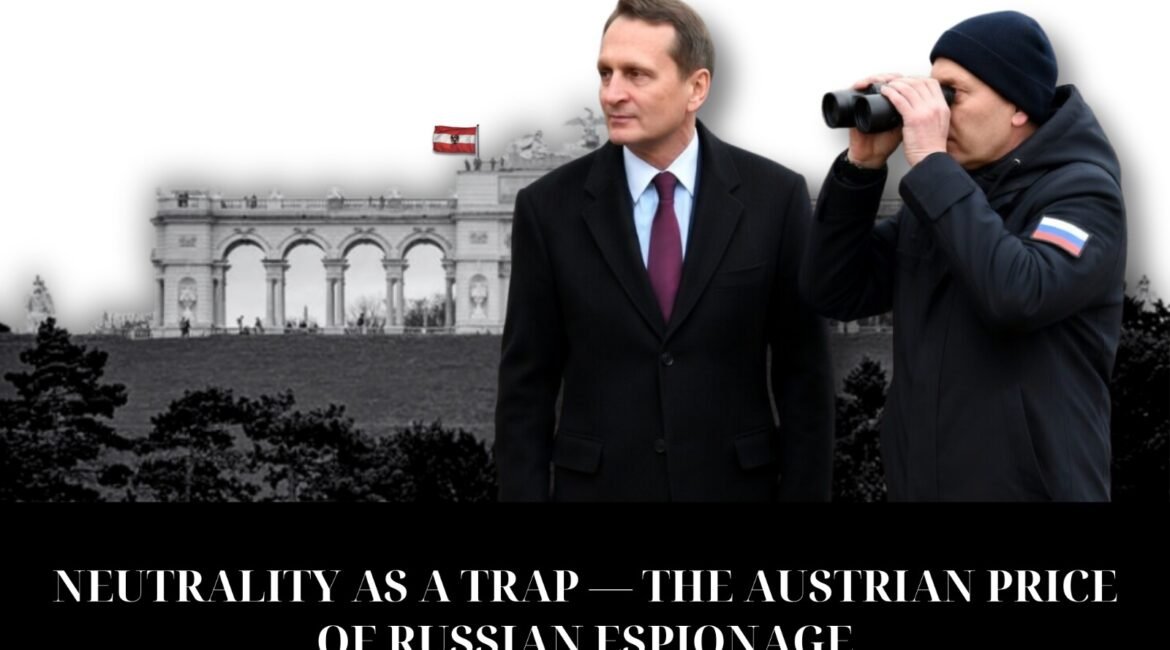
Over recent years, Austria has firmly established itself as a hub for Russian intelligence services in the very heart of Europe, transforming Vienna into a logistical and coordination center for their operations. The Austrian authorities' lenient attitude toward Russia and the absence of strict oversight of its spies backfired badly...
AfD turns parliamentary inquiries into legal espionage for the Kremlin
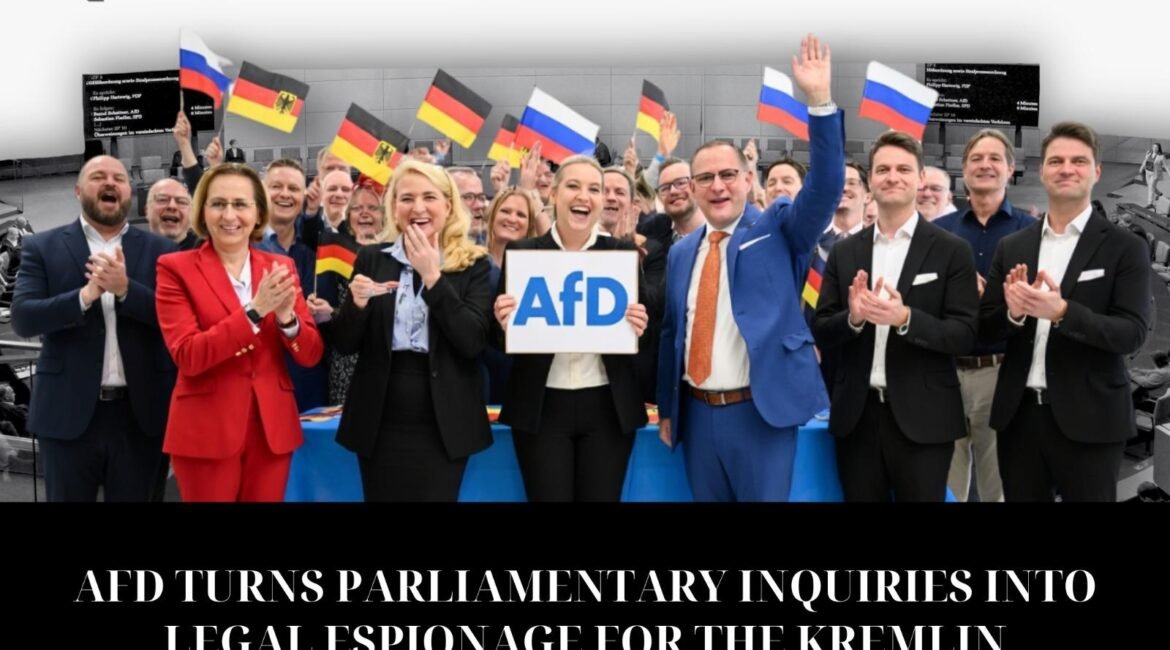
The phenomenon of "Alternative for Germany" (AfD) lies in its rapid transformation from a party of Eurosceptic intellectuals into a radical populist force that exploited Germany's identity crisis, migration, and economic problems to boost its ratings. It became the first right-wing radical party in post-war German history to not only...
The Mogherini corruption case becomes a test for the EU
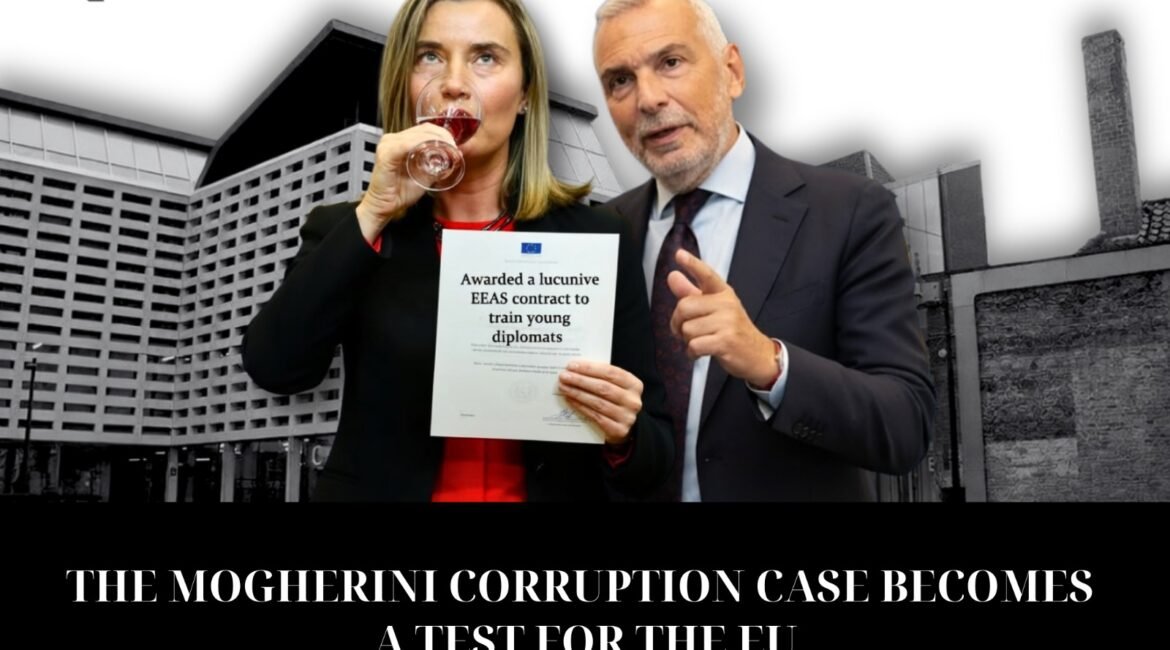
Corruption scandals in the European Union occasionally reach the very top of its officialdom, and one of the most telling examples is the case against Federica Mogherini. The investigation, launched in Belgium in December 2025, directly implicated a figure of the highest standing — the former EU High Representative for...
Lukashenko’s gambit — prisoners for sanctions
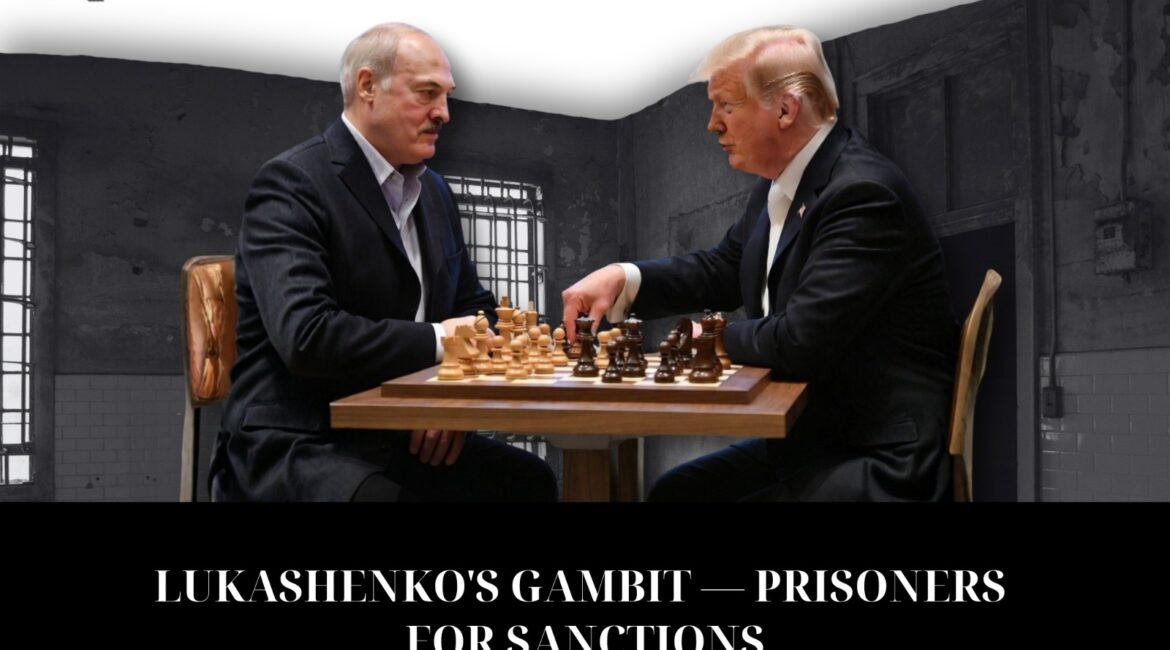
The history of US and EU sanctions against Belarus has traveled a long road — from targeted, situational restrictions over human rights violations to a full-scale economic and political blockade. The Belarusian regime faced its harshest sanctions over the systematic falsification of presidential elections. The forced landing of a Ryanair...
The dependence of European far-right groups on external funding is greater than it appears
The rise in popularity of far-right parties in Europe has always been accompanied by questions about the transparency of their funding sources and the extent of their dependence on foreign influence. One of the least transparent and most difficult to trace methods of financing is cryptocurrency, as it allows entities...
The anti-corruption boomerang for Albania’s government
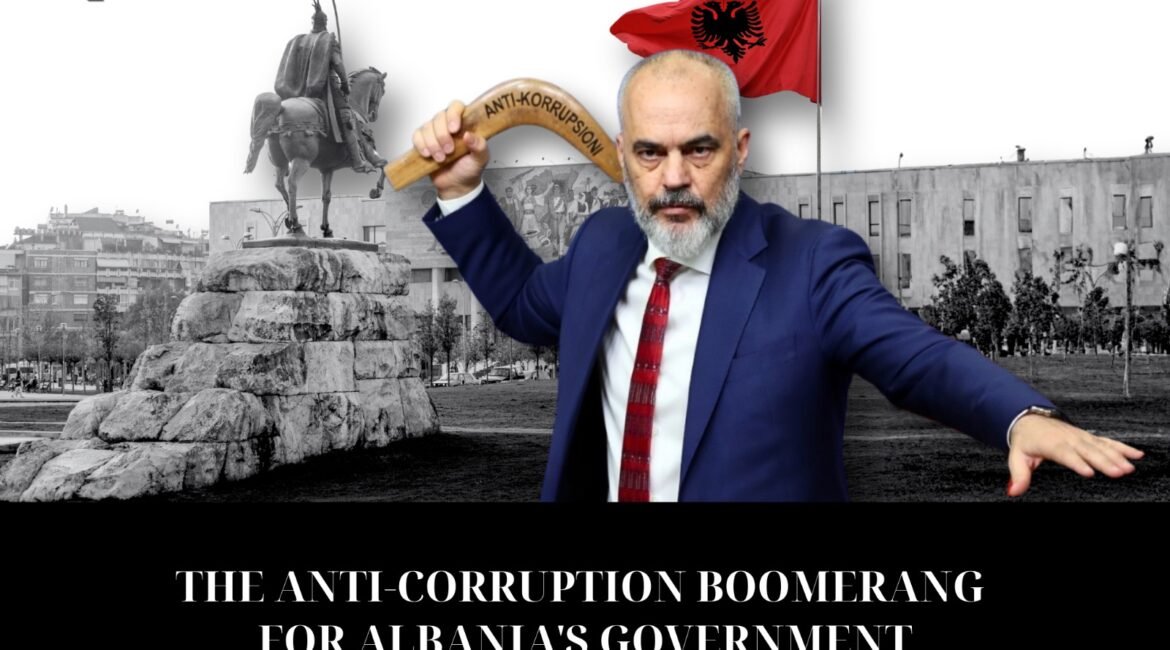
Albania had long been regarded by the European Union as one of the most promising accession candidates. The motivation was a sweeping judicial reform and the creation in 2019 of a specialized anti-corruption body, SPAK, designed to combat corruption at the highest levels. However, several years on, this very instrument...
Vienna as a Center of Russian Radio-Electronic Espionage in Europe
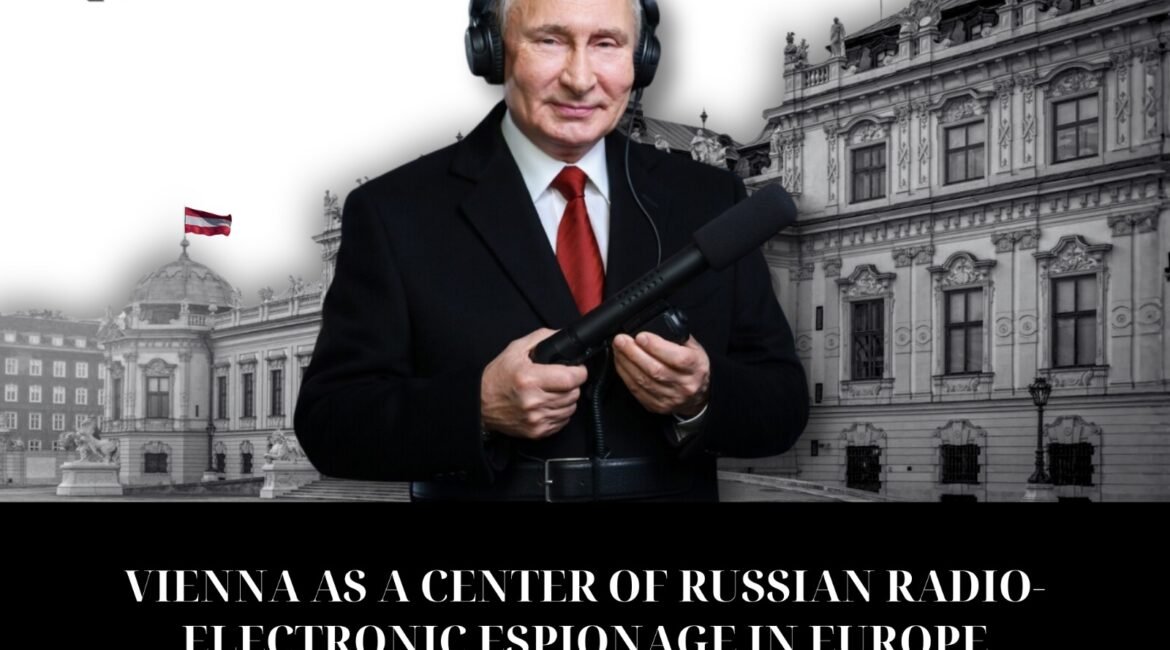
Analysis of satellite imagery, along with assessments from Western intelligence officials, indicates that Russia is using Austria as its primary hub for intercepting NATO and international organization communications, with European intelligence services describing Vienna as the largest center of Russian intelligence activity in the West. According to an investigation by...
Large-scale modernization of EU armies as a response to modern hybrid threats
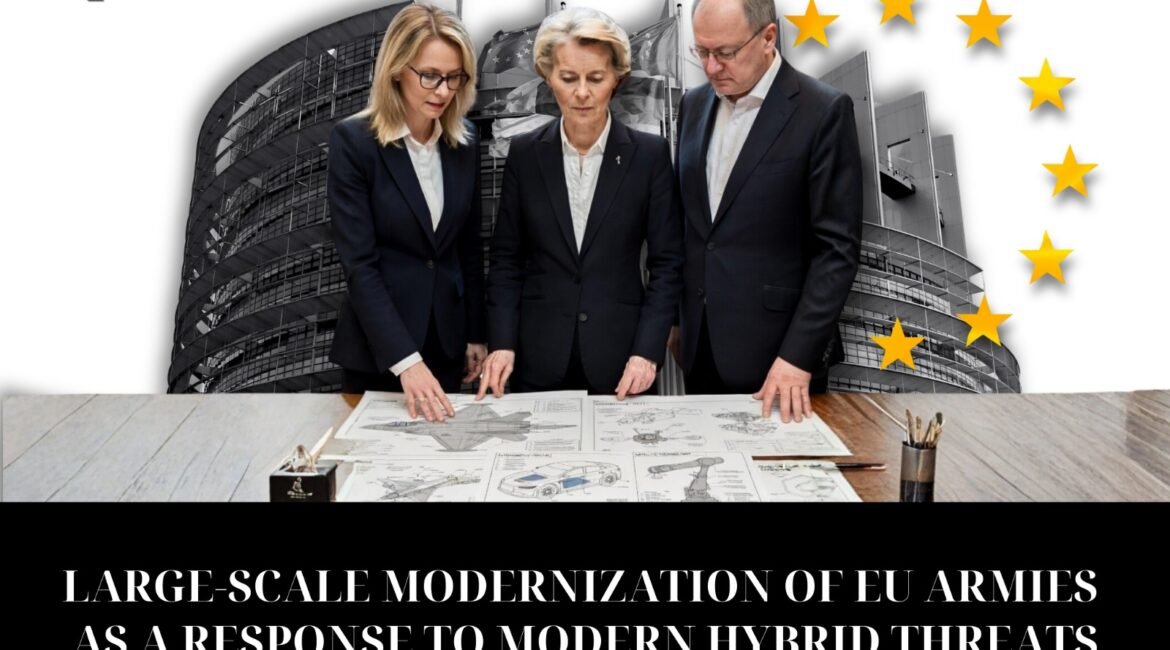
Russian aggression against Ukraine has become a key factor in the transformation of the security system in Europe. The full-scale invasion has shown that the previous model of defense policy of most EU countries, which provided for a gradual reduction of armies and optimization of military budgets after the end...