
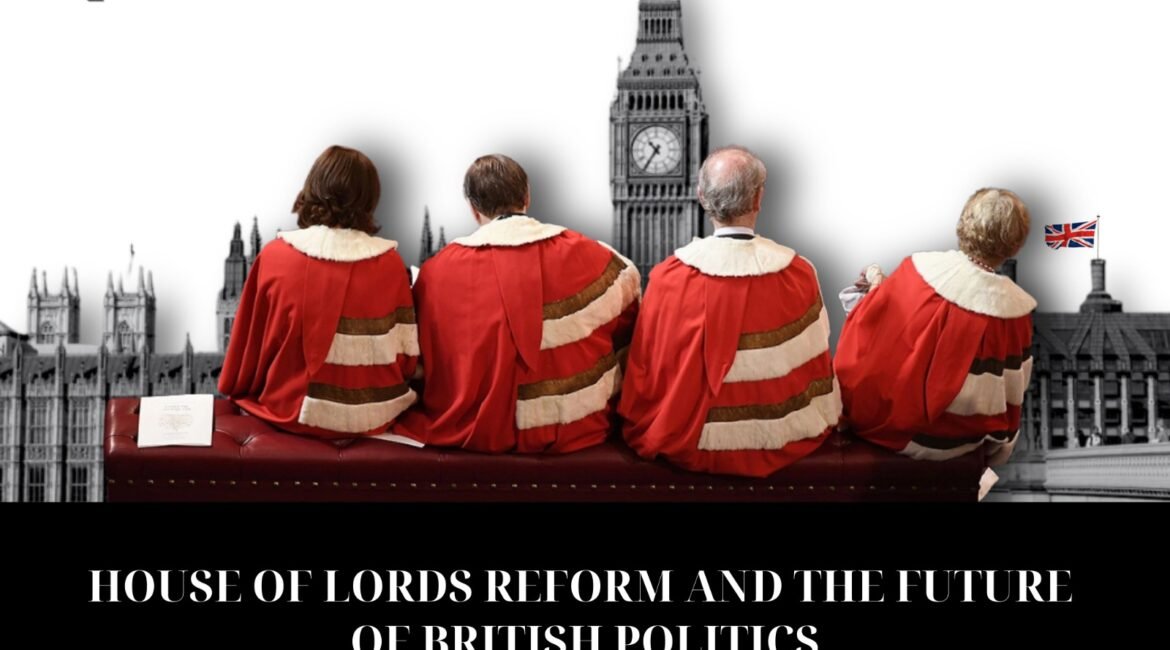
The British political system is undergoing an event that historians call one of the most significant constitutional reforms. The Parliament of the United Kingdom has passed a law definitively stripping hereditary aristocrats of the right to sit in the upper house of parliament, the House of Lords, thereby completing the...
The Epstein Files and the Political Crisis in Europe
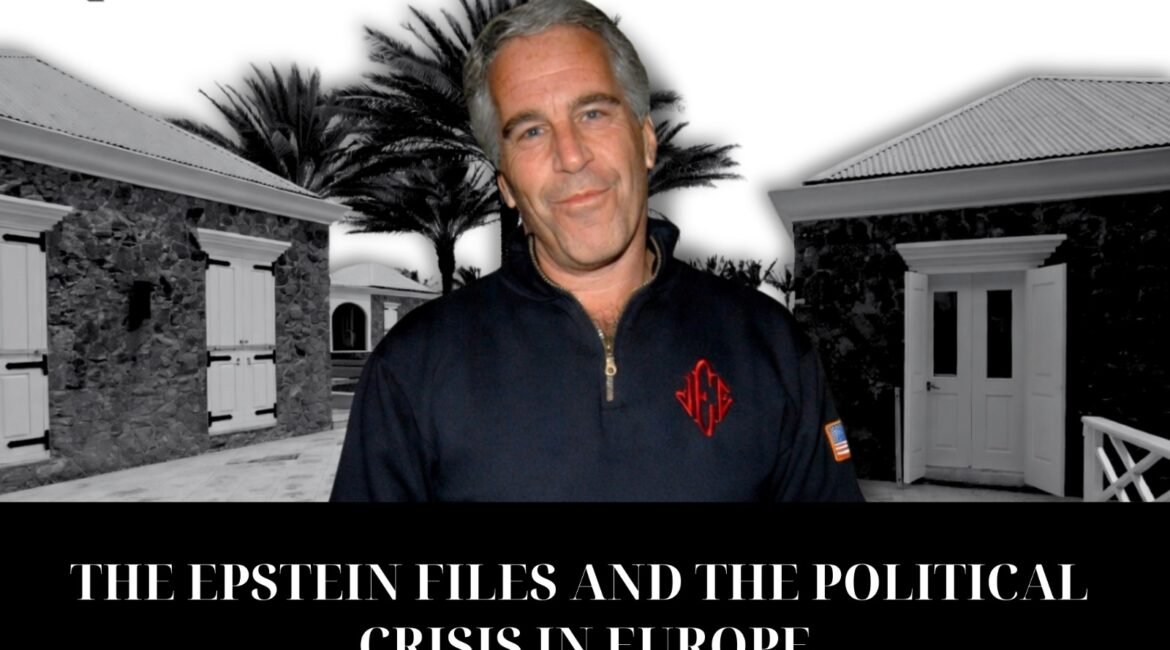
The publication of a new part of the so-called "Epstein Files" in early 2026 became one of the most high-profile international political scandals. These materials triggered a chain reaction of investigations in Europe, from criminal cases against former prime ministers to the resignations of diplomats and politicians and raised new...
The British footprint in the sanctions war
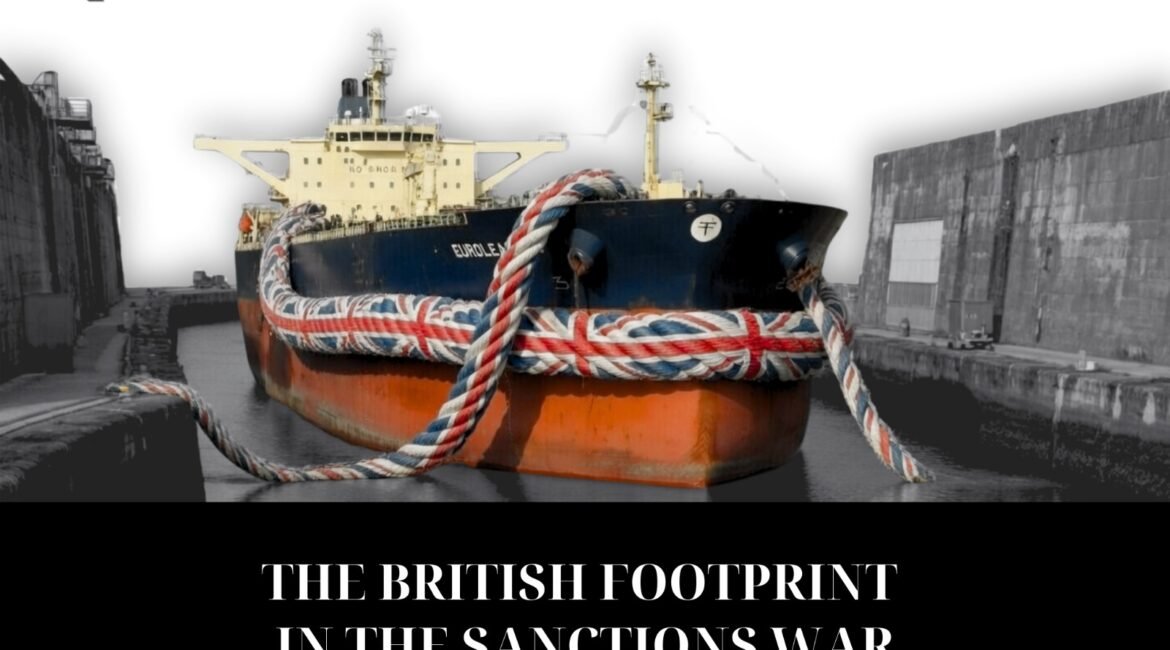
After leaving the European Union, it was important for the United Kingdom to prove that it could be self-sufficient outside its borders, including due to the loss of the ability to directly influence political decisions in Brussels. Events in recent years have demonstrated one interesting trend: London is increasingly becoming...
What does Iran’s blockade of the Strait of Hormuz mean for the UK
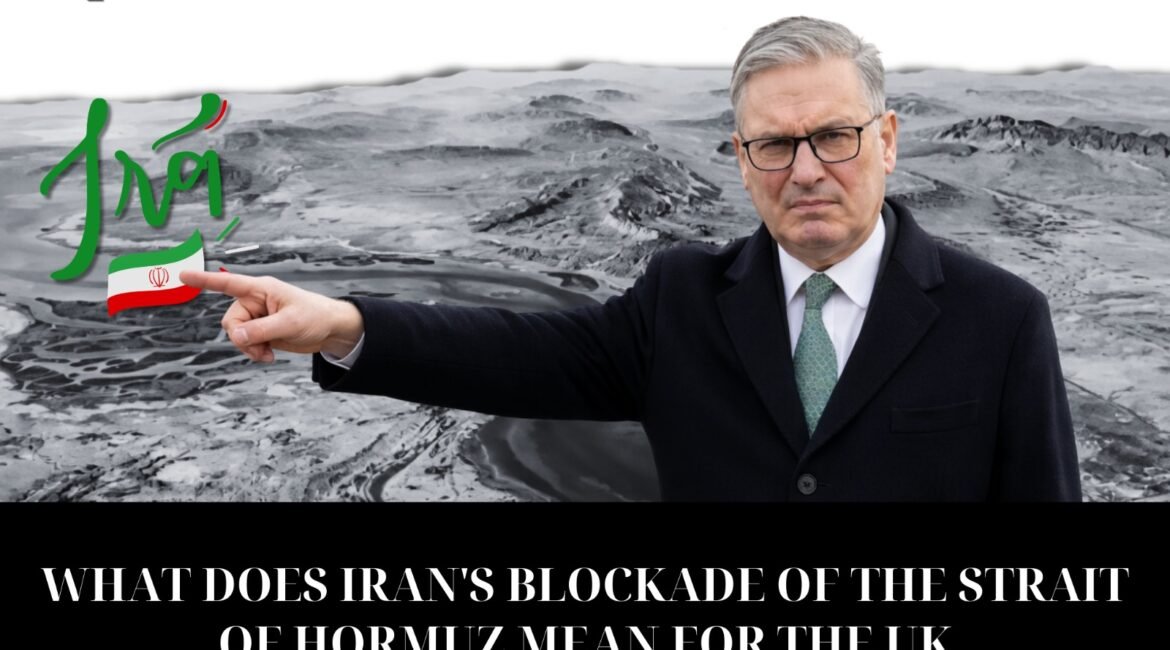
In late February 2026, the global energy market found itself on the brink of a new crisis. Following US and Israeli military strikes on Iranian targets, Tehran responded asymmetrically, effectively restricting shipping through the Strait of Hormuz, one of the key maritime corridors of the global economy. Already in the...
How Hungary’s banking sector became a tool for Orbán’s abuses
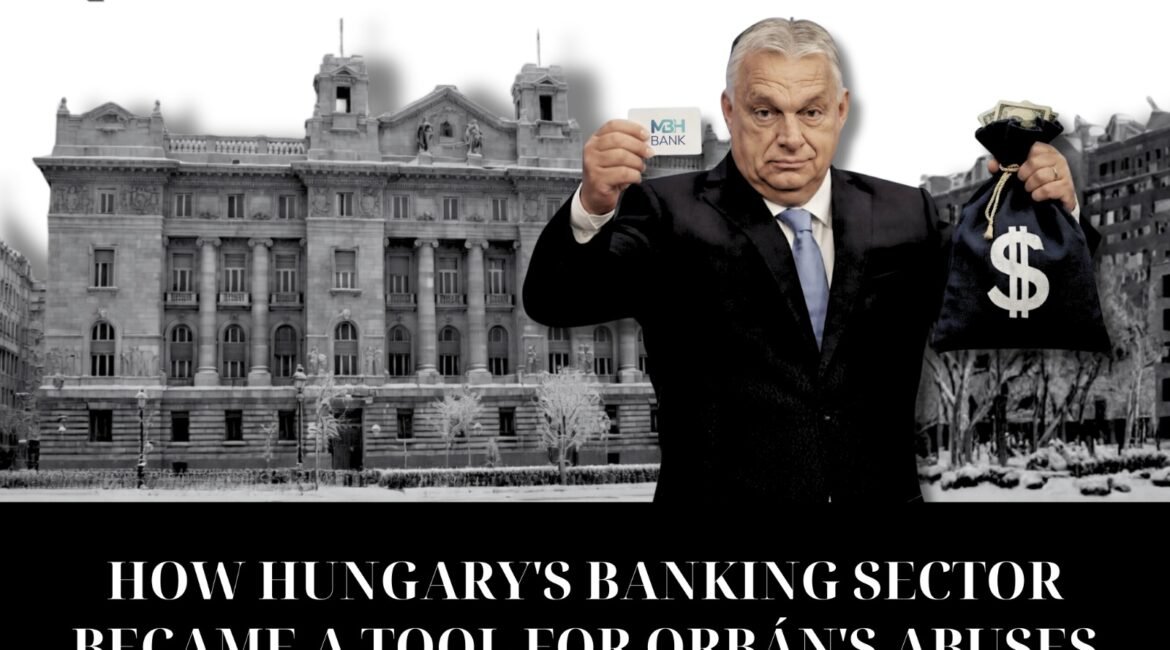
Today’s Hungary is in what more and more people are calling a “captured state” as the country’s financial system has ceased to serve its primary function of driving the economy, instead becoming an instrument of Viktor Orbán’s political survival. The basis of the Fidesz party’s political strategy has become the...
Emigration as a cover: how the FSB turns Russian refugees into its agents
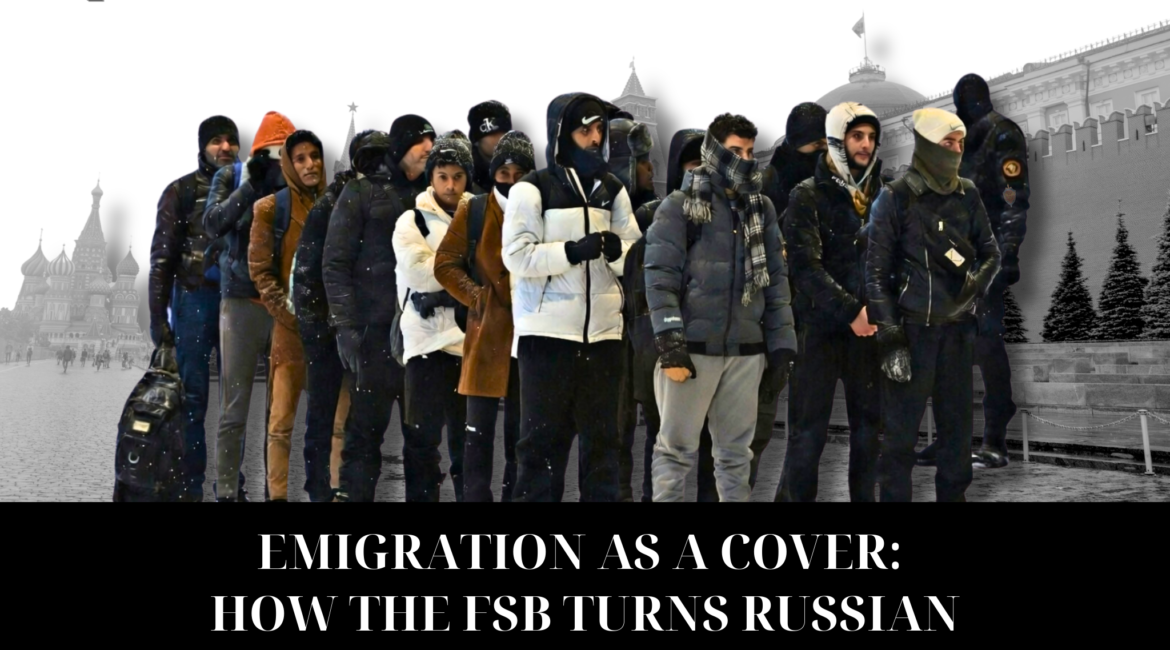
Over the course of more than a quarter century of Putin’s rule, political emigration from Russia has transformed from isolated cases of the expulsion of individual “inconvenient” oligarchs from the country to the outflow of the intellectual and cultural elite who dared to express public disagreement with the Kremlin’s policies....
Growing hybrid threats to the UK from Russia
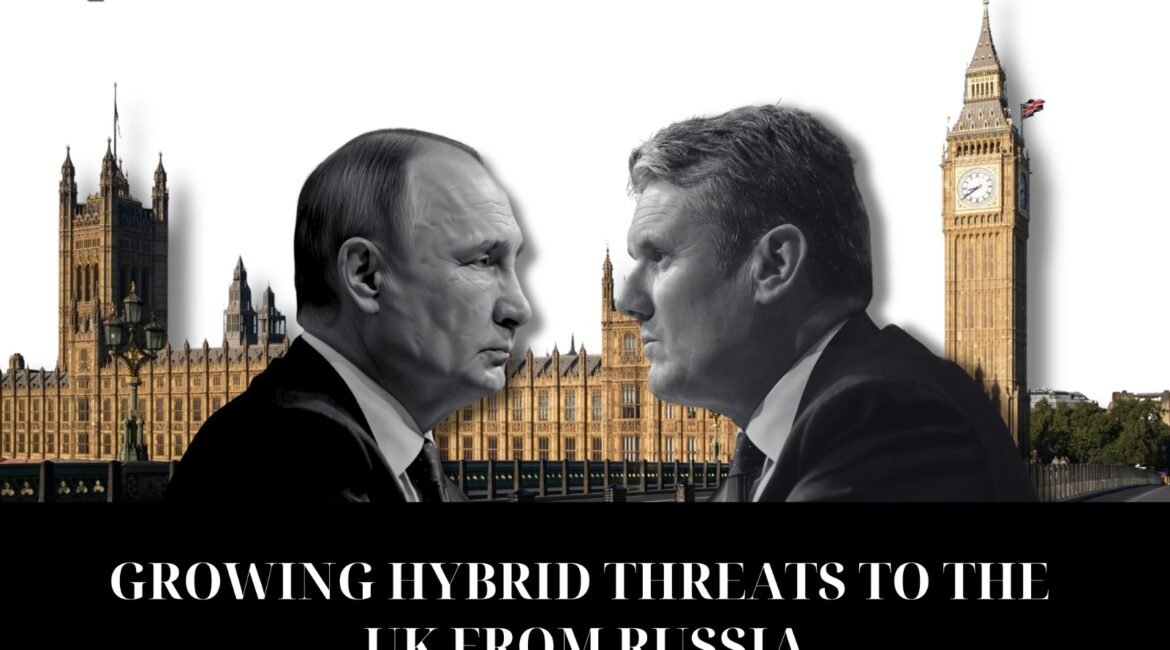
After the start of the Russian Federation’s full-scale war against Ukraine in 2022, Britain became a priority target for hybrid operations by Russian intelligence services for a number of reasons. Firstly, because of its military leadership in NATO and its active position in supporting Ukraine. It was the first to...
Britain sets course for its own payment system

London, February 2026. The heads of the UK's largest banks are preparing for a historic step in financial policy: the first coordinated meeting to discuss the creation of a national payments system, an alternative to the international payment networks Visa and Mastercard. The meeting, chaired by Barclays UK CEO Wim...
The pre-election confrontation between Viktor Orbán and Peter Magyar for the future of Hungary
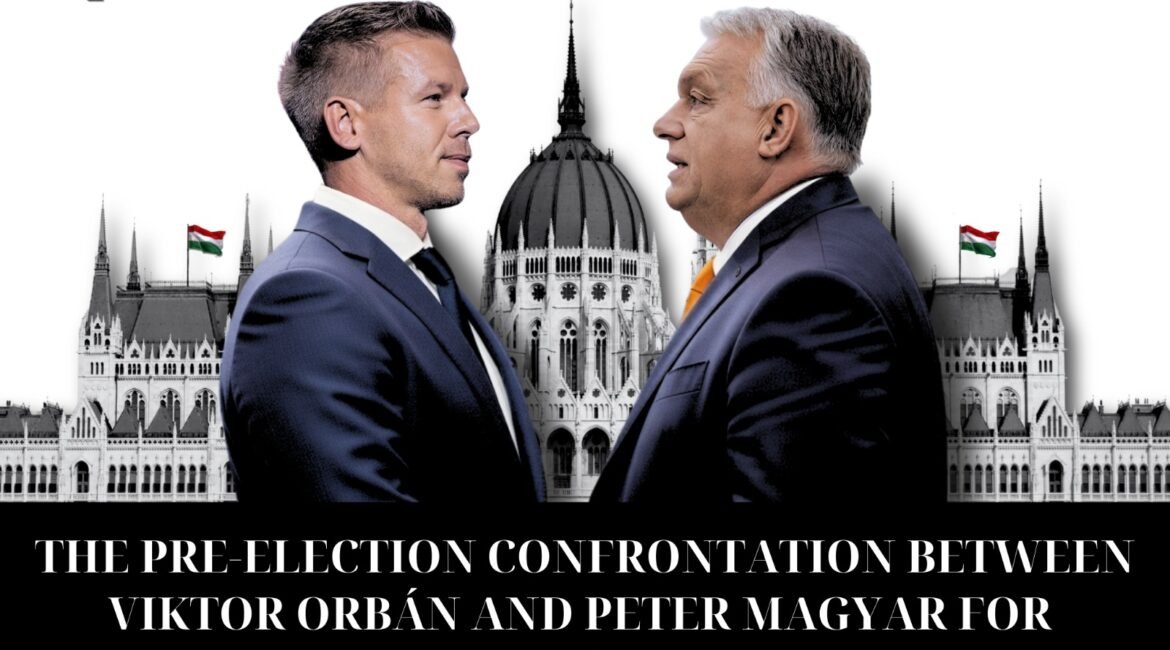
The Hungarian parliamentary elections scheduled for April 2026 could be a fateful moment not only for Hungary, which V. Orban has been leading for over fifteen years, but also for him personally. His power, authority and the system that he had built for himself for so long have faltered and...
How Fico is contributing to the corrupt degradation of the Slovak establishment
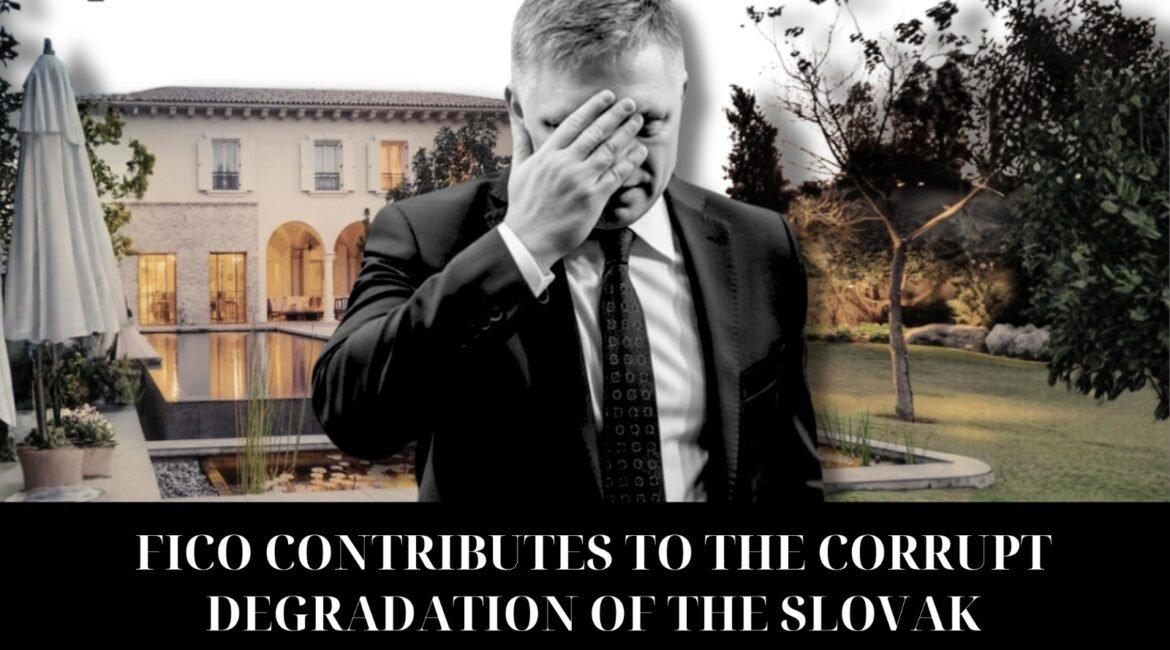
After joining the EU in 2004, the Slovak government began to make great efforts to build democratic institutions and a transparent law enforcement and judicial system. In fact, this was one of the key requirements for Slovakia when joining the European Union. Slovakia, as a country that was part of...