
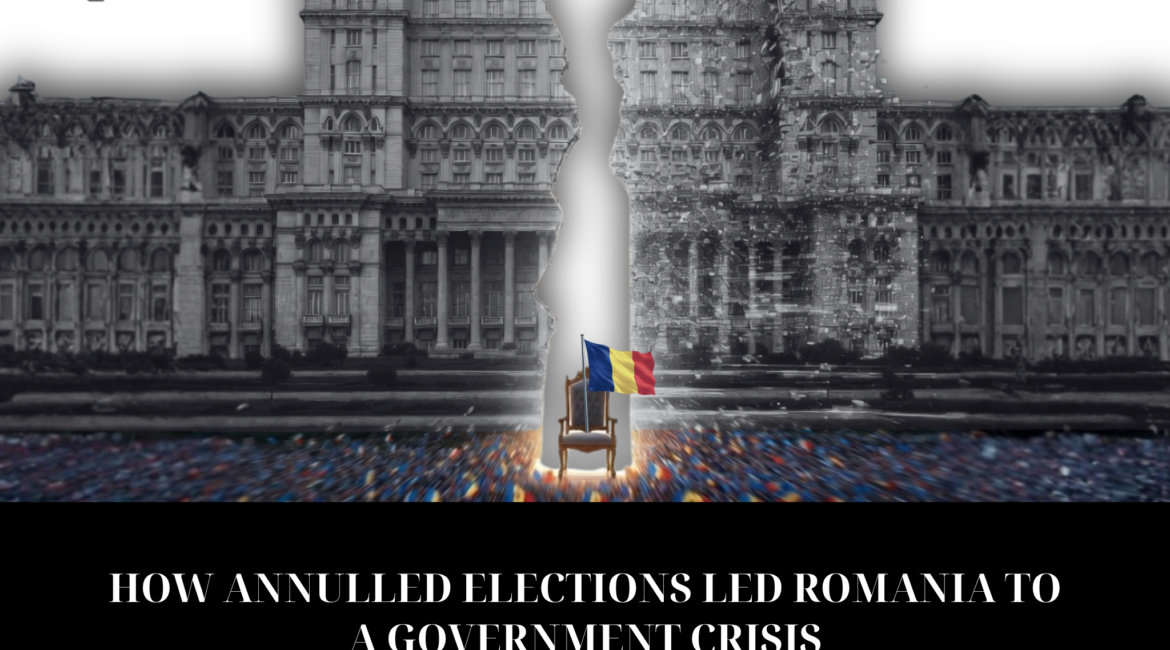
The victory of pro-European candidate Nicușor Dan in Romania's repeat presidential election on 18 May 2025 was seen as a signal of restored democratic order, and it appeared the country had avoided the worst-case scenario of radical forces coming to power amid suspicions of foreign interference. Yet within a year...
Britain creates new Naval Alliance to counter Russia
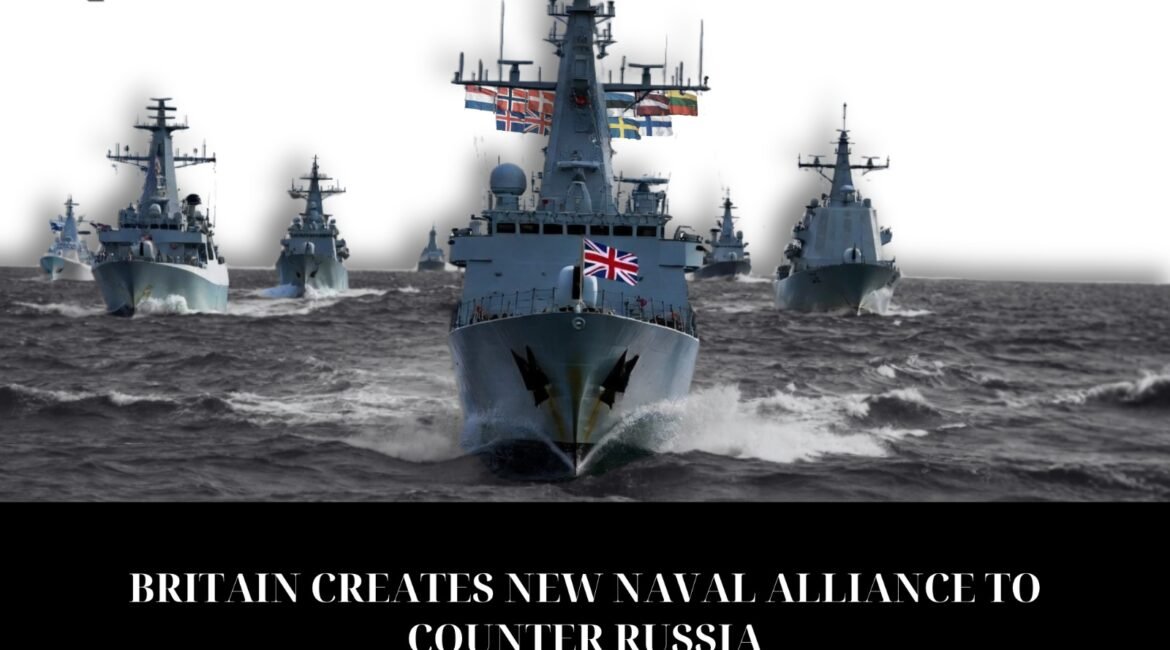
Under British leadership, ten Northern European and Baltic nations are establishing new combined naval forces based on the Joint Expeditionary Force (JEF), aimed at countering Russian threats in strategically important northern waters. The new alliance will include the United Kingdom, Norway, Sweden, Finland, Denmark, the Netherlands, Iceland, Estonia, Latvia, and...
The History of the collapse of European golden visas
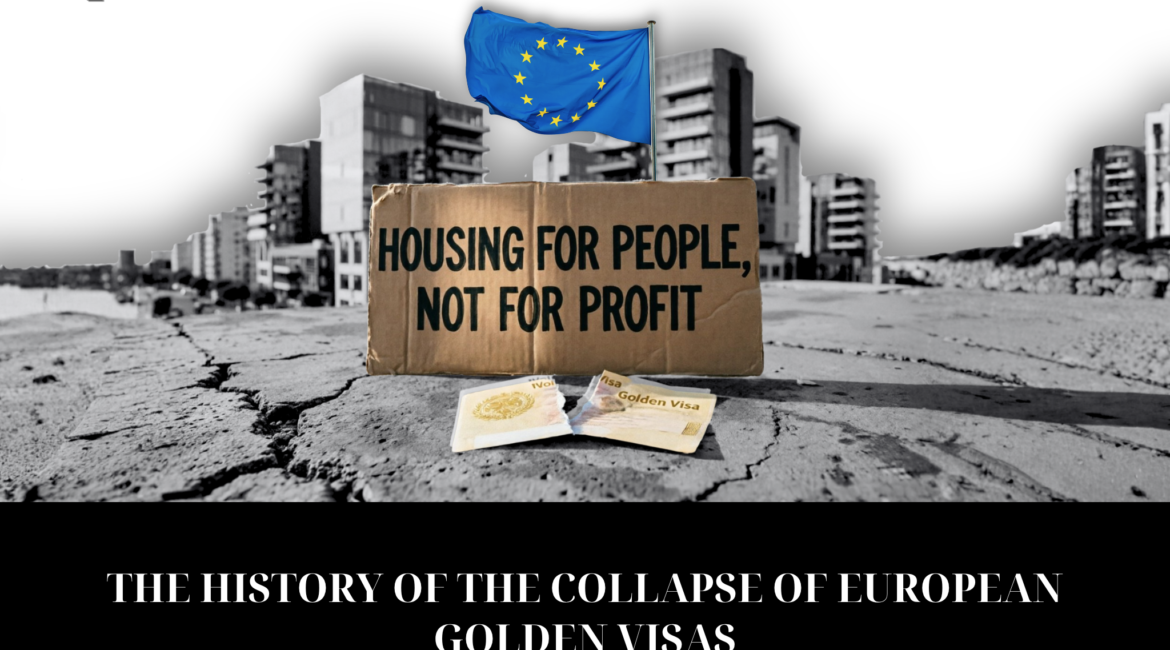
In the spring of 2026, Latvian authorities uncovered a scheme that became a textbook example of the golden visa industry. An investigation conducted by Latvia's Financial Intelligence Unit established that more than 20 companies, around 200 foreign investors, and over €10 million in investments existed only on paper. In reality,...
AfD uses broadcasting tax to destabilize democracy in Germany
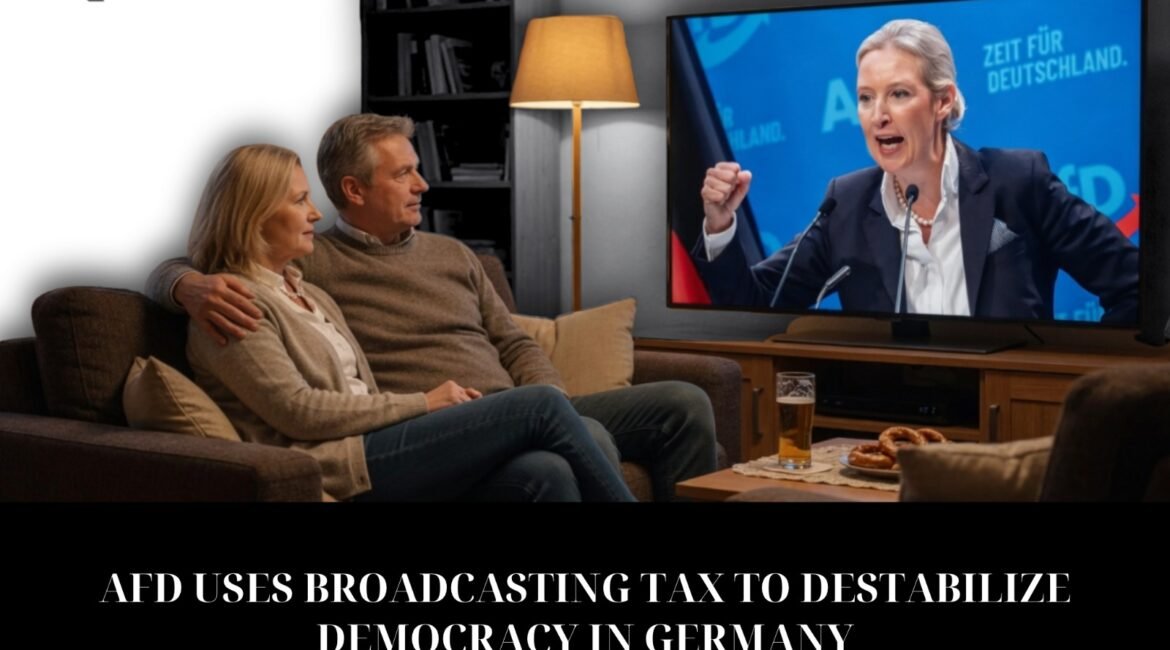
To ensure the financial and political independence of media in Germany, there exists a mandatory contribution to support public broadcasting (Rundfunkbeitrag), whose roots stretch back to the 1920s. In its current form, it has existed since 2013 and requires every household or apartment to pay a fixed contribution of €18.36...
The green illusion: how the British waste recycling market became a factory for fake certificates

In February 2026, the UK Environment Agency (EA) announced a series of high-profile arrests in a packaging waste fraud case. Investigators suspect recycling market participants of manipulating Packaging Recovery Notes (PRN) — certificates confirming that packaging has been recycled. Yet the regulators themselves acknowledge that this is not an isolated...
How Italy’s visa liberalism undermines the security of all of Europe
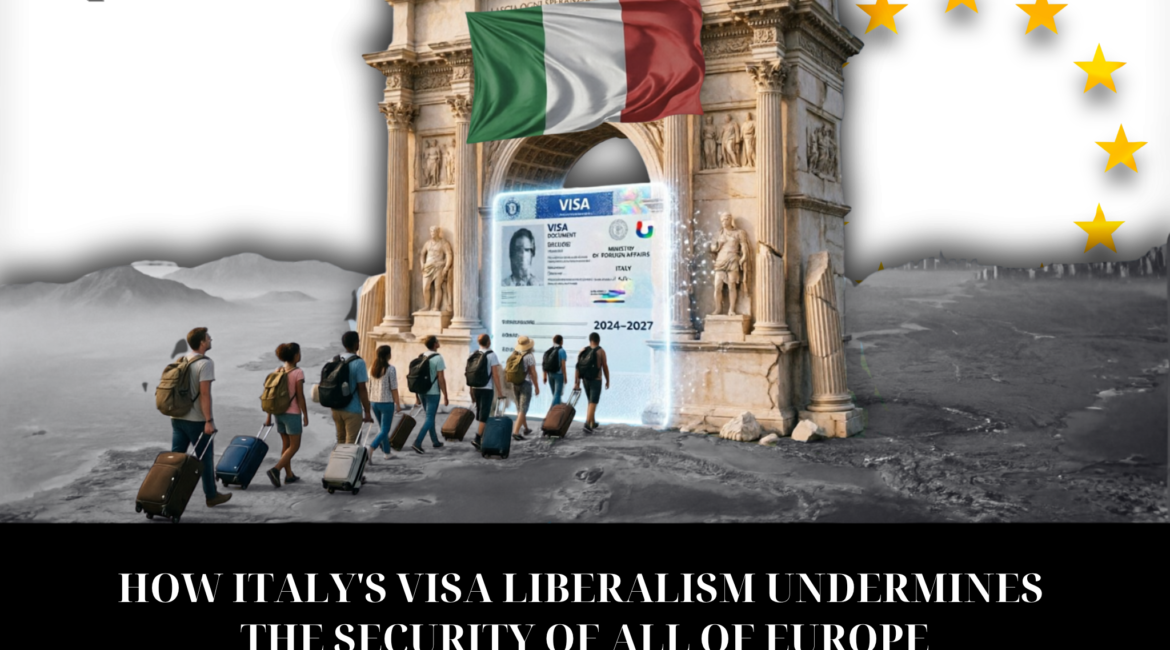
Italy has become the leader among Schengen zone countries in the number of visas issued to Russian citizens. According to data from VFS Global — the world's largest visa operator, serving embassies of more than 20 countries — the Italian visa operator VMS, which operates in many Russian cities, issued...
Billions for EU Defence attract criminals and fraudsters
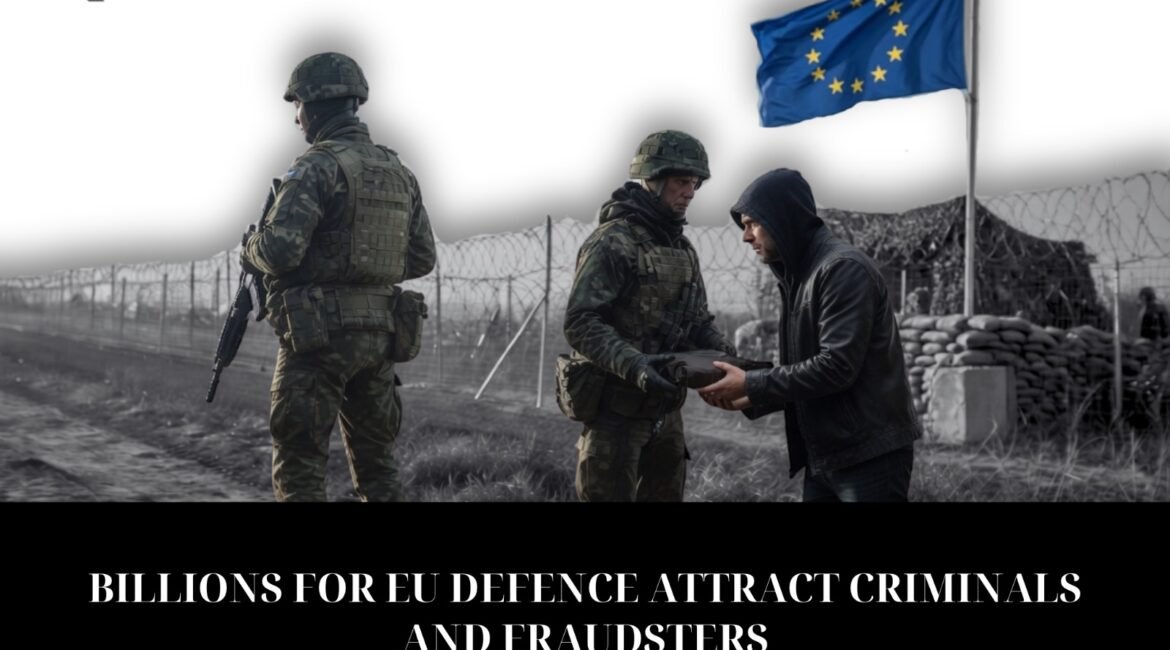
Russia's full-scale invasion of Ukraine and the escalation of hybrid threats against Europe have forced Brussels and many European capitals to rethink their defence plans and doctrines. To build up and modernise the defence sector, the EU has launched a number of large-scale programmes: the Act in Support of Ammunition...
How Cyprus became an arena of hybrid confrontation with Russia
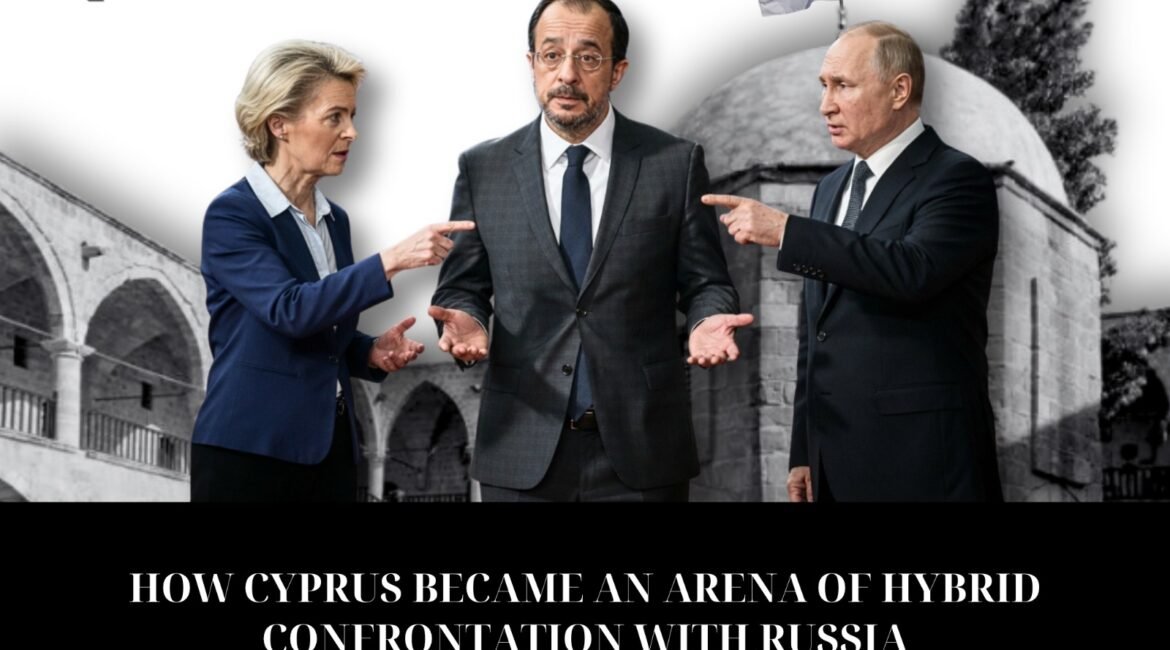
Until recently, Cyprus was perceived as a “safe haven” for Russian capital—a jurisdiction with light regulation, a favorable tax system, and strong ties to Russian business elites. However, by 2026 the situation has changed dramatically. Against the backdrop of the war in Ukraine, the tightening of European Union sanctions policy,...
The birth of a new German power: yow the war in Ukraine made Germany Europe’s military leader
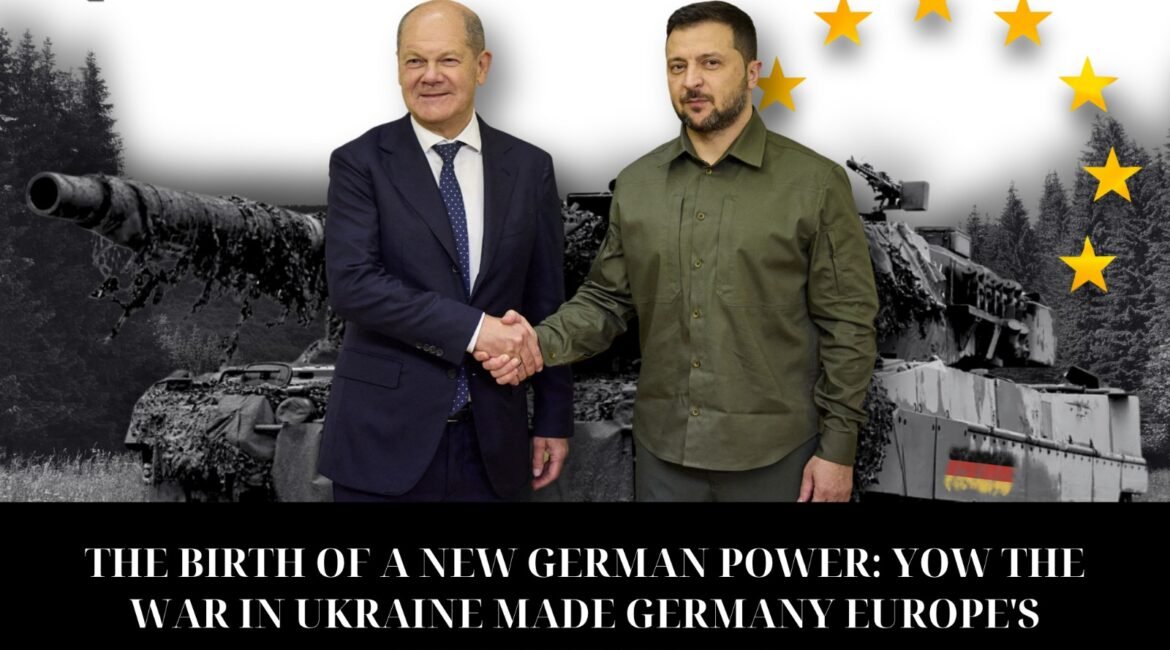
February 2022 and the beginning of Russia's invasion of Ukraine marked a new turning point for Germany — a fundamental reassessment of the country's position in the European security system, its military doctrine, and the restructuring of its economy. But does this represent mere adaptation to new threats, or is...
Slovakia’s “Eastern turn” and its consequences for Pan-European policy
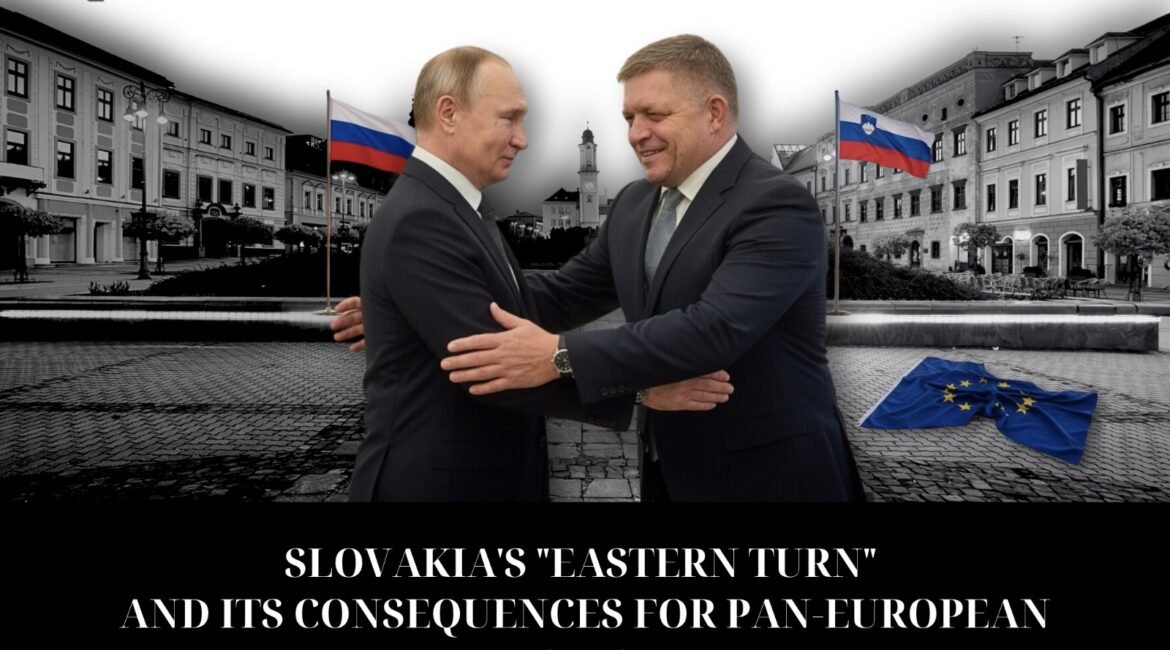
The return to power of Prime Minister Robert Fico in October 2023 marked a turning point in Slovakia's foreign policy. A country long regarded as part of Central Europe's pro-European consensus began showing signs of a strategic shift toward an "eastern," pragmatically pro-Russian line. This process is unfolding against the...