
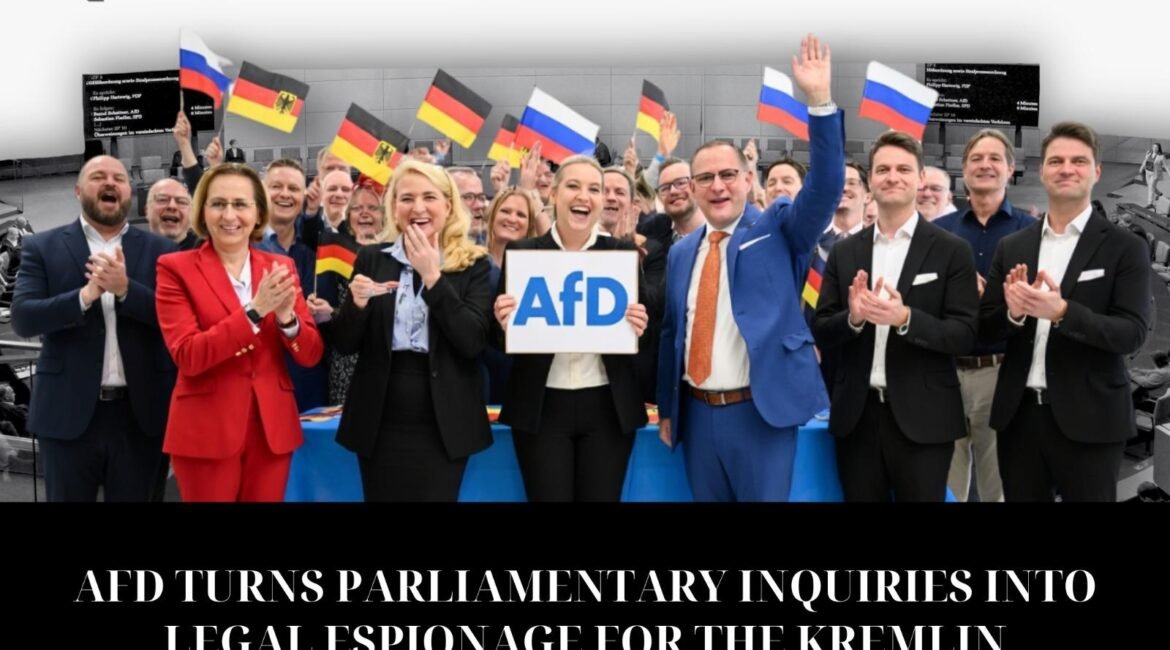
The phenomenon of "Alternative for Germany" (AfD) lies in its rapid transformation from a party of Eurosceptic intellectuals into a radical populist force that exploited Germany's identity crisis, migration, and economic problems to boost its ratings. It became the first right-wing radical party in post-war German history to not only...
How the Italian mafia turned European grants into a tool for enrichment
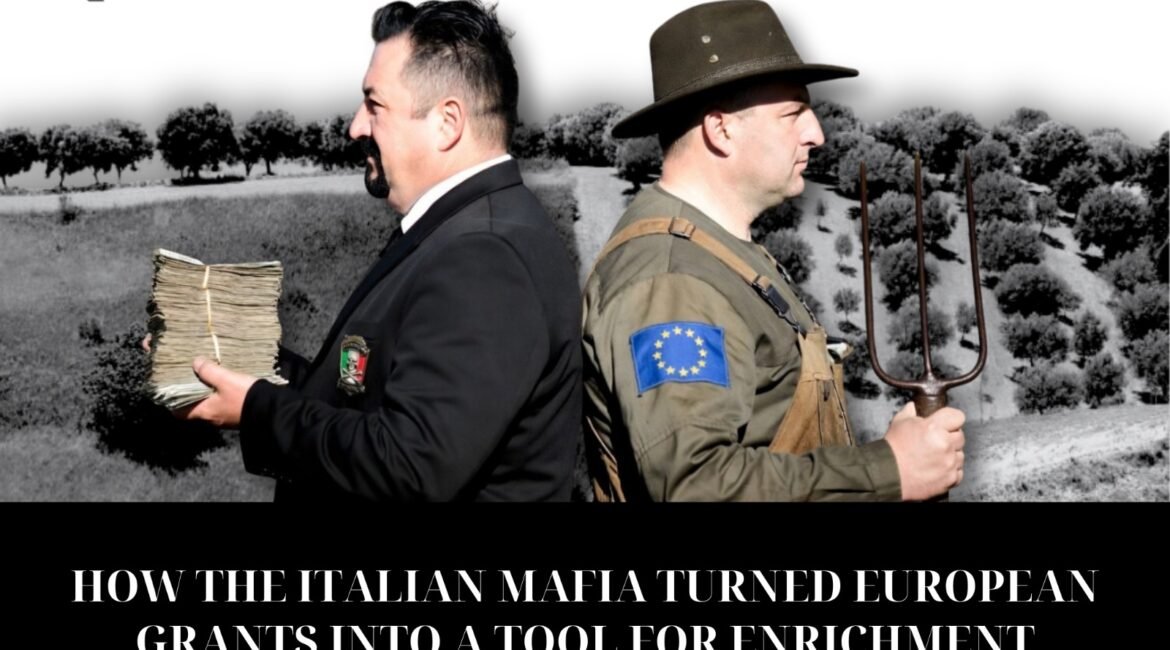
The Italian mafia has long ceased to be an ordinary paramilitary structure that profits from racketeering, banditry, and territorial control. Having abandoned the high-profile terrorist attacks and street violence that drew excessive law enforcement attention in the 1990s, mafia clans adopted a strategy of invisible infiltration into the legal sectors...
The Mogherini corruption case becomes a test for the EU
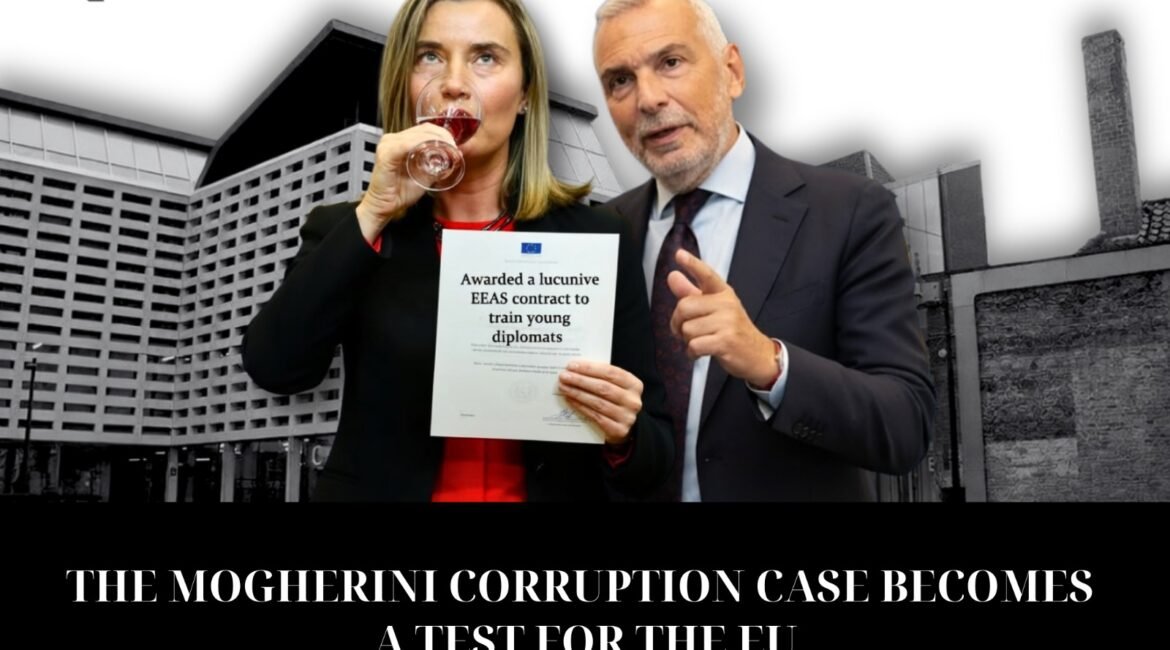
Corruption scandals in the European Union occasionally reach the very top of its officialdom, and one of the most telling examples is the case against Federica Mogherini. The investigation, launched in Belgium in December 2025, directly implicated a figure of the highest standing — the former EU High Representative for...
Lukashenko’s gambit — prisoners for sanctions
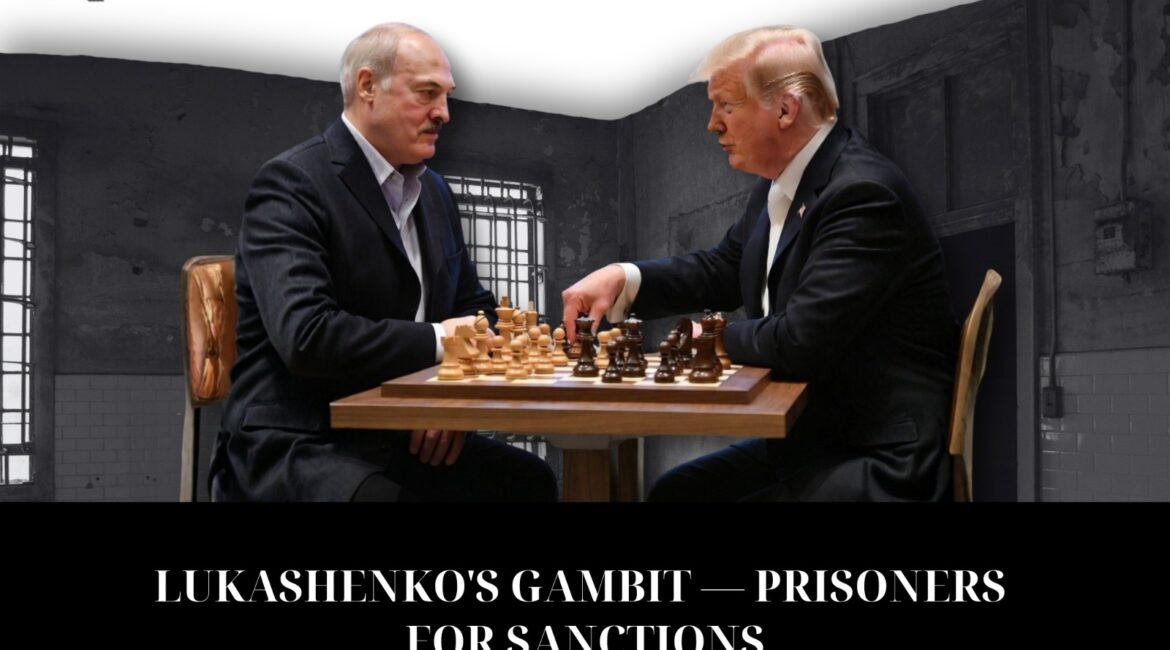
The history of US and EU sanctions against Belarus has traveled a long road — from targeted, situational restrictions over human rights violations to a full-scale economic and political blockade. The Belarusian regime faced its harshest sanctions over the systematic falsification of presidential elections. The forced landing of a Ryanair...
How France turned its suburbs into powder kegs
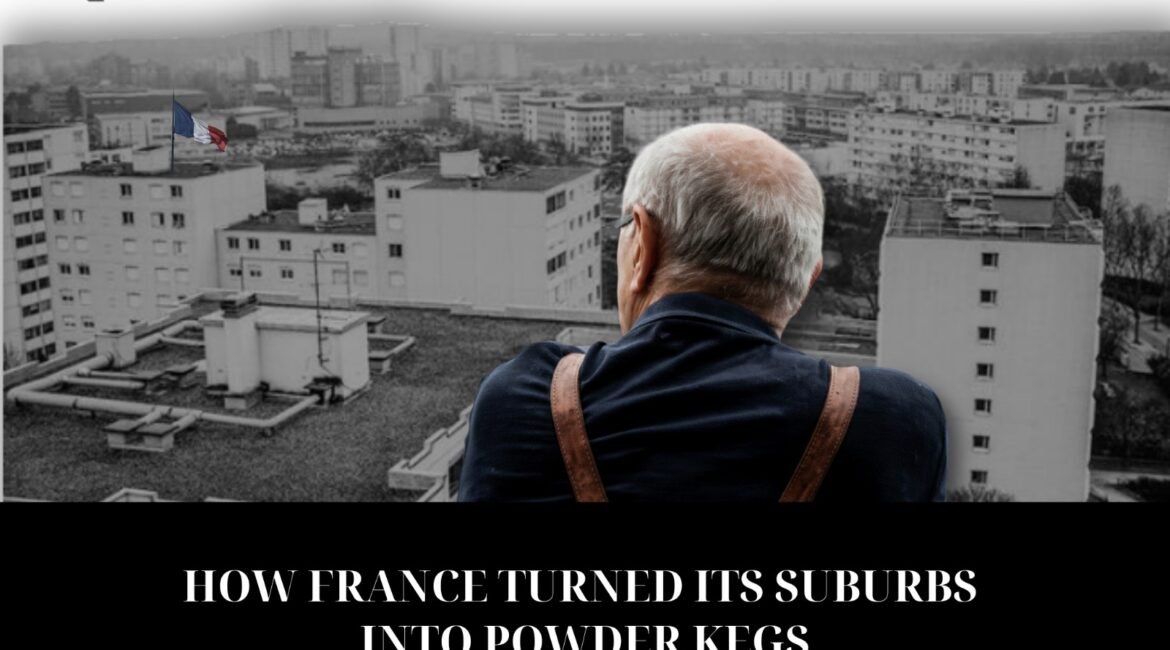
France has been grappling for several decades with a phenomenon that has gradually evolved from an urban planning problem into one of the country's key political challenges. This concerns the formation of suburban enclaves — the so-called banlieues — where social marginalisation, high unemployment, and ethnocultural segregation are concentrated. These...
Where is Babiš’s government leading the Czech Republic
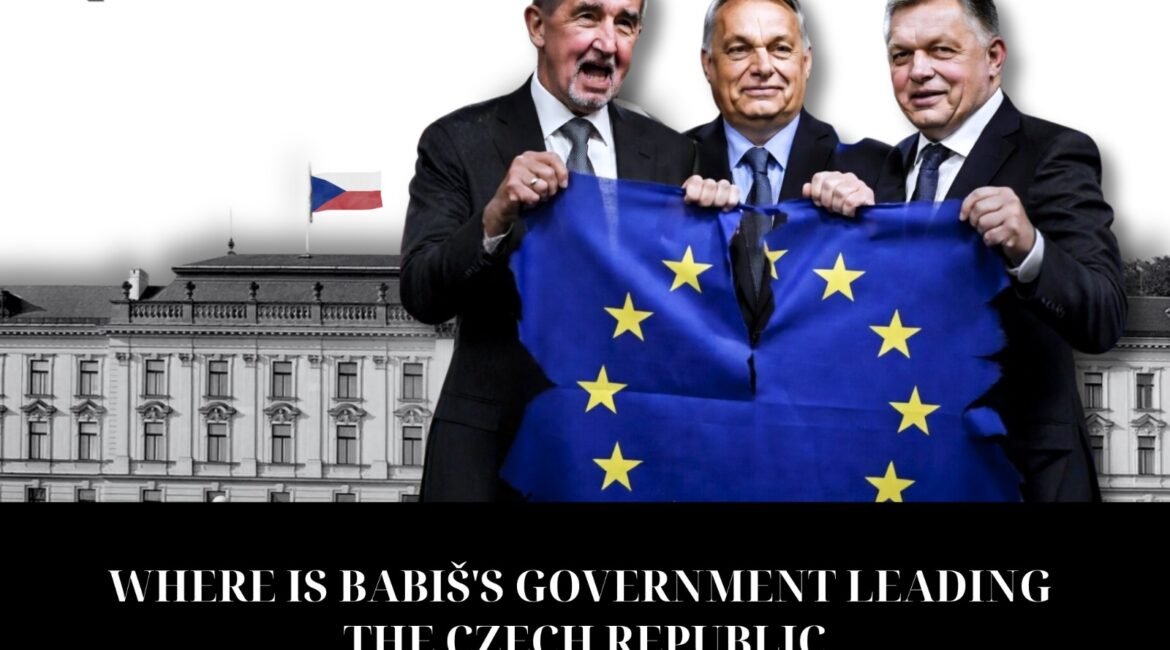
The return of Andrej Babiš to the position of Prime Minister of the Czech Republic in December 2025 has led to noticeable shifts in Czech policy. His coalition with the far-right Freedom and Direct Democracy party (SPD) and the right-populist Motorists for Themselves (Motoristé sobě) formed a new configuration of...
The dependence of European far-right groups on external funding is greater than it appears
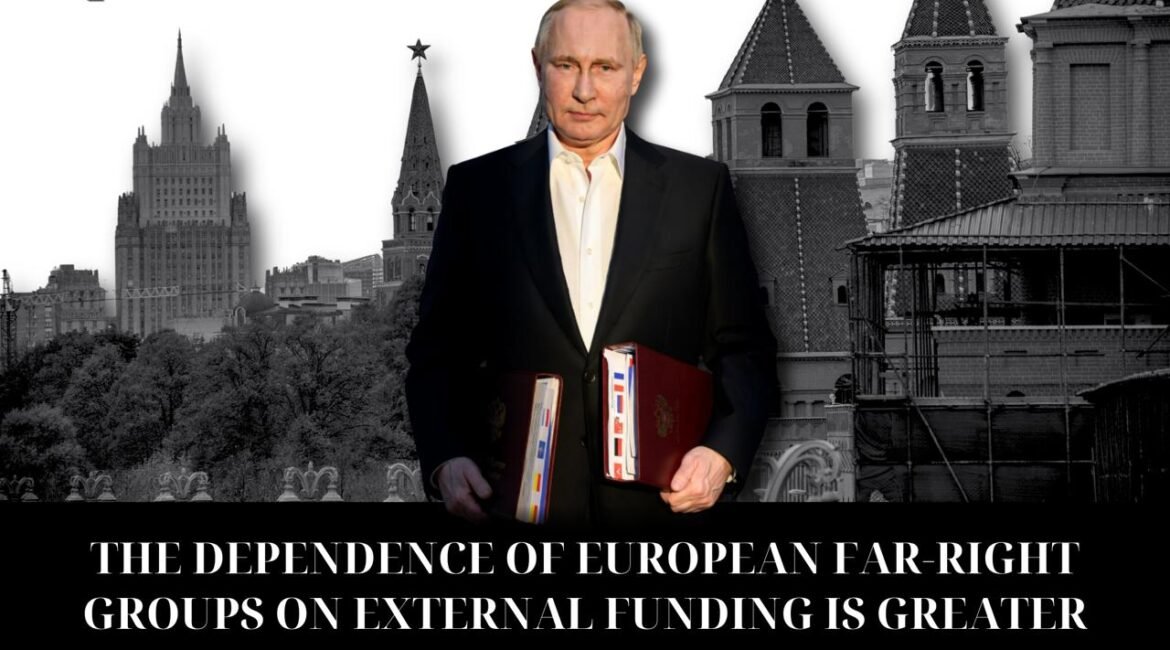
The rise in popularity of far-right parties in Europe has always been accompanied by questions about the transparency of their funding sources and the extent of their dependence on foreign influence. One of the least transparent and most difficult to trace methods of financing is cryptocurrency, as it allows entities...
The anti-corruption boomerang for Albania’s government
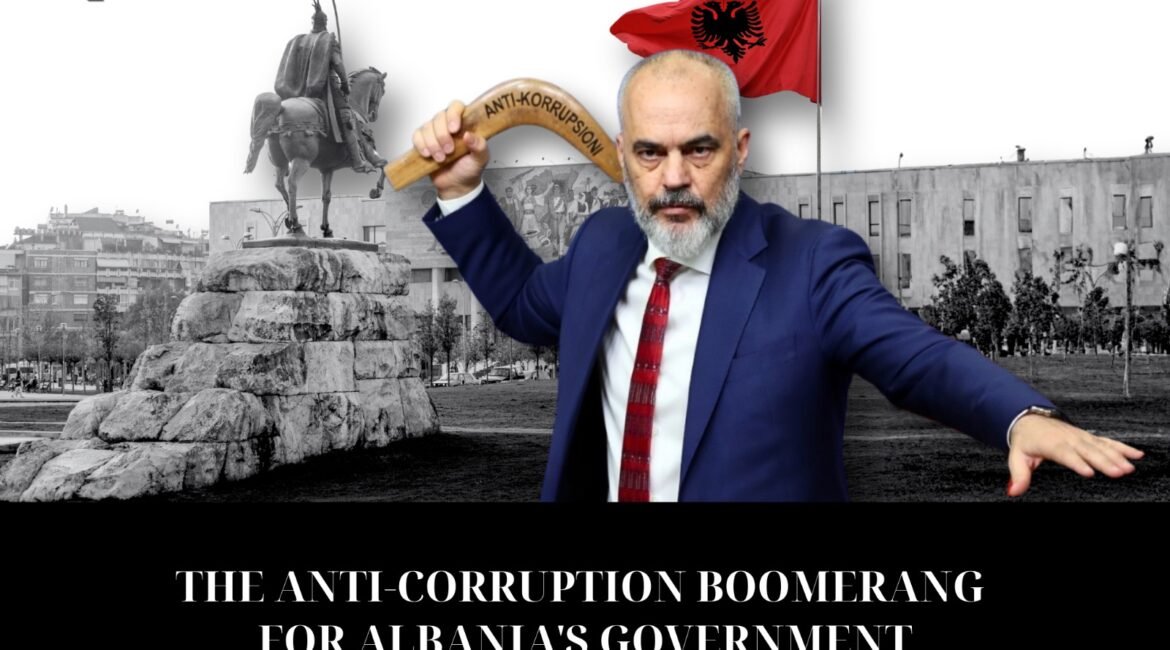
Albania had long been regarded by the European Union as one of the most promising accession candidates. The motivation was a sweeping judicial reform and the creation in 2019 of a specialized anti-corruption body, SPAK, designed to combat corruption at the highest levels. However, several years on, this very instrument...
Russia builds a recruitment and training network of saboteurs to destabilize Europe
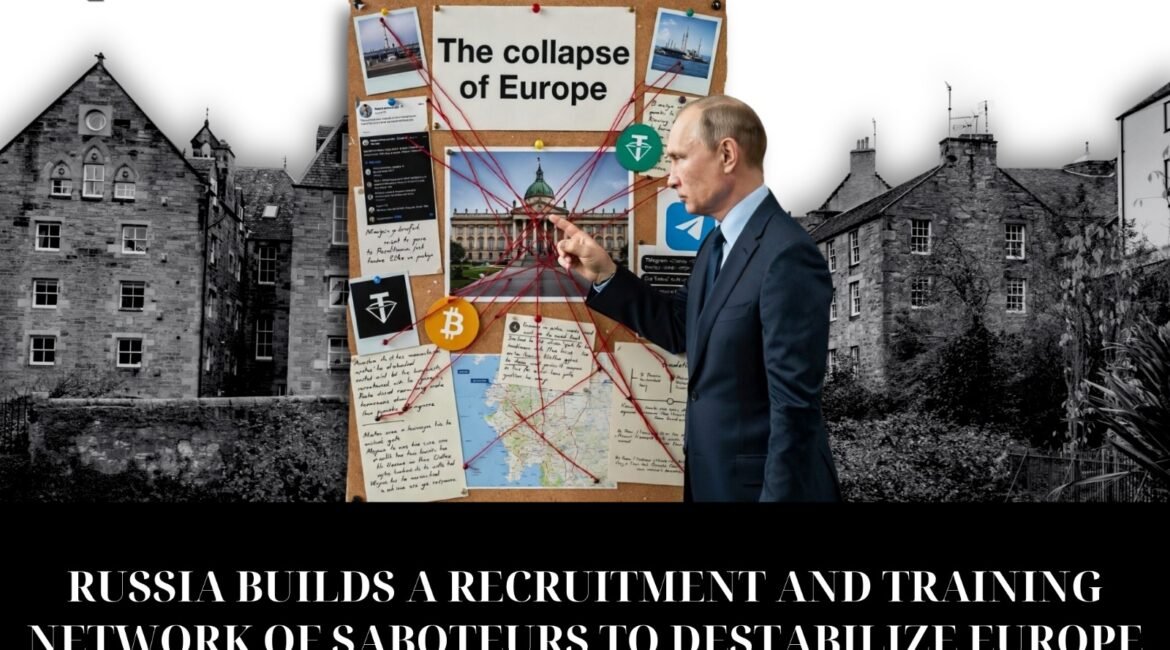
In the spring of 2026, materials from an investigation by Moldovan law enforcement agencies made it possible to reconstruct in detail one of Russia’s largest hybrid operations. It concerns the creation of a transnational network involving the recruitment, training, and use of agents to destabilize the political situation both in...
Slovenia after elections, coalitions decide everything
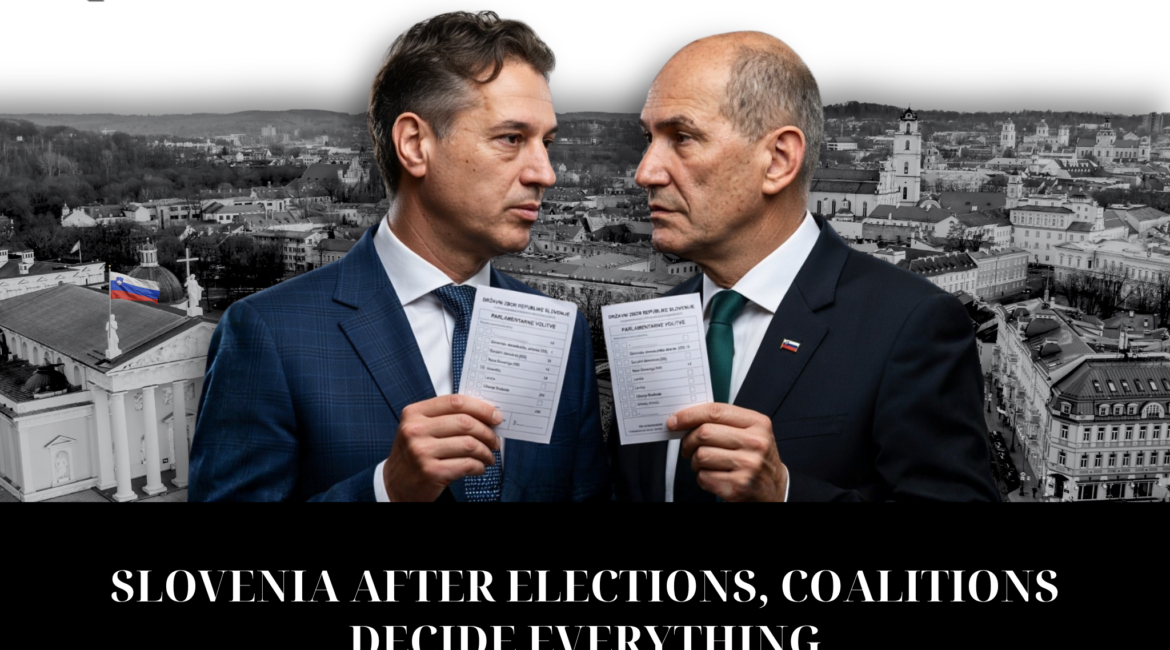
The parliamentary elections of March 22 were the tenth since Slovenia declared independence on June 25, 1991. They took place amid an unprecedented level of social polarization, and never before had the future of this small European country depended so heavily on the outcome of a vote. Slovenians were electing...