
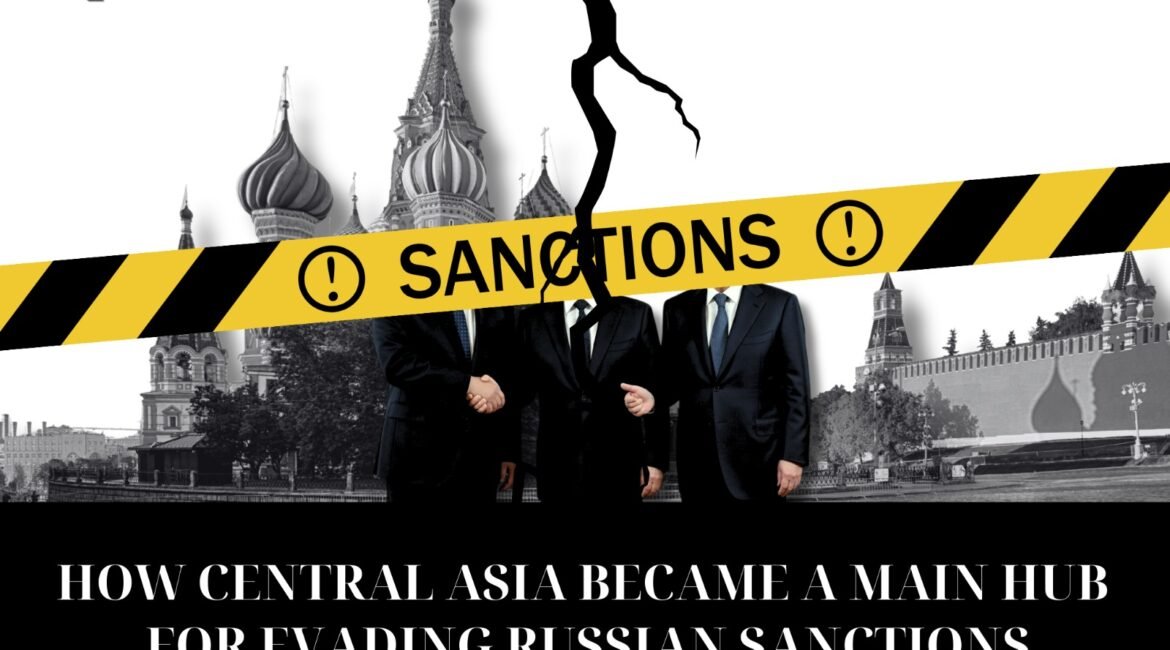
Since the introduction of anti-Russian sanctions in 2022, the countries of Central Asia (CA) and the CIS have become a center of “gray” imports to Russia and the main channel for circumventing sanctions. Parallel imports through Kyrgyzstan, Kazakhstan and Georgia have shown impressive growth rates over the past few years....
Growing hybrid threats to the UK from Russia
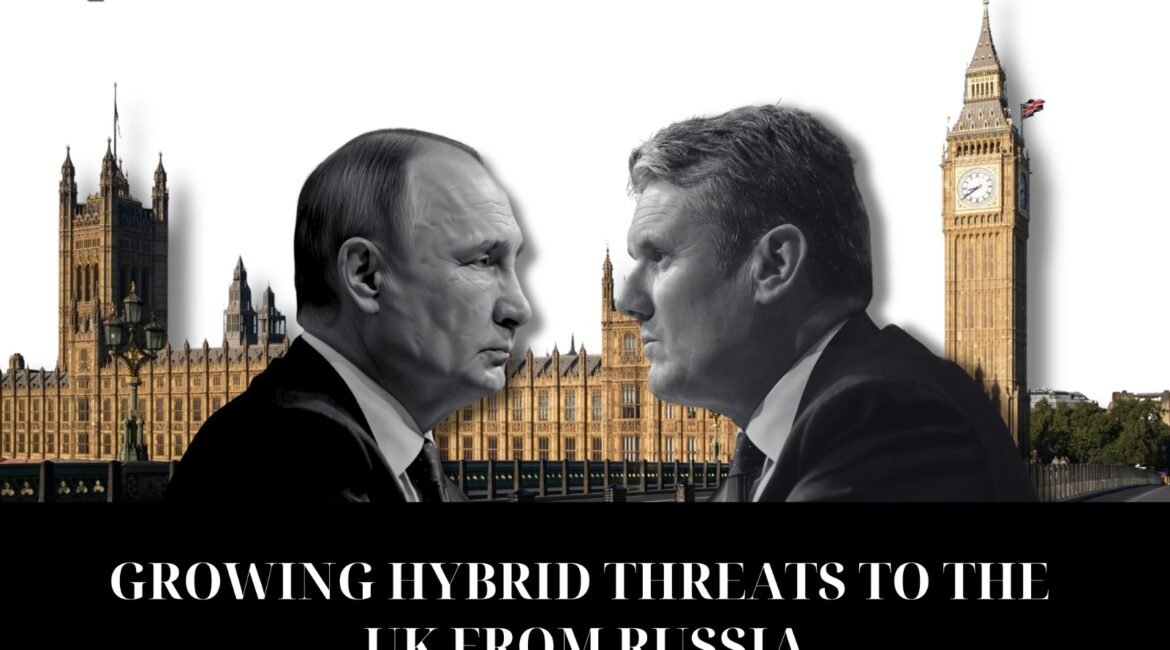
After the start of the Russian Federation’s full-scale war against Ukraine in 2022, Britain became a priority target for hybrid operations by Russian intelligence services for a number of reasons. Firstly, because of its military leadership in NATO and its active position in supporting Ukraine. It was the first to...
Science in exile: American scientists leave the US and what Europe gains in return
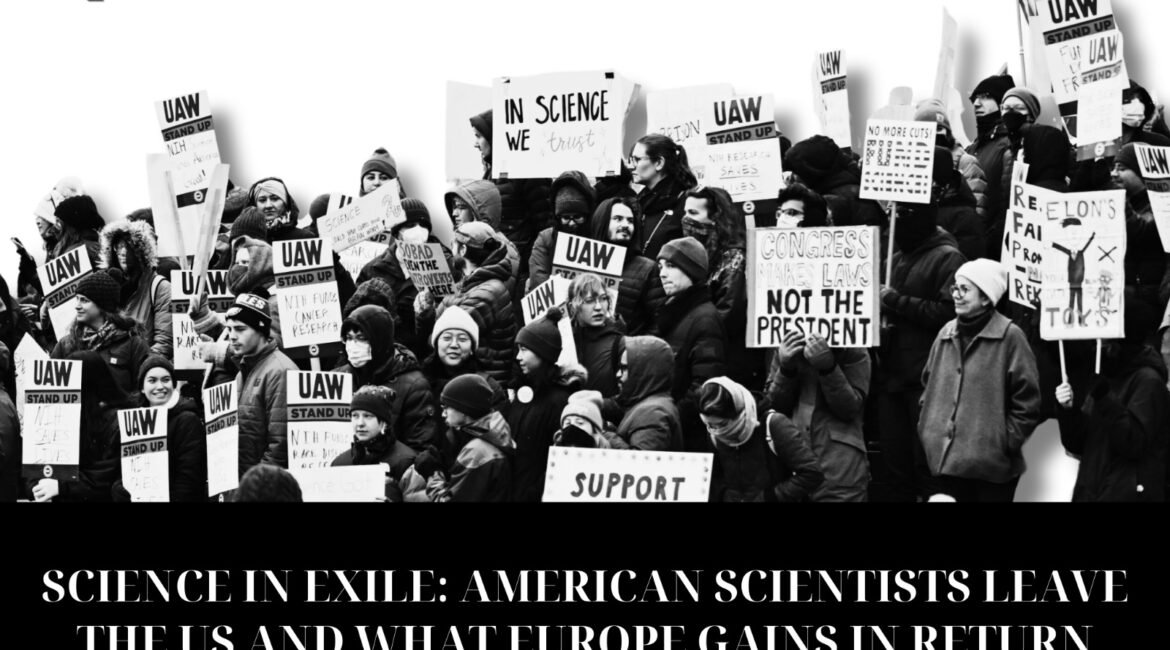
When Donald Trump began his second presidential term in early 2025, few observers predicted that this era would be a turning point for American science. However, over the past year, the US scientific community has become an unwitting participant in processes far from scientific. Many experts believe that grant cuts,...
A right-wing revolution in Germany’s Heartland: What to expect from the March 2026 state elections
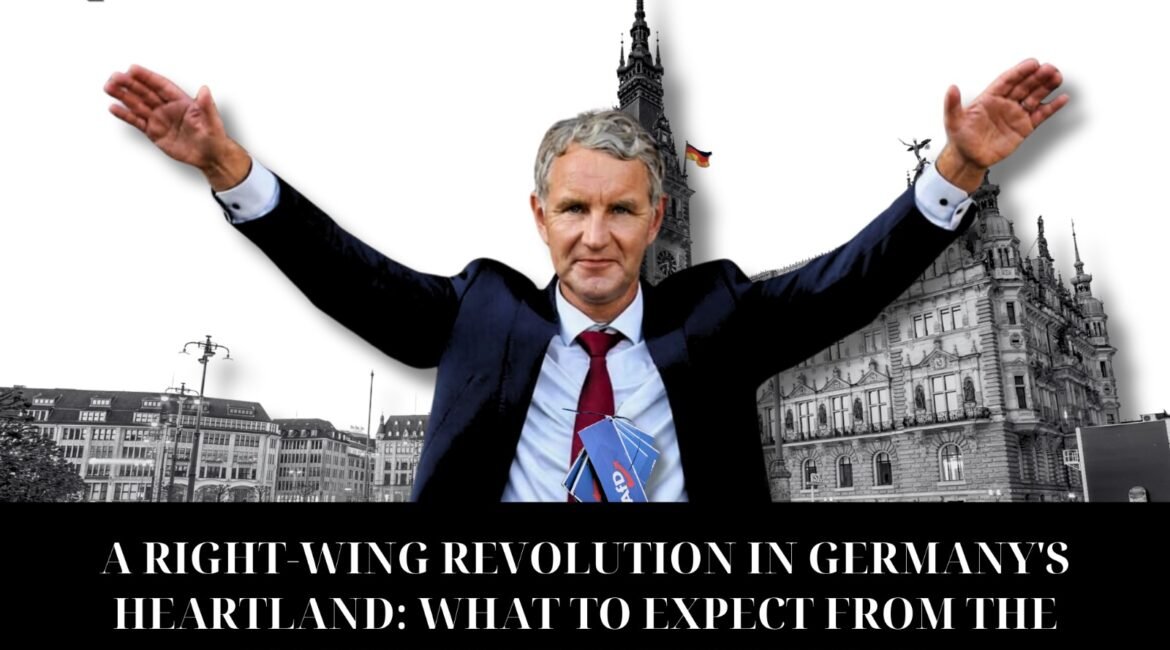
In March 2026, Germany will hold two important stages in regional politics: elections to the state parliaments of Baden-Württemberg (March 8) and Rhineland-Palatinate (March 22). The results of the votes will not only renew the composition of the state parliaments but will also serve as an indicator of a wide...
Kremlin seeks to restore cooperation between Sberbank and Emirati fund Mubadala
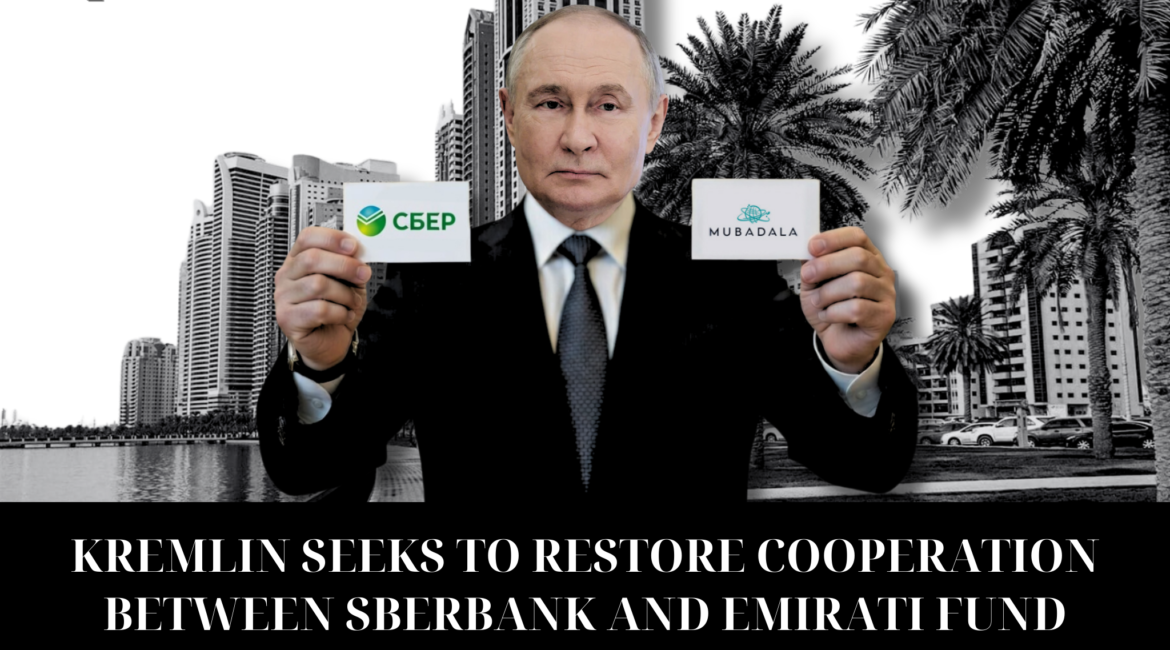
The basis of cooperation between the Russian Federation and the UAE has always been trade, energy (cooperation within OPEC+) and the financial services market. Russia received significant financial investments from the Emirates in its large infrastructure and logistics projects. After 2022, the UAE, under sanctions, became a key financial and...
Britain sets course for its own payment system
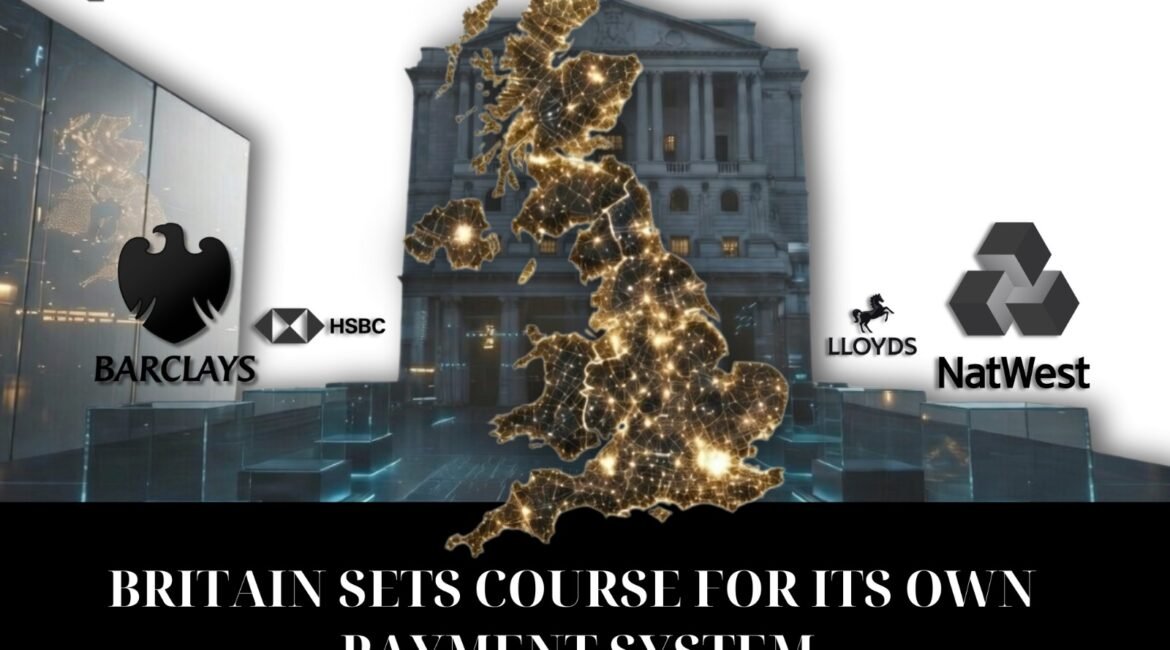
London, February 2026. The heads of the UK's largest banks are preparing for a historic step in financial policy: the first coordinated meeting to discuss the creation of a national payments system, an alternative to the international payment networks Visa and Mastercard. The meeting, chaired by Barclays UK CEO Wim...
From legend to reality: How a “shadow fleet” turned sailors into prisoners of ghost ships

Historically, the term "ghost ship" was associated with legends of drifting vessels without crews. However, in the 21st century, it has acquired a new, far more sinister meaning. This refers not to mysterious disappearances, but to the systemic practice of abandoning seafarers by shipowners. According to the definition enshrined in...
The pre-election confrontation between Viktor Orbán and Peter Magyar for the future of Hungary

The Hungarian parliamentary elections scheduled for April 2026 could be a fateful moment not only for Hungary, which V. Orban has been leading for over fifteen years, but also for him personally. His power, authority and the system that he had built for himself for so long have faltered and...
Unequal opportunities and complexities of the electoral process in Hungary
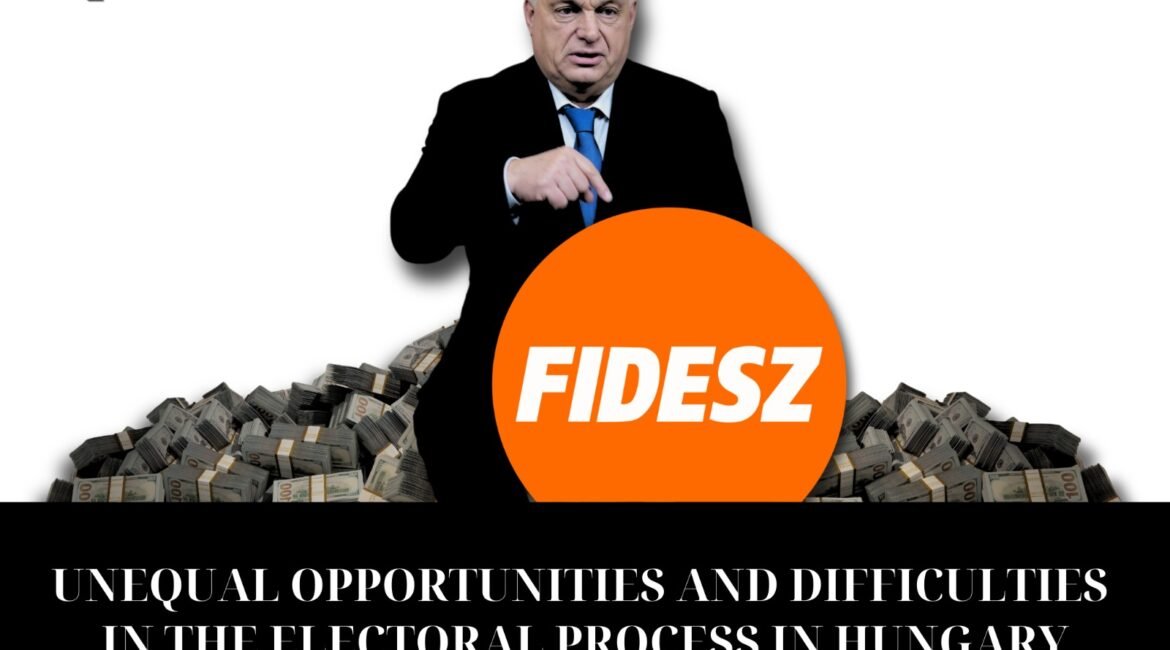
Before Viktor Orbán came to power in 2010, Hungary was a relatively free democracy with a high level of freedom of speech and media pluralism. Freedom House in its assessments defined Hungary as “a free democracy with a high level of civil liberties and political rights”. Over the more than...
How Fico is contributing to the corrupt degradation of the Slovak establishment
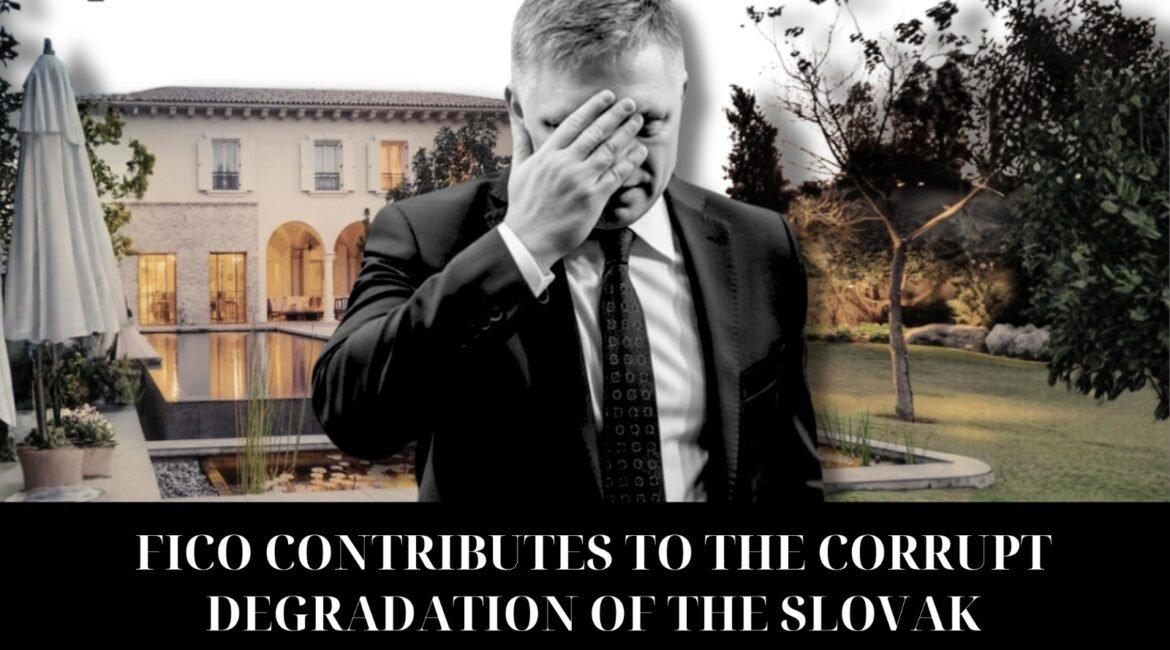
After joining the EU in 2004, the Slovak government began to make great efforts to build democratic institutions and a transparent law enforcement and judicial system. In fact, this was one of the key requirements for Slovakia when joining the European Union. Slovakia, as a country that was part of...