
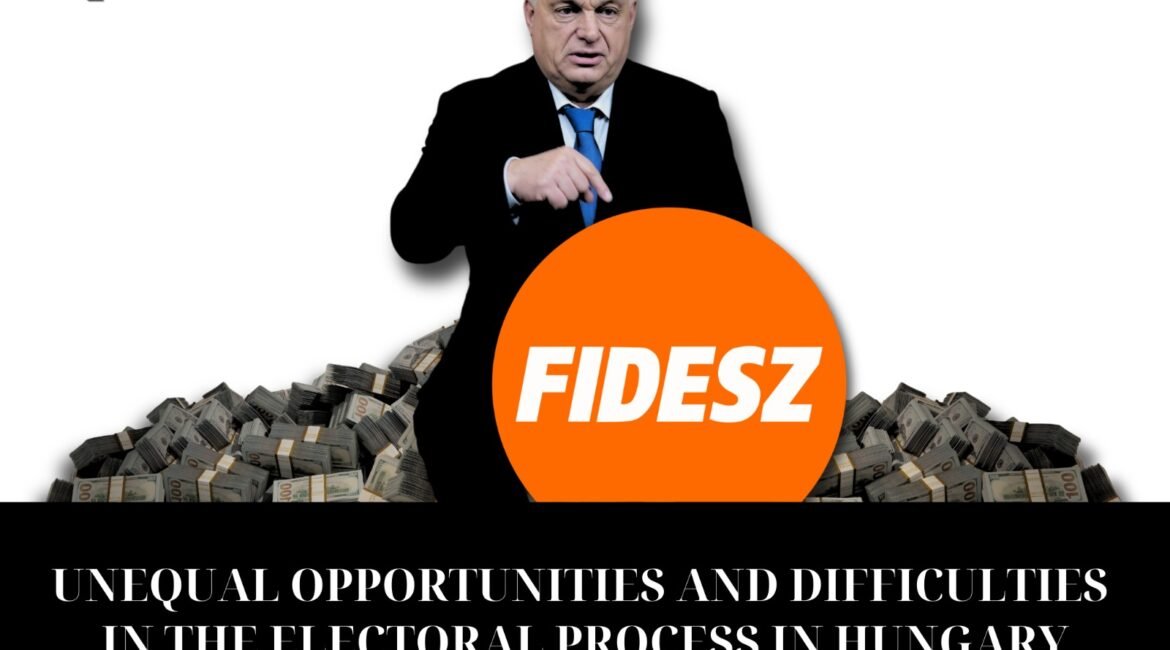
Before Viktor Orbán came to power in 2010, Hungary was a relatively free democracy with a high level of freedom of speech and media pluralism. Freedom House in its assessments defined Hungary as “a free democracy with a high level of civil liberties and political rights”. Over the more than...
How Fico is contributing to the corrupt degradation of the Slovak establishment
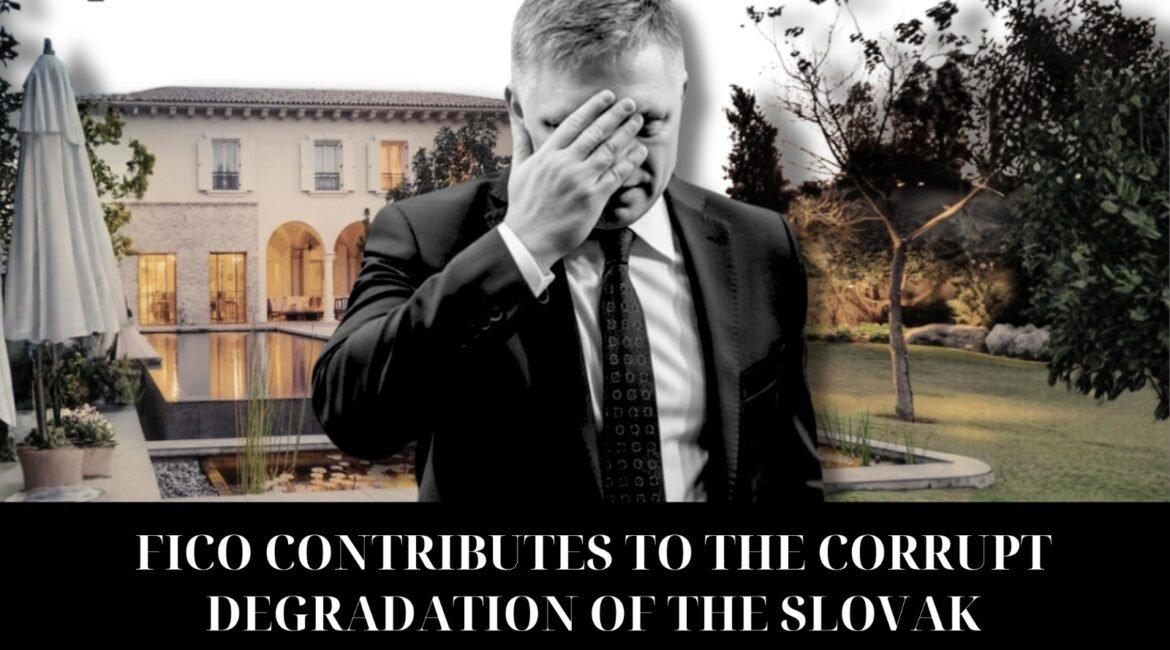
After joining the EU in 2004, the Slovak government began to make great efforts to build democratic institutions and a transparent law enforcement and judicial system. In fact, this was one of the key requirements for Slovakia when joining the European Union. Slovakia, as a country that was part of...
Russia’s energy terror in Ukraine has caused a shortage of charging stations in the EU
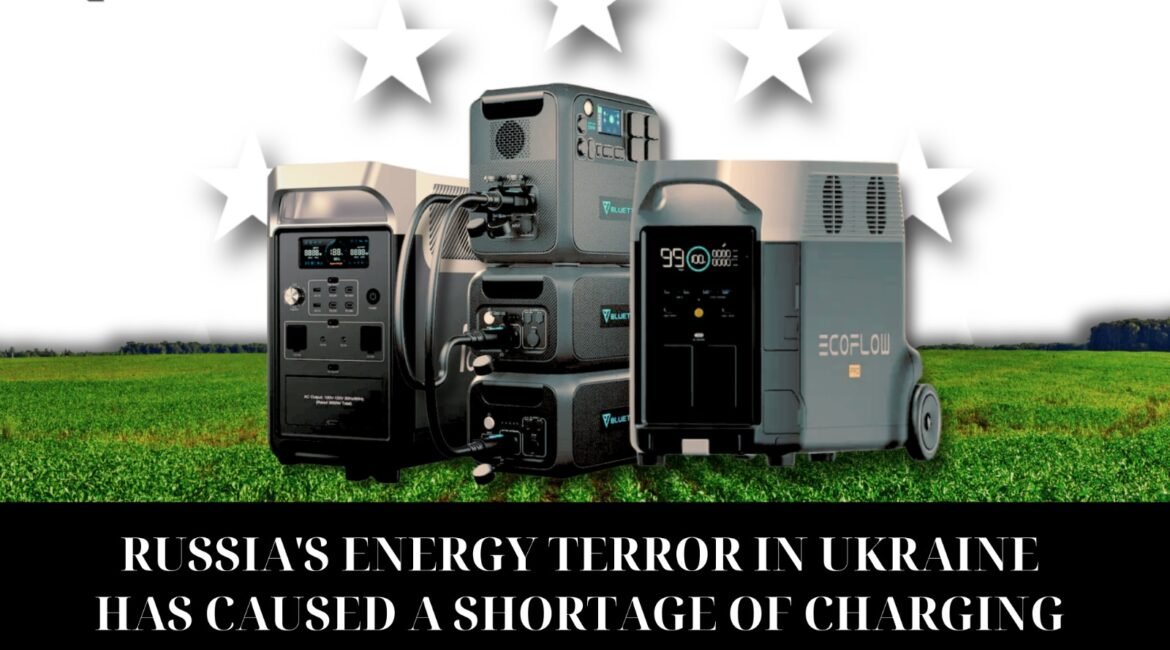
European countries have unexpectedly encountered a shortage of portable charging stations in their markets. As it turned out, this is due to permanent Russian air attacks on Ukrainian energy infrastructure. Massive attacks by Russian troops using missiles and drones against critical infrastructure in Ukraine have been ongoing for four consecutive...
The Hamburg case and the security of the EU’s defence infrastructure
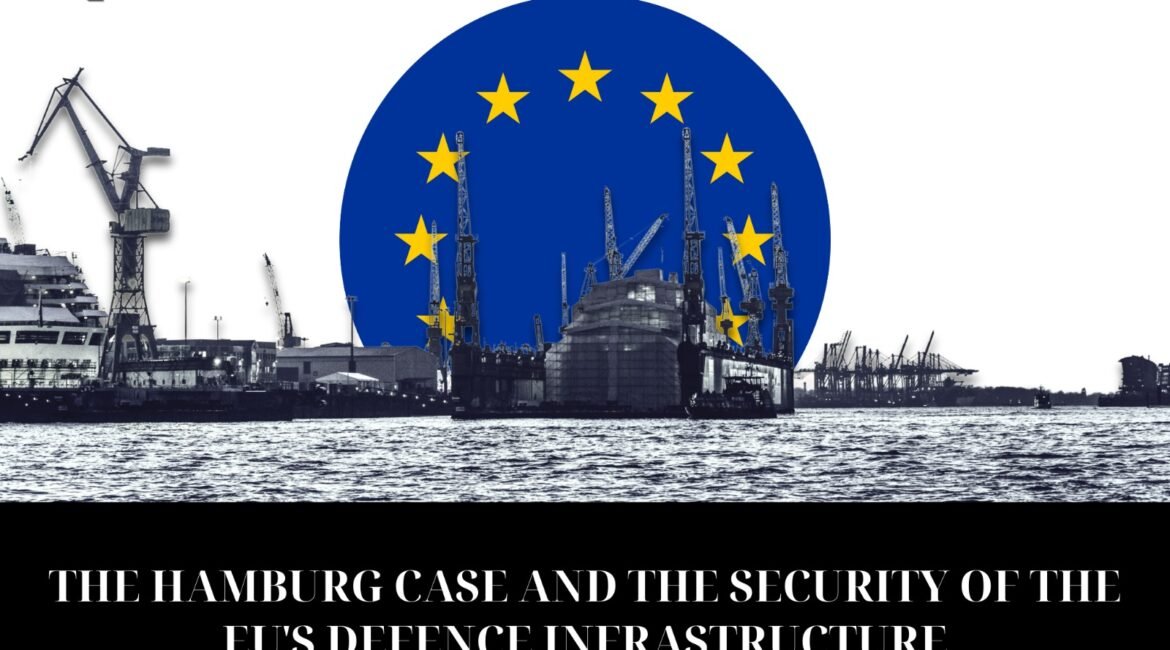
In early February 2026, German law enforcement agencies in Hamburg, together with their European partners, carried out a series of arrests on suspicion of sabotage of German military ships. This incident revealed not only the vulnerability of the modern defence industry, but also profound socio-political issues: who has access to...
Hybrid warfare at the Milan-Cortina 2026 Olympic arena
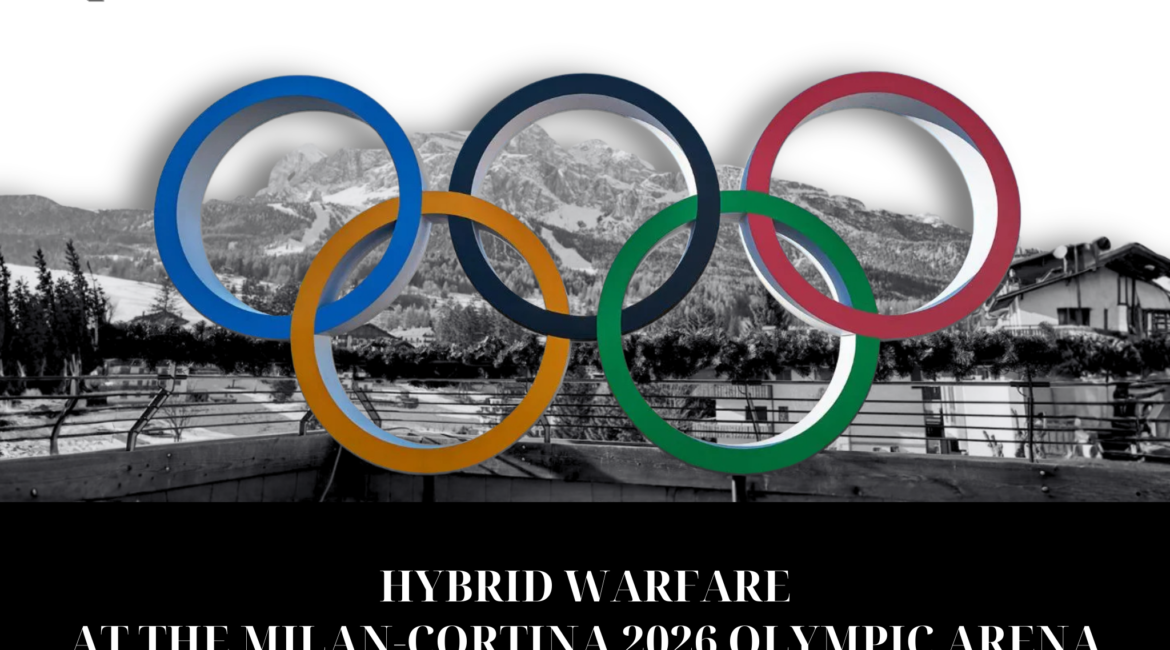
A few days before the opening ceremony of the XXV Winter Olympic Games in Milan and Cortina d'Ampezzo, Italian authorities announced the thwarting of a series of cyberattacks targeting Olympic venues and Italian government websites. Italian Foreign Minister Antonio Tajani publicly announced this, stating that the attacks had a "Russian...
From bilateral control to global instability after START III
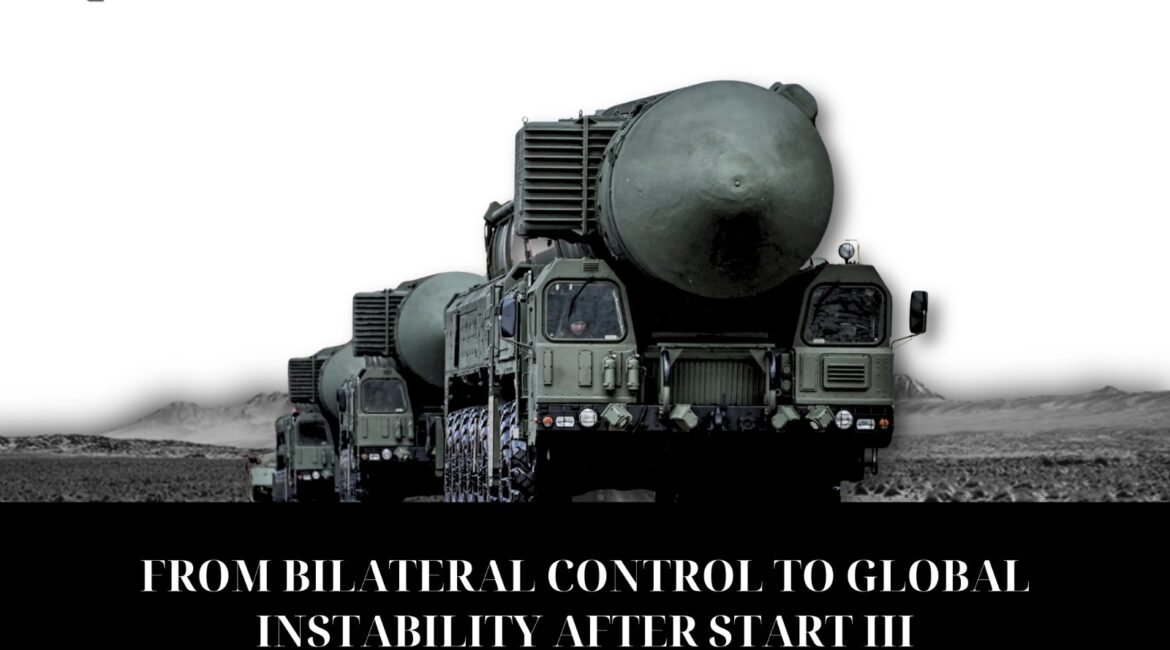
With the expiration of the Strategic Arms Reduction Treaty (New START) on 5 February 2026, the world is entering a new and potentially extremely dangerous phase of nuclear policy. The latest and most significant agreement on nuclear arms control, in force between the United States and Russia since 2011, has...
The Epstein Files, Mandelson and the Implications for British Politics
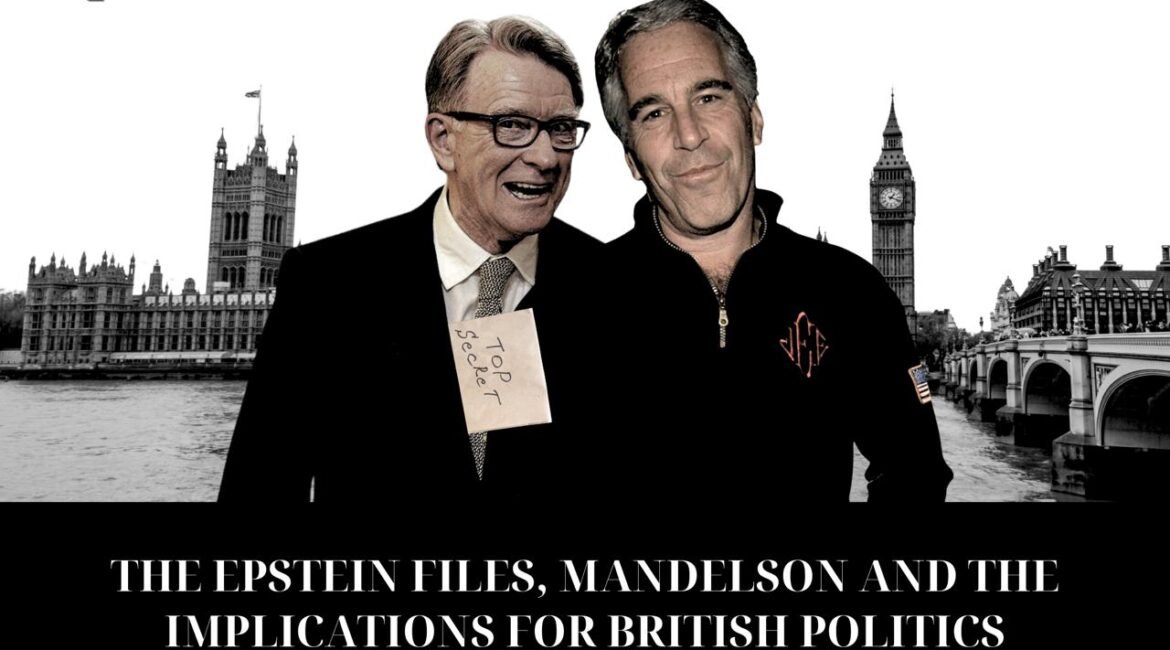
In early 2026, one of the most high-profile scandals of recent years erupted, involving Peter Mandelson, a Labour Party legend, former minister, European Commissioner and British Ambassador to the United States. A series of documents known as the Epstein Files, published by the US Department of Justice, revealed his long-standing...
Coalition on the brink, or how a dispute over appointments split Czech politics
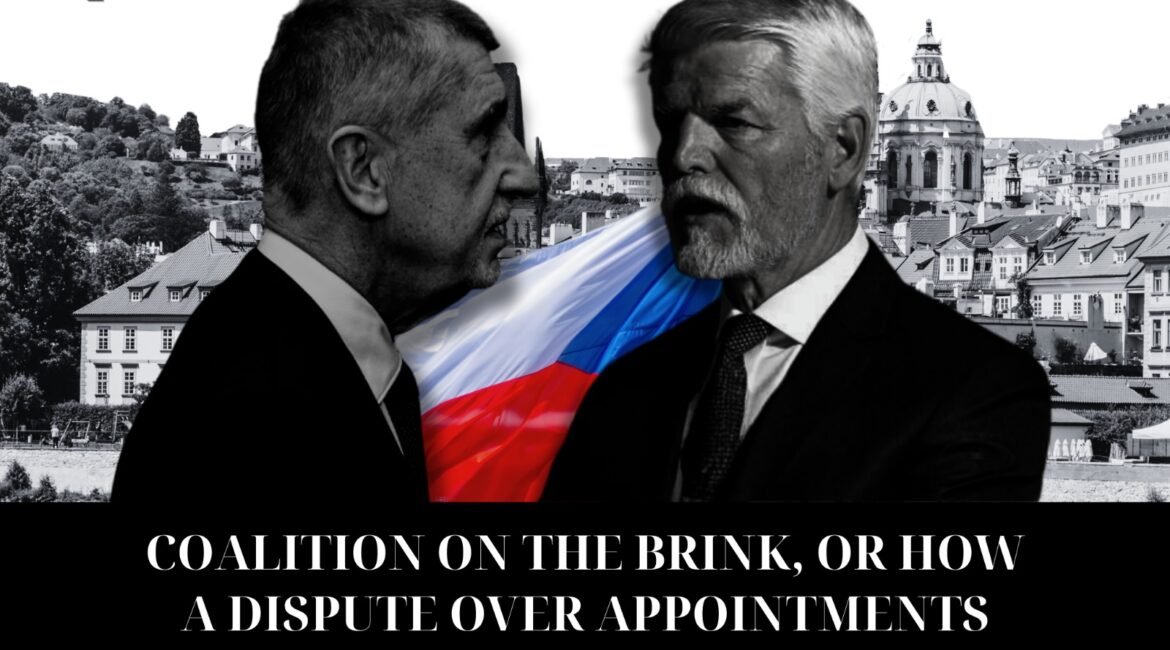
In late January and early February 2026, the Czech Republic experienced one of the most acute domestic political crises in recent years. The conflict between President Petr Pavel and Foreign Minister Petr Macháček, which erupted just a month after the formation of the new coalition government, quickly escalated from a...
The ‘Council of Peace’ – a new chapter in world politics or an attempt to rewrite the rules of the game
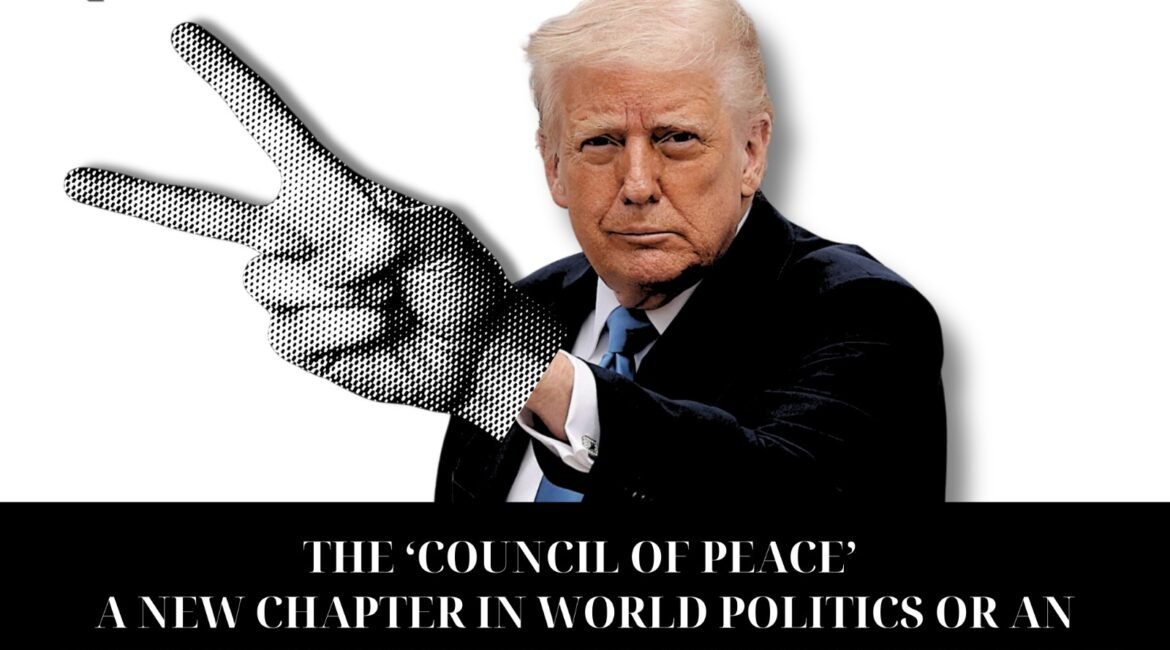
On 16 January 2026, on the sidelines of the World Economic Forum in Davos, US President Donald Trump officially announced the creation of a new international structure, the so-called ‘World Peace Council,’ which, according to him, should become a key instrument for conflict resolution and the restoration of affected territories....
The ‘shadow fleet’ and the European decision to close the Baltic Sea
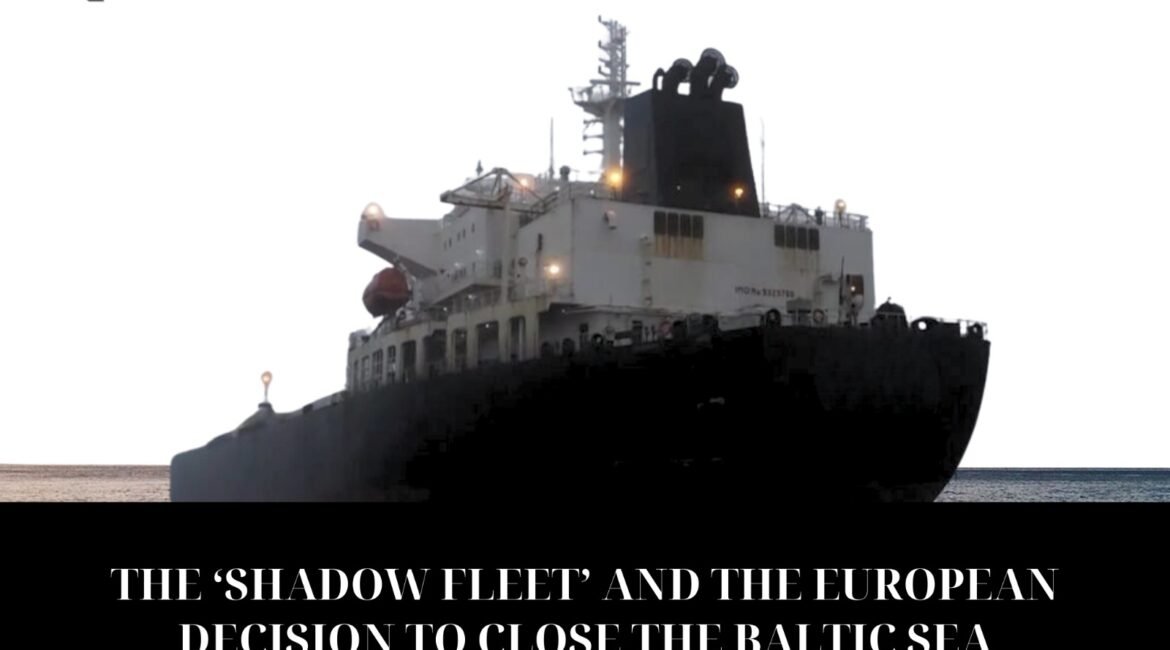
After Russia launched a full-scale war against Ukraine in February 2022, Europe and the G7 countries imposed extensive sanctions on the Kremlin's energy sector, including a ban on insurance, financial and service provision for Russian tankers transporting oil whose value exceeds the price cap. This restriction is intended to deprive...