
After Russia’s full-scale invasion of Ukraine, on 2 March 2022 the European Union imposed a complete ban on the export of Belarusian timber, while the Forest Stewardship Council (FSC) fully suspended all trade certificates for materials of Belarusian and Russian origin. This deprived Belarusian companies of the right to legally...
Why Russia’s shadow LNG fleet threatens the effectiveness of the European embargo
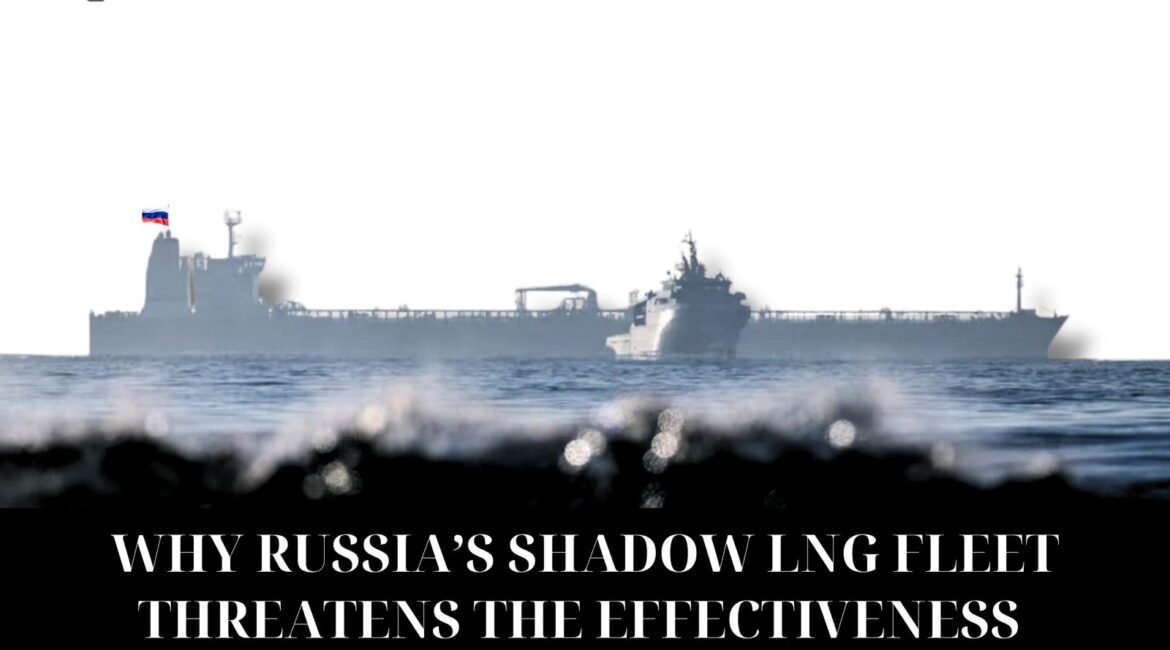
While European institutions prepare for the final embargo on Russian liquefied natural gas (LNG), scheduled for 1 January 2027, Moscow is rolling out an unprecedented special operation at sea in terms of its technical and legal complexity. Having failed to halt sanctions pressure through conventional diplomatic means, the Kremlin, together...
Freedom of speech as a loophole for Kremlin propaganda in the EU
After Russia’s full-scale invasion of Ukraine in 2022 and the European Union’s subsequent ban on state-controlled Russian media outlets such as RT and Sputnik, the Kremlin retained alternative channels for spreading its ideological and propagandistic narratives. One of the most effective has been niche book publishing across EU countries. Works...
Russia turns the Ceuta crisis into a weapon against European unity
The mass breakthrough of migrants from Morocco into the Spanish enclave of Ceuta has become not only a humanitarian and border crisis, but also an information pretext for Russian propaganda, which has begun using it to spread panic and destabilize Europe. Photographs of streets overflowing with migrants, people in the...
From sanctions to Europe’s shadow fuel market
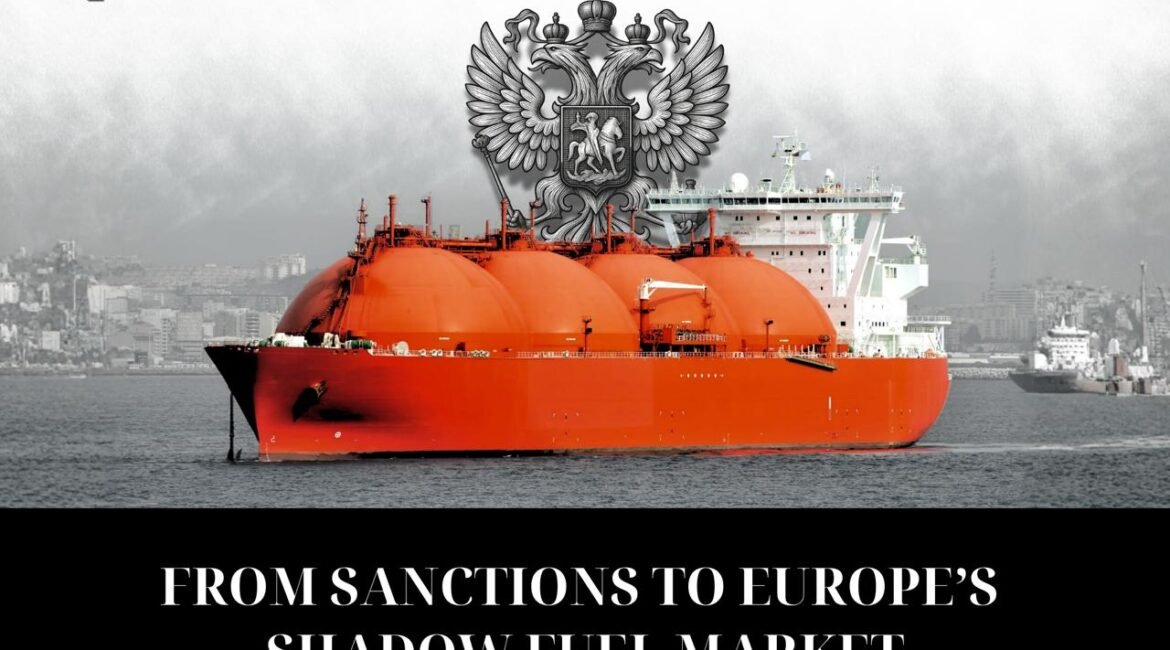
The energy “restructuring” of the European Union that began in 2022 was intended to deprive Moscow of revenue from raw material exports and to secure the European market. However, the rejection of direct supplies and the hasty redesign of logistics routes produced an unexpected side effect: while regulators and customs...
The Republika party in the European Parliament has become a mouthpiece for Russian narratives
On the far-right periphery of an informal pro-Russian grouping within the European Parliament are two Slovak Members of the European Parliament (MEPs), Milan Uhrik and Milan Mazurek, representing the political movement Republika. Established in 2021 by former members of the Slovak neo-fascist party ĽSNS, of which both individuals were previously...
How the Finnish Nornickel Harjavalta plant is helping Russia to make money despite the sanctions
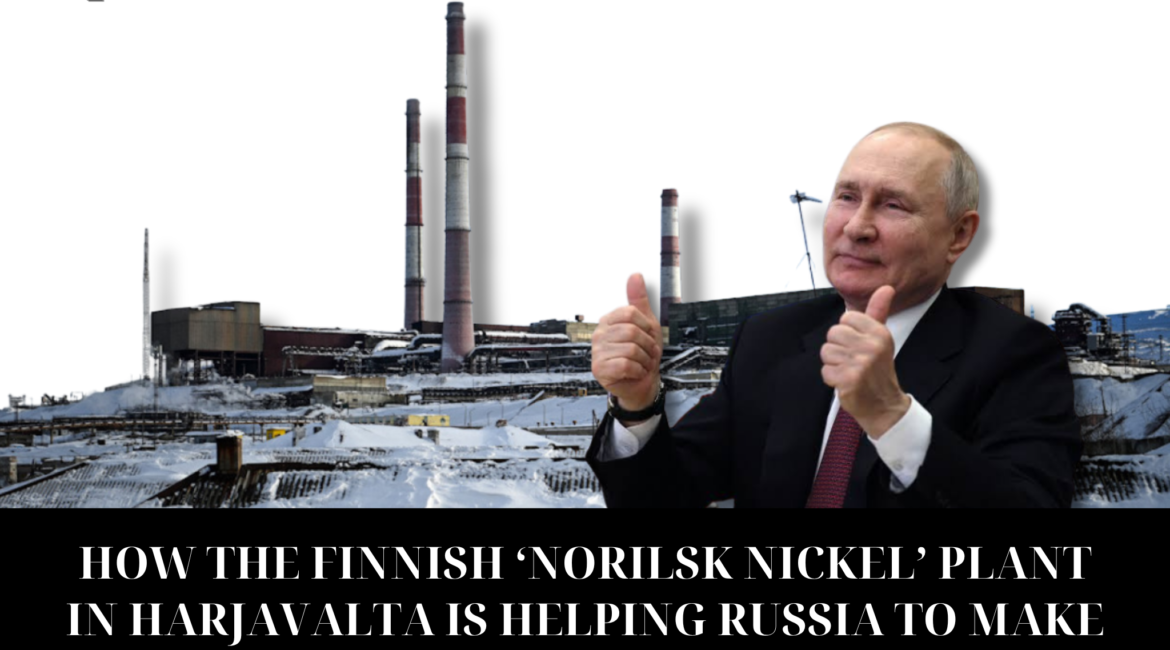
Finland is among the countries that support and consistently advocate for stronger sanctions against Russia. However, its trade statistics for 2026 have painted a contradictory picture: after a significant decline in Finnish-Russian trade volumes, imports from Russia have begun to rise again. The reason is the increased purchase of Russian...
Paris and Berlin call for reform of the EU diplomatic service
On 17 July 2026, the 26th Franco-German Council of Ministers took place at Augustusburg Castle in Brühl. Against the backdrop of the protracted military conflict in Ukraine and yet another crisis in the Middle East, Paris and Berlin issued a joint statement containing a direct ultimatum to Brussels’ foreign policy...
How AfD became a haven for former Stasi agents and officers

Alternative for Germany (AfD) positions itself as a political force that opposes the current political establishment of the Federal Republic of Germany, state bureaucracy, and allegedly excessive control by intelligence services. It also promises to fundamentally change both the domestic and foreign policy agenda if it comes to power. The...
The 21st sanctions package left Russian fish untouched
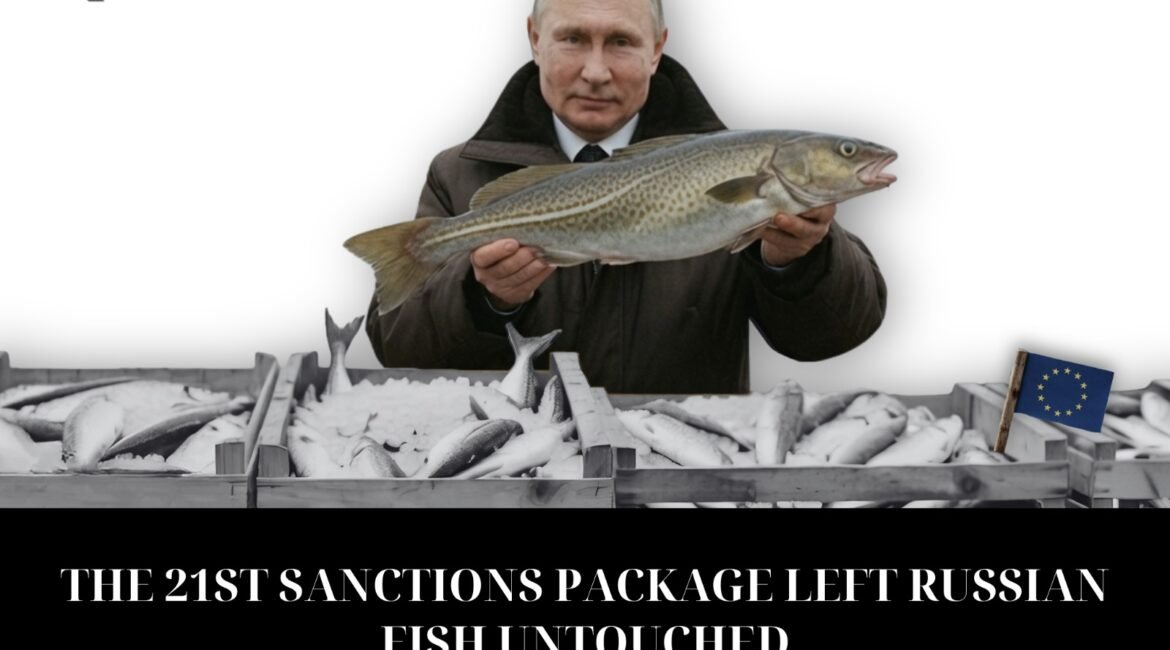
In July 2026, after weeks of debate and difficult negotiations, the Council of the European Union approved the 21st package of sanctions. Yet contrary to the loud political statements that preceded it, one of the most discussed sectors of the economy vanished entirely from the final document: fisheries. As early...