
Unequal opportunities and complexities of the electoral process in Hungary
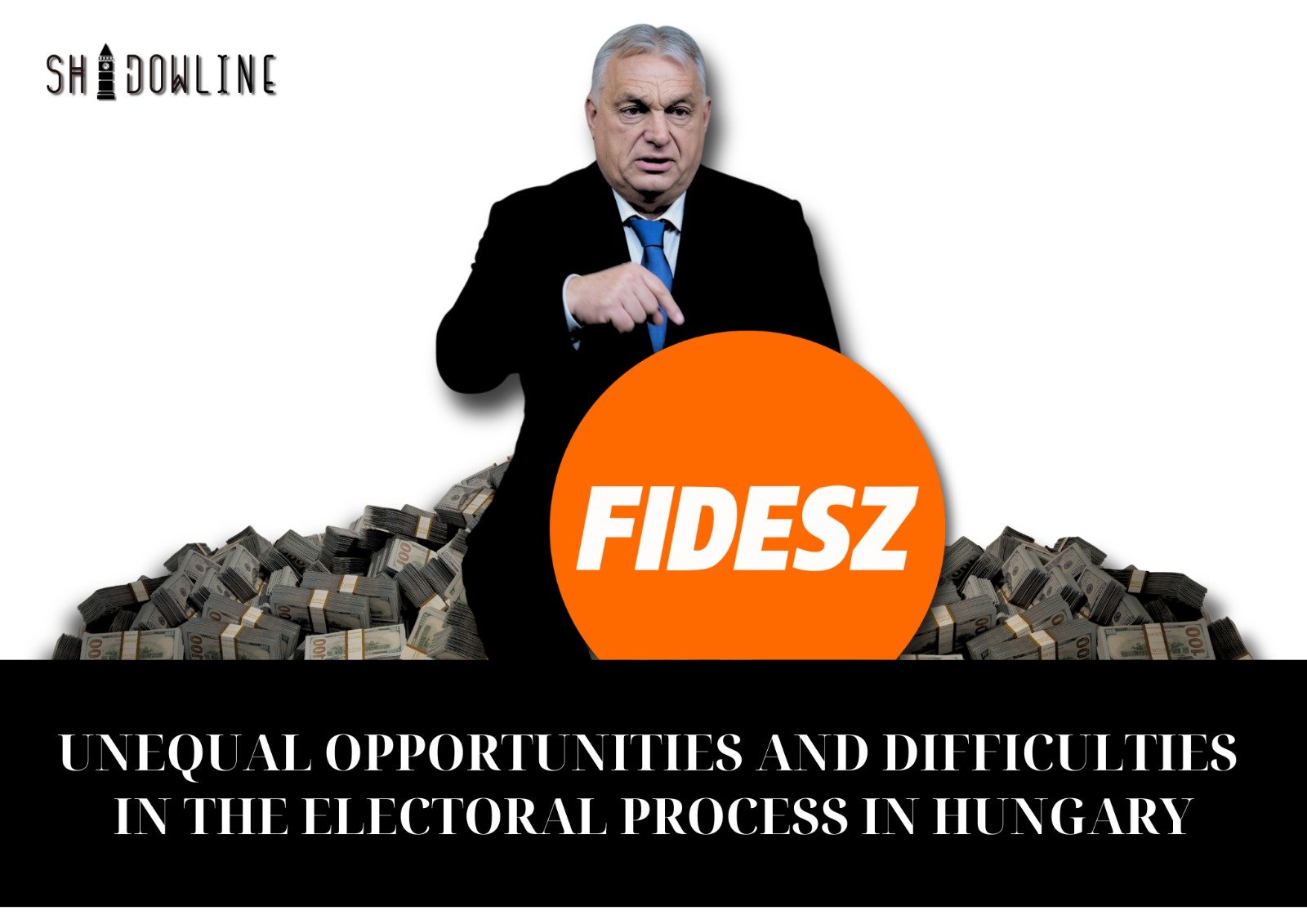
Before Viktor Orbán came to power in 2010, Hungary was a relatively free democracy with a high level of freedom of speech and media pluralism. Freedom House in its assessments defined Hungary as “a free democracy with a high level of civil liberties and political rights”. Over the more than…
How Fico is contributing to the corrupt degradation of the Slovak establishment
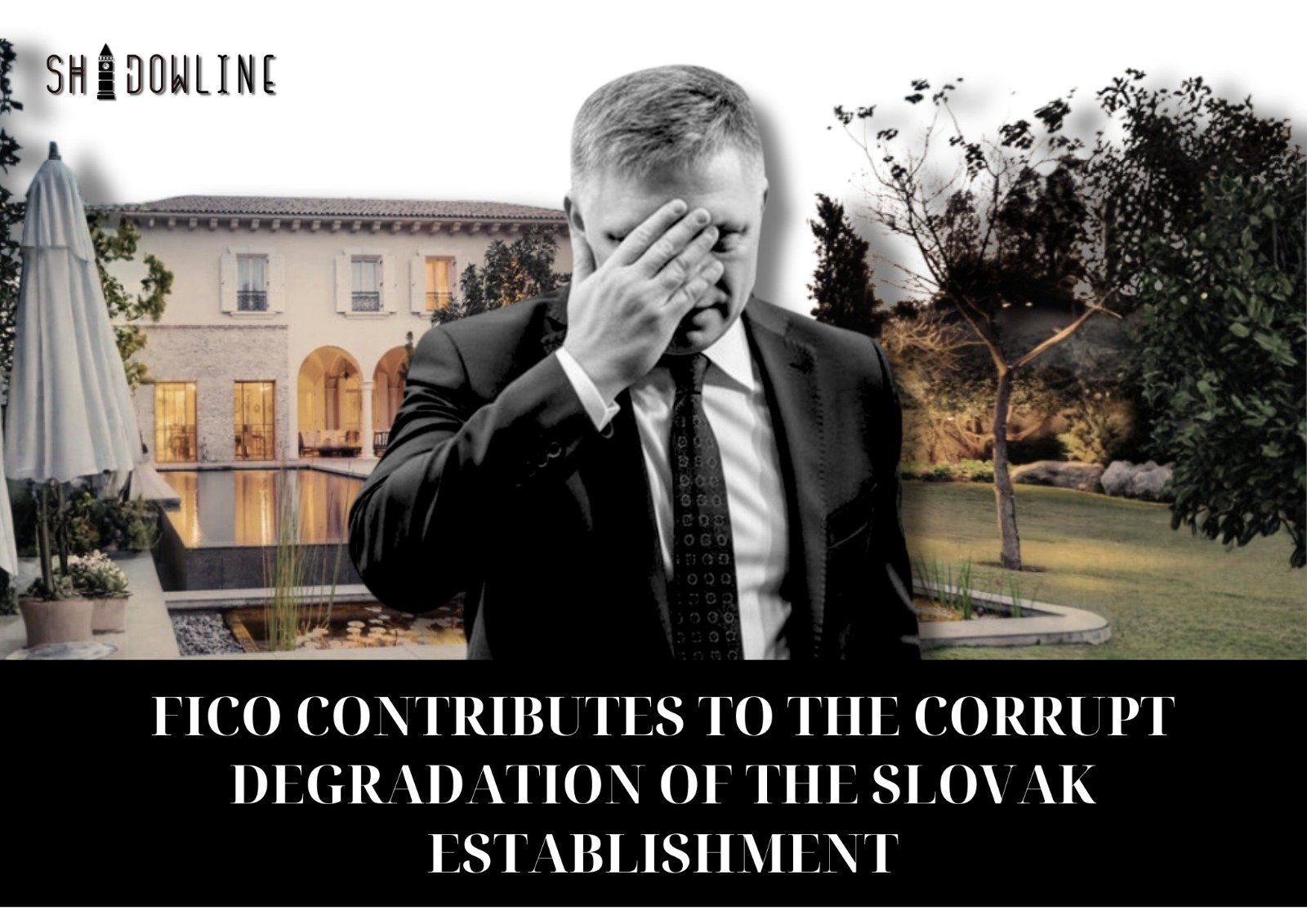
After joining the EU in 2004, the Slovak government began to make great efforts to build democratic institutions and a transparent law enforcement and judicial system. In fact, this was one of the key requirements for Slovakia when joining the European Union. Slovakia, as a country that was part of…
Russia’s energy terror in Ukraine has caused a shortage of charging stations in the EU
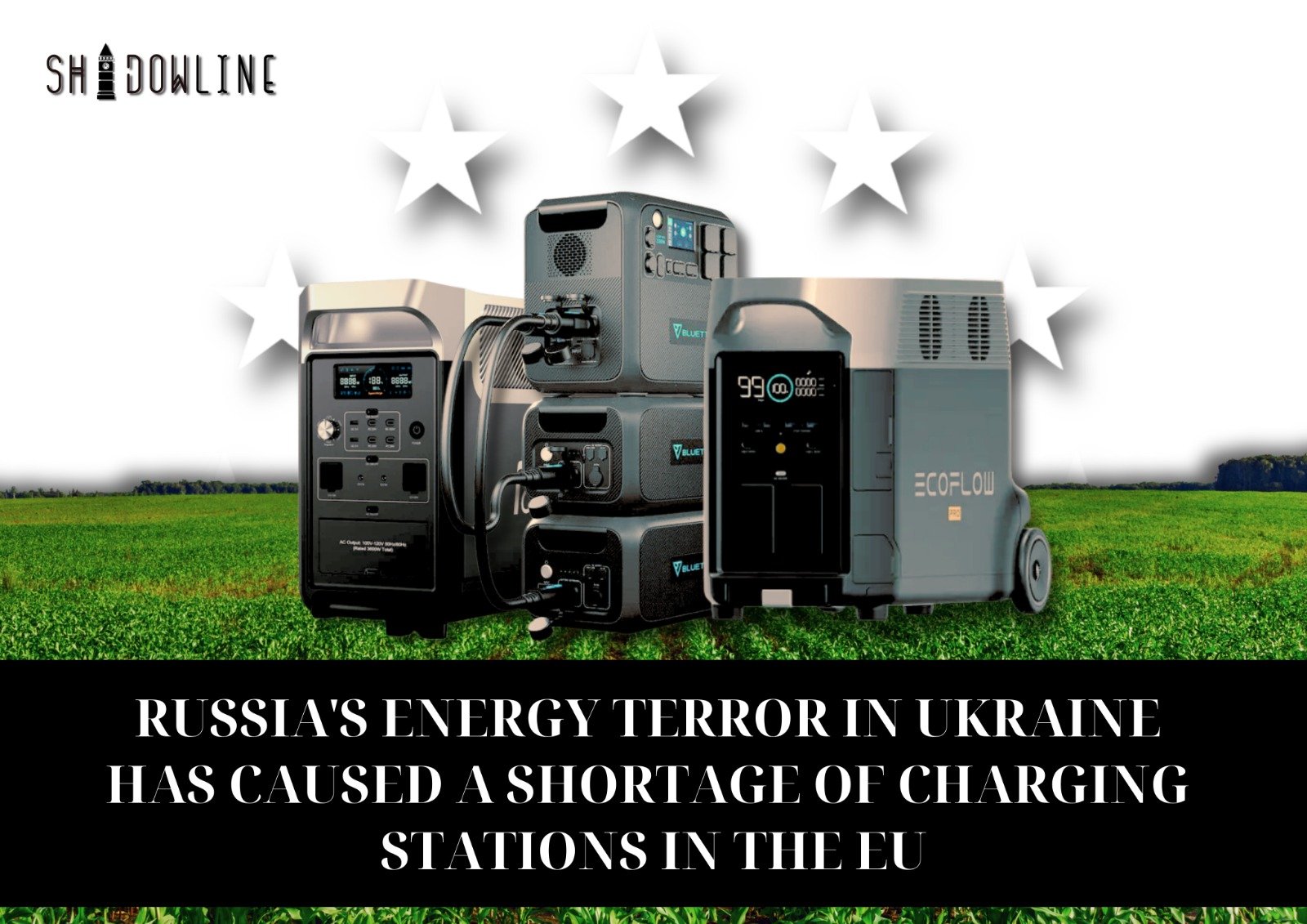
European countries have unexpectedly encountered a shortage of portable charging stations in their markets. As it turned out, this is due to permanent Russian air attacks on Ukrainian energy infrastructure. Massive attacks by Russian troops using missiles and drones against critical infrastructure in Ukraine have been ongoing for four consecutive…
The Hamburg case and the security of the EU’s defence infrastructure
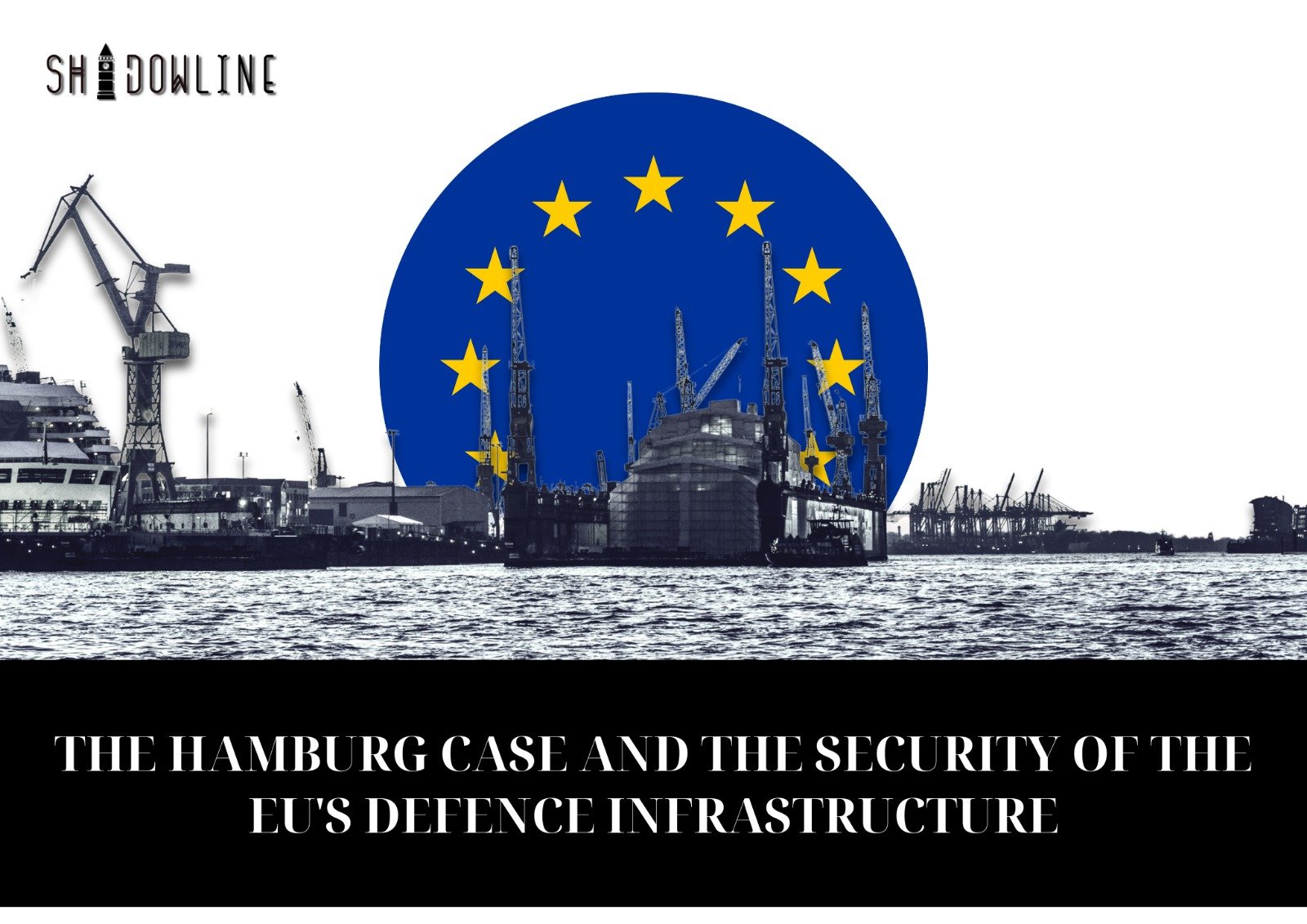
In early February 2026, German law enforcement agencies in Hamburg, together with their European partners, carried out a series of arrests on suspicion of sabotage of German military ships. This incident revealed not only the vulnerability of the modern defence industry, but also profound socio-political issues: who has access to…
Hybrid warfare at the Milan-Cortina 2026 Olympic arena
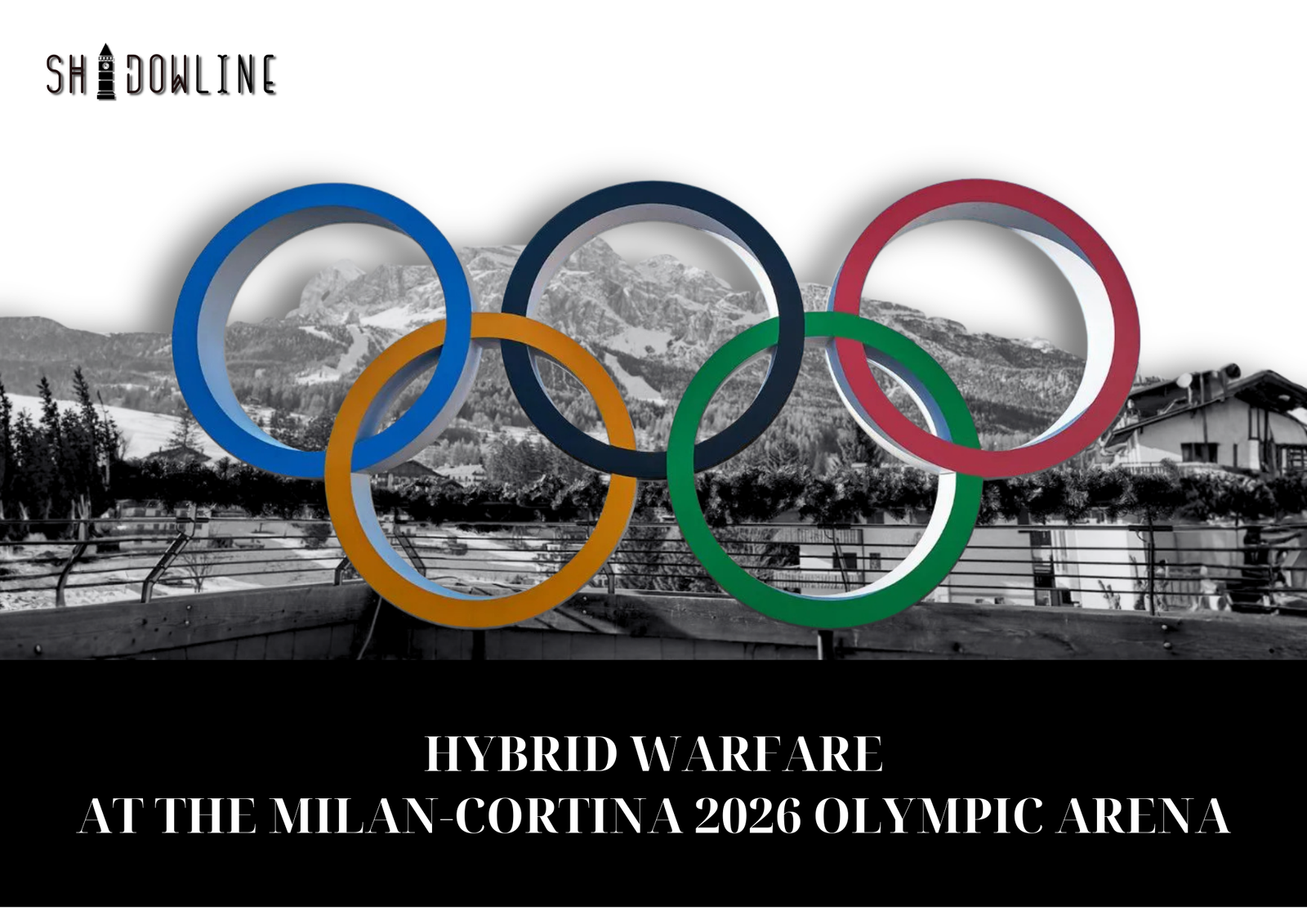
A few days before the opening ceremony of the XXV Winter Olympic Games in Milan and Cortina d’Ampezzo, Italian authorities announced the thwarting of a series of cyberattacks targeting Olympic venues and Italian government websites. Italian Foreign Minister Antonio Tajani publicly announced this, stating that the attacks had a “Russian…