

The World Economic Forum in Davos is traditionally seen as a neutral platform for discussing global issues and finding compromises between states, businesses and international institutions. However, in 2026, this format increasingly revealed its limitations. The forum, held under the motto ‘The Spirit of Dialogue,’ reflected the growing geopolitical tensions...
Orbán’s radical voice: Zsolt Bayer as a symbol of the authoritarian degradation of journalism
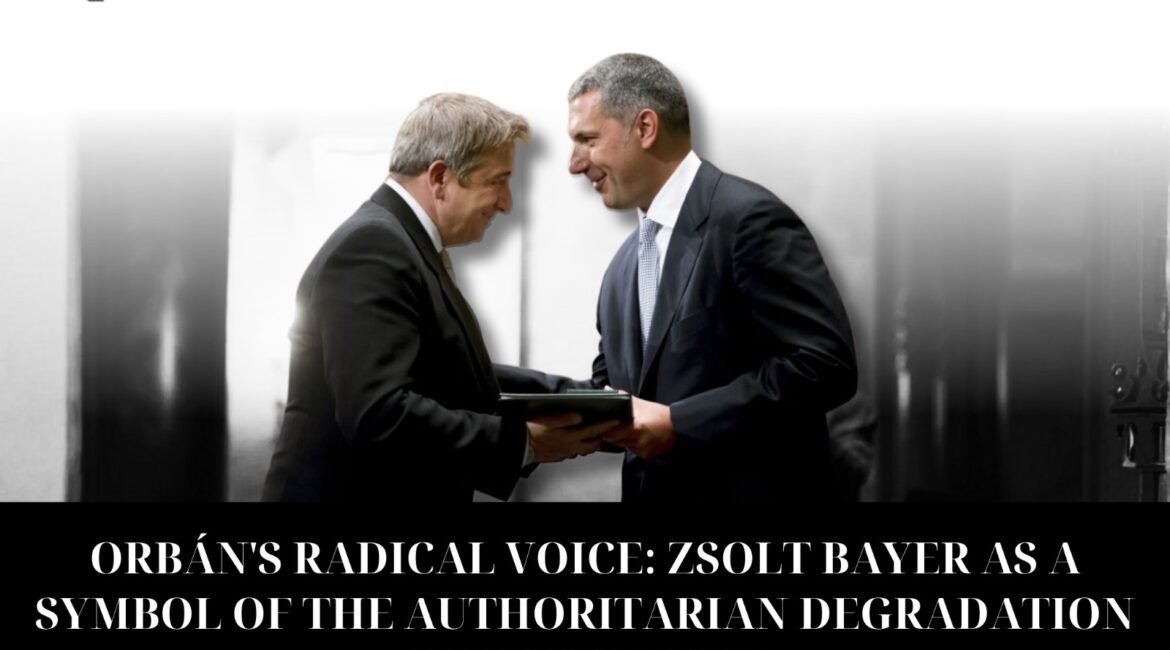
Zsolt Bayer is a Hungarian journalist, publicist and propagandist known for his pro-Russian, right-wing extremist, racist and ultra-nationalist views. He always interprets the domestic and foreign policy of Viktor Orbán's government in a manner loyal to the authorities, which makes him an important tool of modern Orbán propaganda in influencing...
Embassy or Trojan Horse: Diplomacy, Security and China’s Presence in London
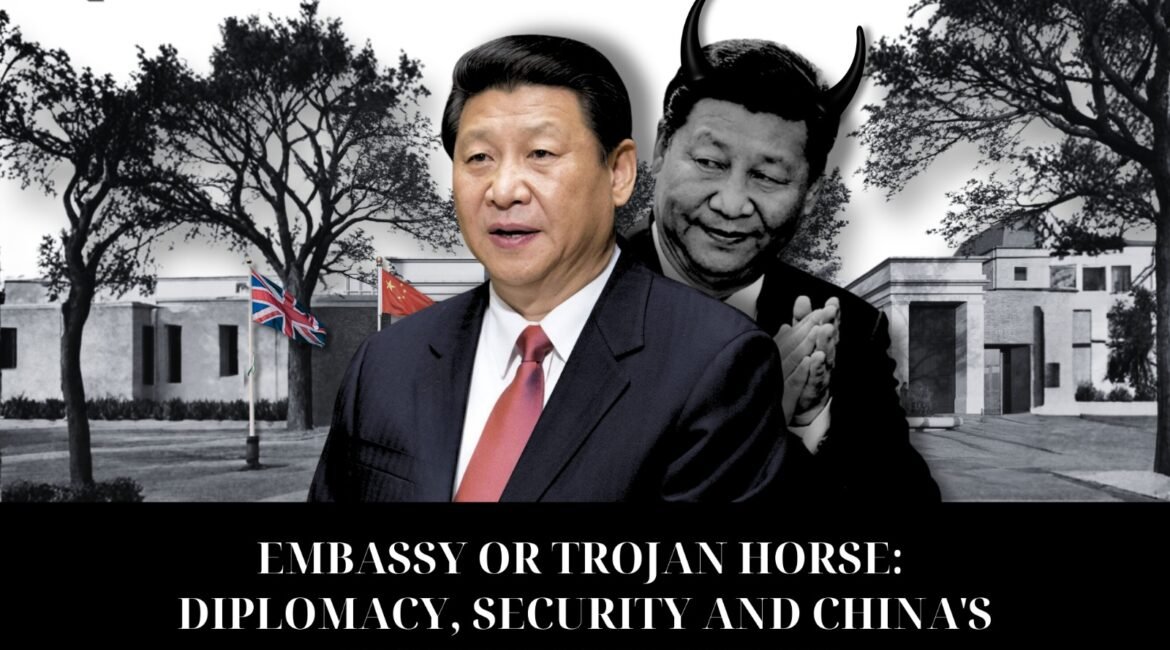
The issue of constructing a new embassy building for the People's Republic of China in London has evolved over several years from a construction project into a large-scale socio-political conflict involving issues of national security, diplomatic pressure and human rights. The story surrounding the so-called ‘super embassy’ reflects a broader...
Espionage among allies: Hungary’s role in a major espionage scandal in Brussels

The exposure of a spy network operating from the building of the Permanent Representation of Hungary to the European Union in Brussels was one of the most serious counterintelligence operations in recent years and has once again raised the issue of the stability and security of EU institutions. The joint...
The rise of the AfD: causes, rhetoric, and the Russian connection
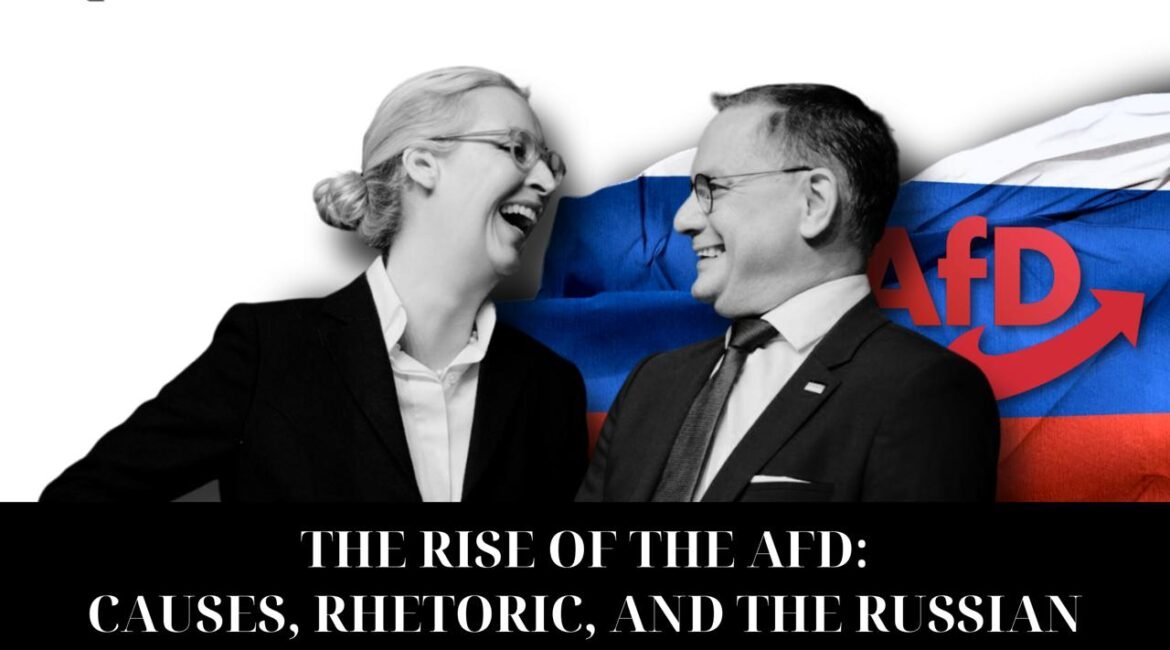
The rise in popularity of the Alternative für Deutschland (AfD) party is no longer a phenomenon but has become one of the serious challenges for German and European politics. While in the mid-2010s the AfD was perceived as a protest group of Eurosceptics, today it is confidently competing with traditional...
Fear as a strategy: what lies behind Orbán’s election rhetoric
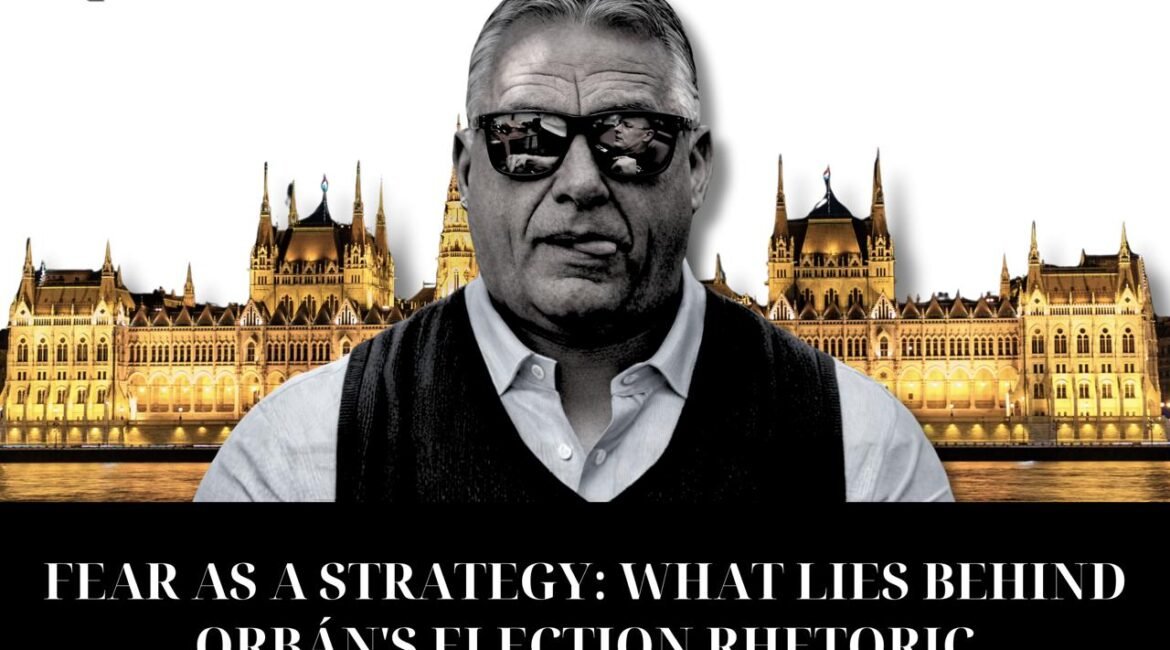
In early January 2026, Hungarian Prime Minister Viktor Orbán made one of the harshest and most candid pre-election statements of his entire time in power. Addressing Hungarian voters via social media and controlled media outlets with a call to support his Fidesz party in the elections, Orbán stated that the...
US operation in Venezuela: political motives, international reaction, and risks
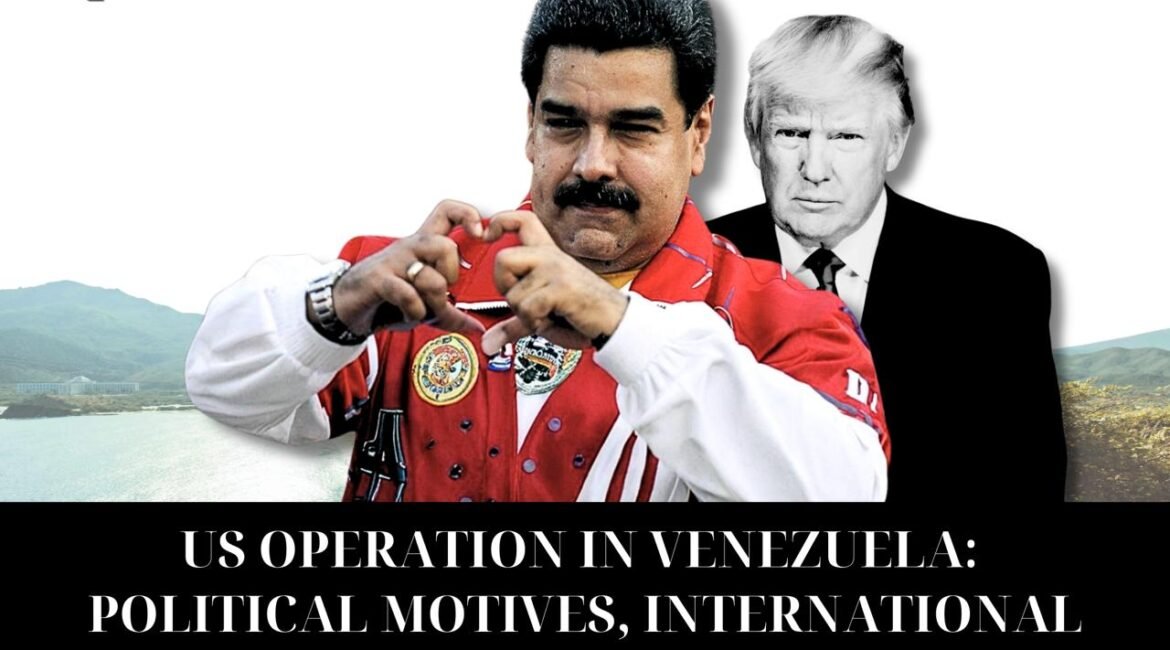
On the night of January 3, the US conducted an unprecedented military operation on Venezuelan territory, as a result of which American special forces captured the country's incumbent president, Nicolás Maduro, and took him to the US, where he is to stand trial on charges of narco-terrorism and participation in...
The NHS crisis: between reforms and reality
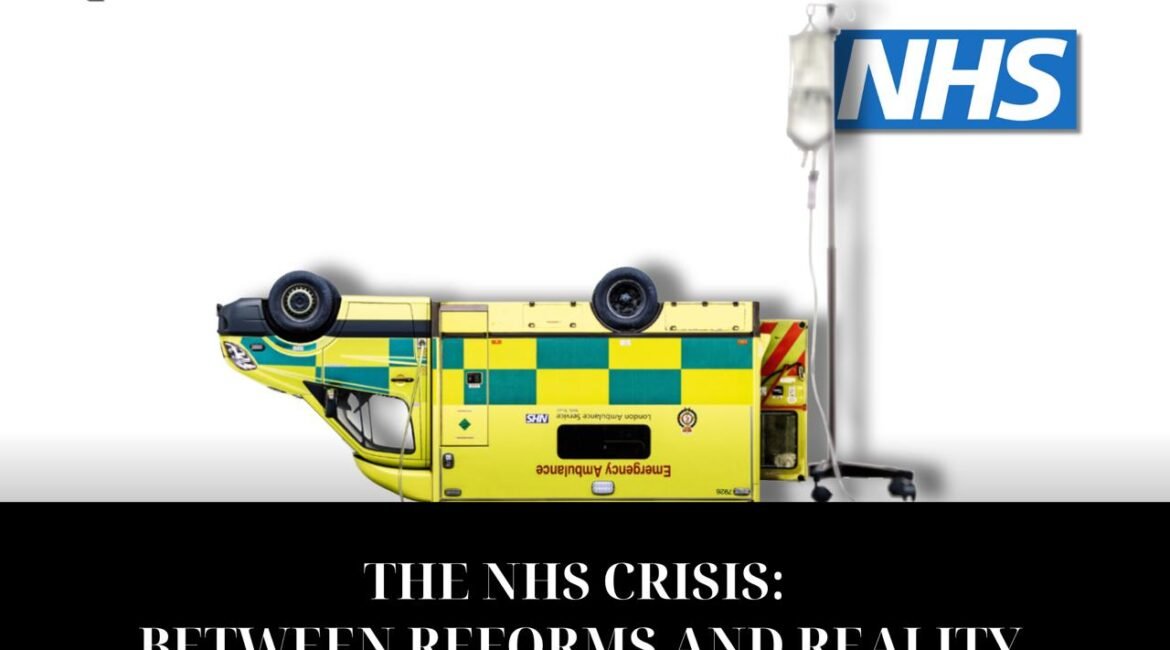
The maternity services of the UK's National Health Service (NHS) are currently experiencing one of their most challenging periods. What were recently perceived as isolated incidents of concern are now increasingly recognized as a systemic crisis affecting the safety of mothers and newborns across the country. Staff shortages, deteriorating conditions...
Sex scandal in Spain: lessons for Europe
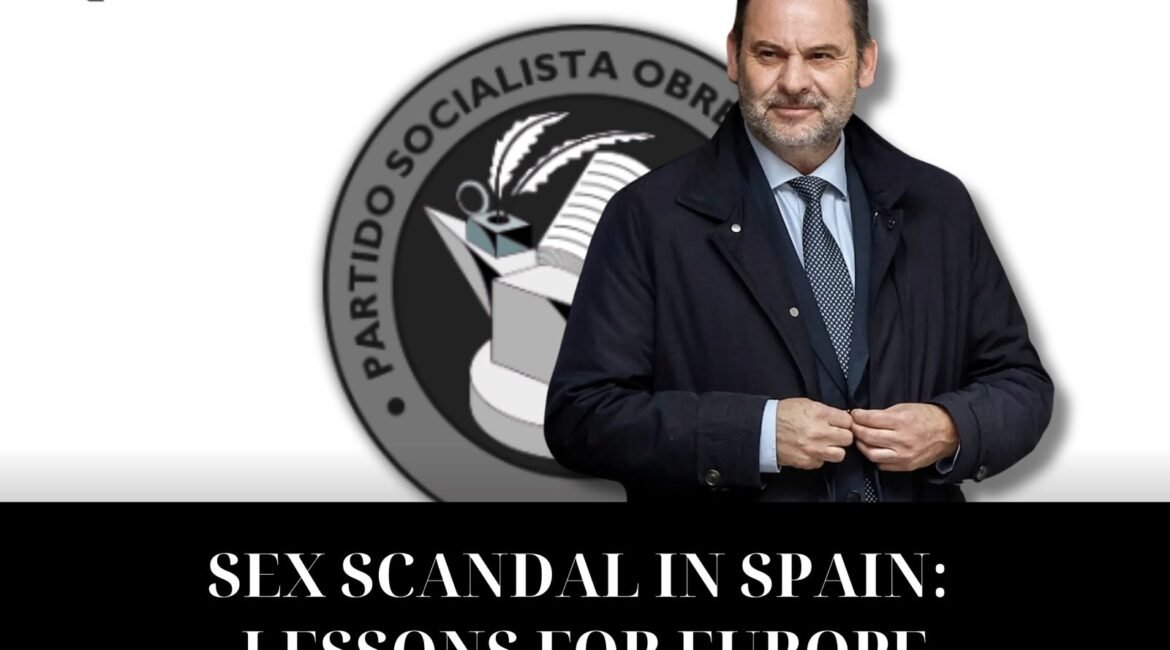
In December 2025, Spain was rocked by an unprecedented political scandal involving not only corruption, but also sexual harassment and inappropriate behaviour by high-ranking members of the Spanish Socialist Workers' Party (PSOE), which traditionally considers itself one of the main defenders of gender equality in the country. In the summer,...
A crisis of confidence and growing instability: the UK on the brink of 2026
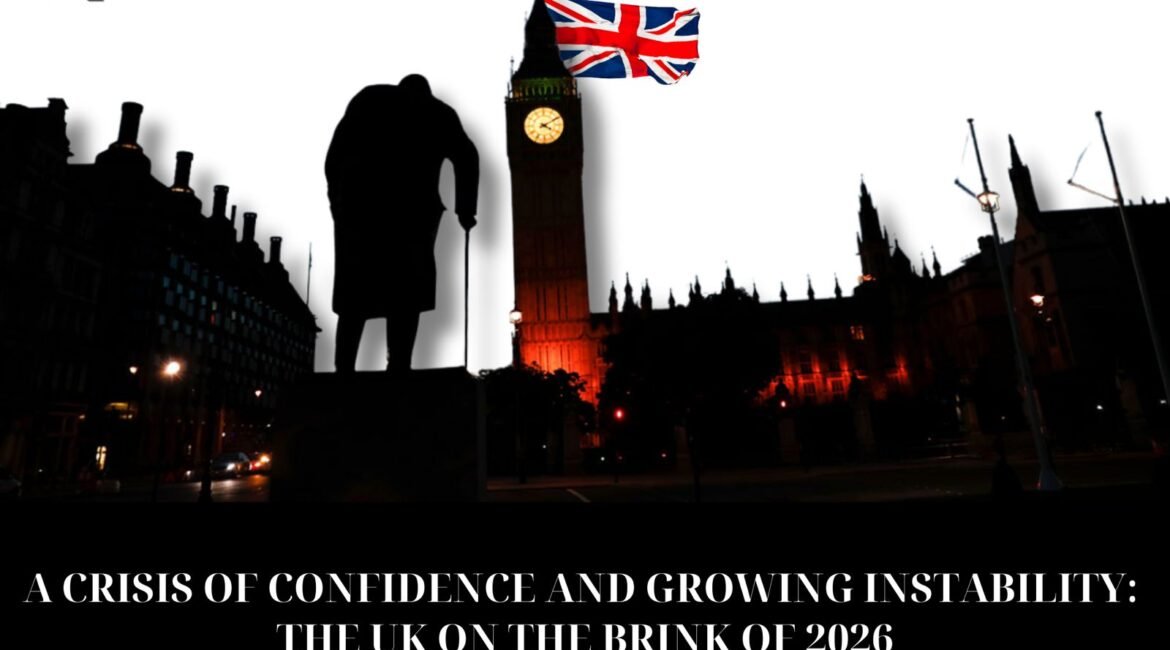
The year 2025 will go down in British history as another period of deepening socio-political division and slowing economic growth. The results of the outgoing year show that Prime Minister Keir Starmer's government has faced extremely low levels of trust, while economic indicators have faced difficult challenges that create a...