
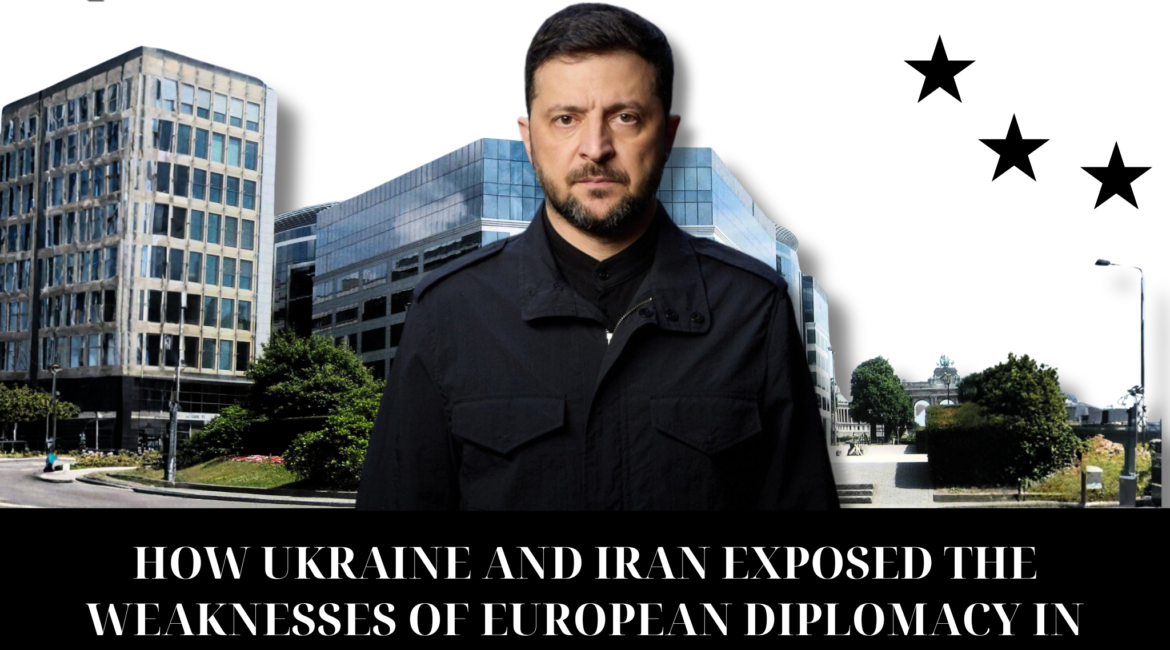
On 17 July 2026, the 26th Franco-German Council of Ministers took place at Augustusburg Castle in Brühl. Against the backdrop of the protracted military conflict in Ukraine and yet another crisis in the Middle East, Paris and Berlin issued a joint statement containing a direct ultimatum to Brussels’ foreign policy...
The Russian Orthodox Church in Europe as an instrument of the Kremlin’s hybrid warfare
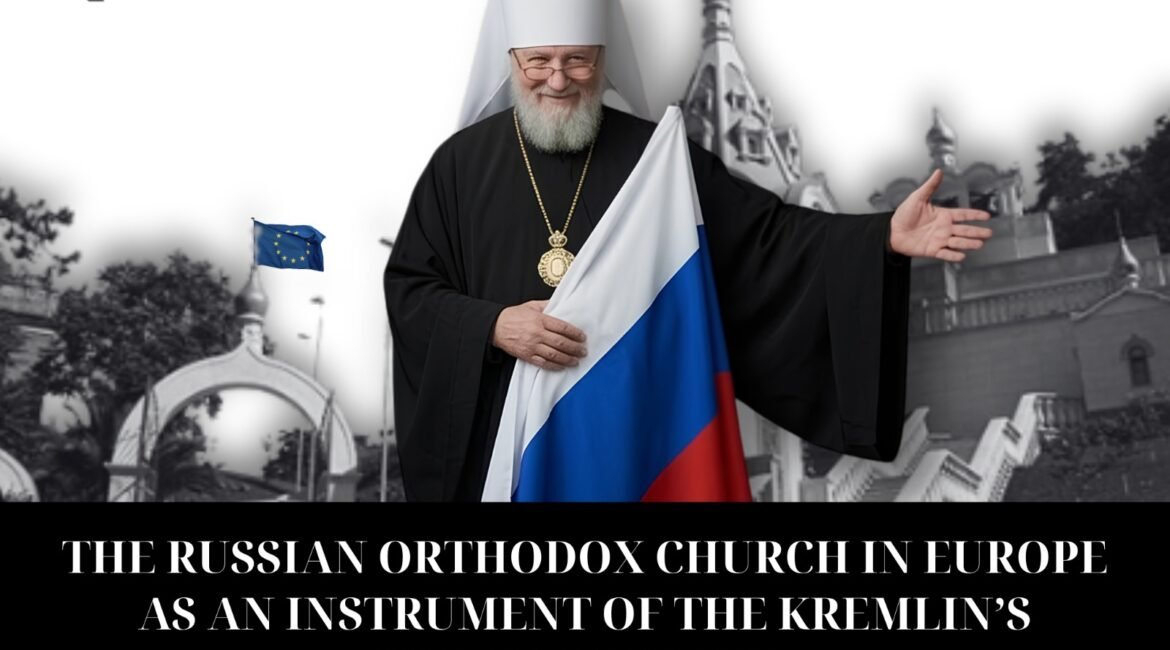
The Russian Orthodox Church (ROC) outside Russia performs functions that go far beyond ordinary religious ministry through its involvement in spreading propaganda, justifying aggression, and assisting the espionage activities of Russian special services. Its European network comprises more than 600 centres and includes churches, communities, and monasteries that may have...
How Greece saved Russian LNG from the sanctions
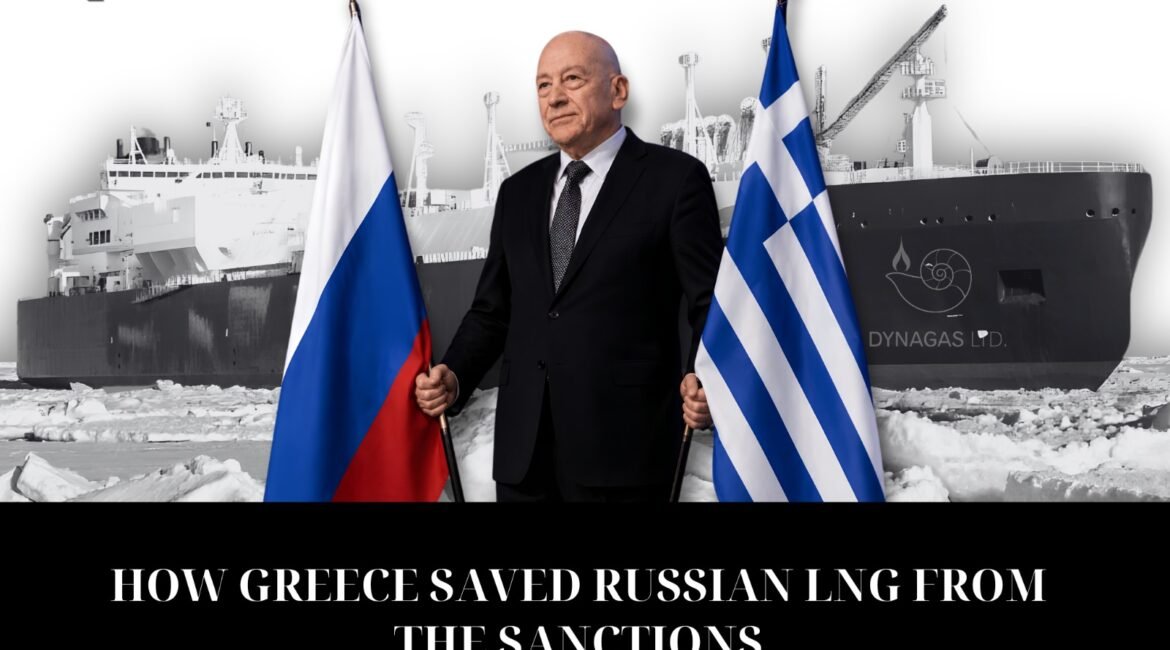
In July 2026, one of the most acute diplomatic crises since the start of the sanctions confrontation with Moscow erupted at the European Union headquarters in Brussels. The adoption of the EU’s 21st sanctions package — designed as a final blow to the Kremlin’s financial and energy revenues — was...
Italy’s military secrets in the hands of Moscow: arrests, diplomatic expulsions, and lessons for NATO
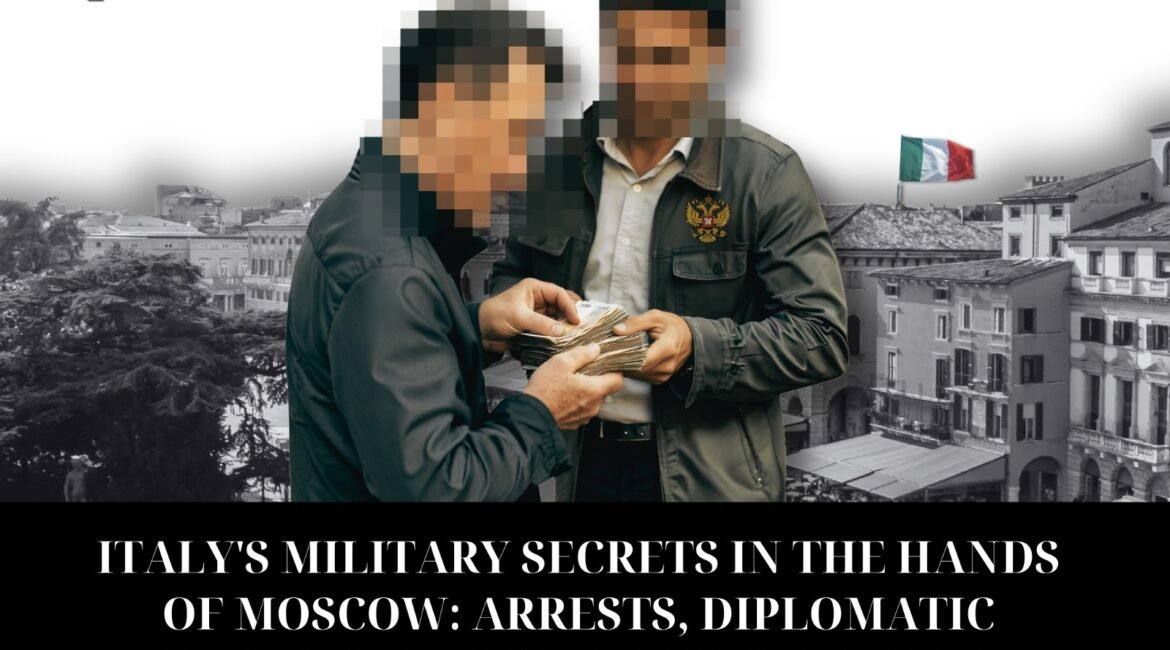
The spy scandal that erupted in Italy in June–July 2026 confirmed that Russian military intelligence has not ceased its active operations in the country, focusing on its military secrets, defense-industrial complex, and military supplies to Ukraine. On 7 July 2026, carabinieri in Rome arrested two former employees of the Italian...
Science under sanctions: how Russian researchers circumvent EU restrictions
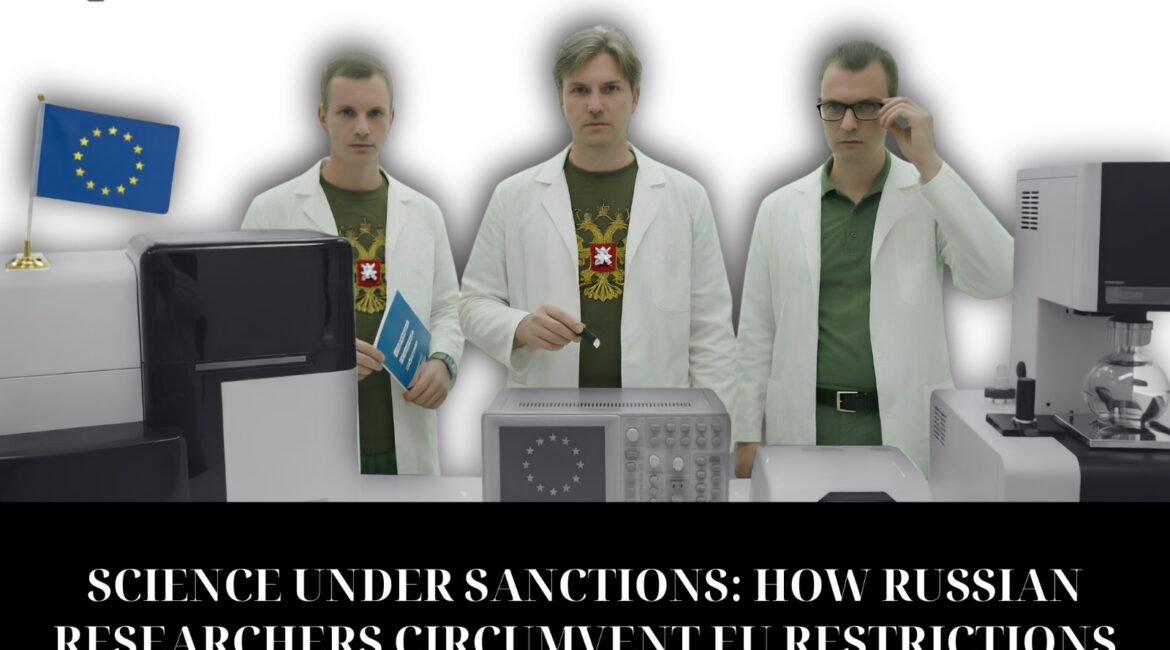
On 30 November 2024, the European Organization for Nuclear Research (CERN) officially terminated its agreements with residents of the Russian Federation in the field of fundamental scientific cooperation. Approximately 500 Russian specialists were denied access to the infrastructure of the Large Hadron Collider and leading European laboratories. This decision became...
How sanctions forced the Kremlin to nationalize its shadow fleet
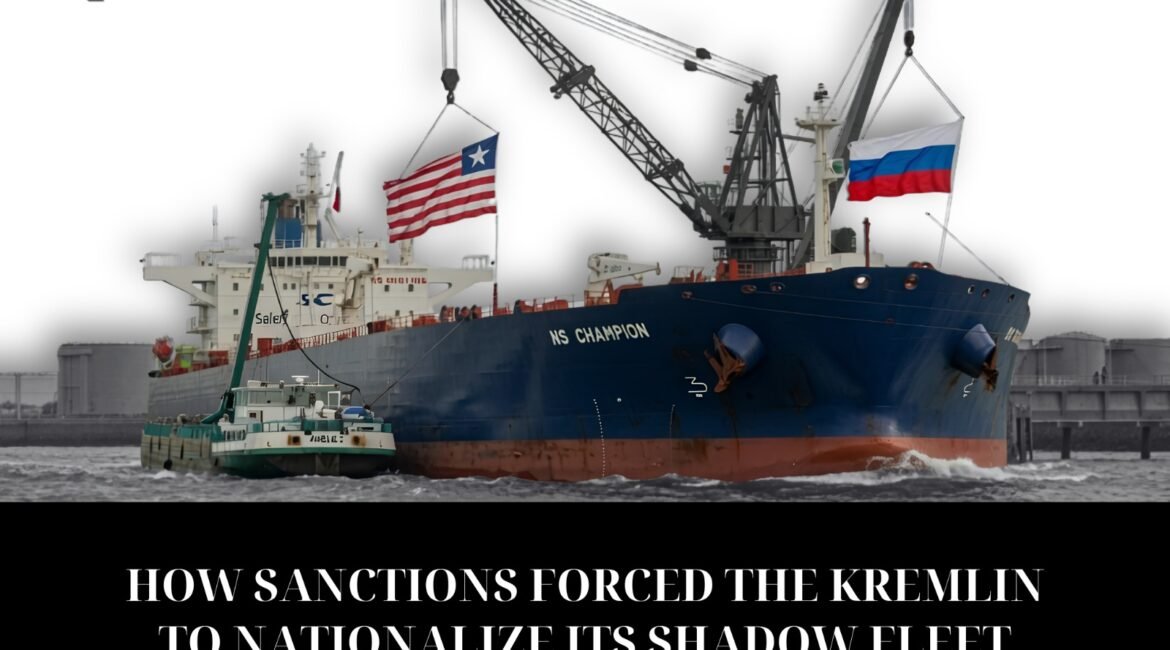
Restrictions against Russia’s “shadow” fleet have proven quite effective. Frequent detentions of vessels and the risk of secondary sanctions against countries that provided their registration played a key role. This forced these jurisdictions to begin revoking the registration of tankers involved in the transportation of sanctioned Russian oil. As a...
Hybrid threat inside the EU: Why the ESN faction poses a danger
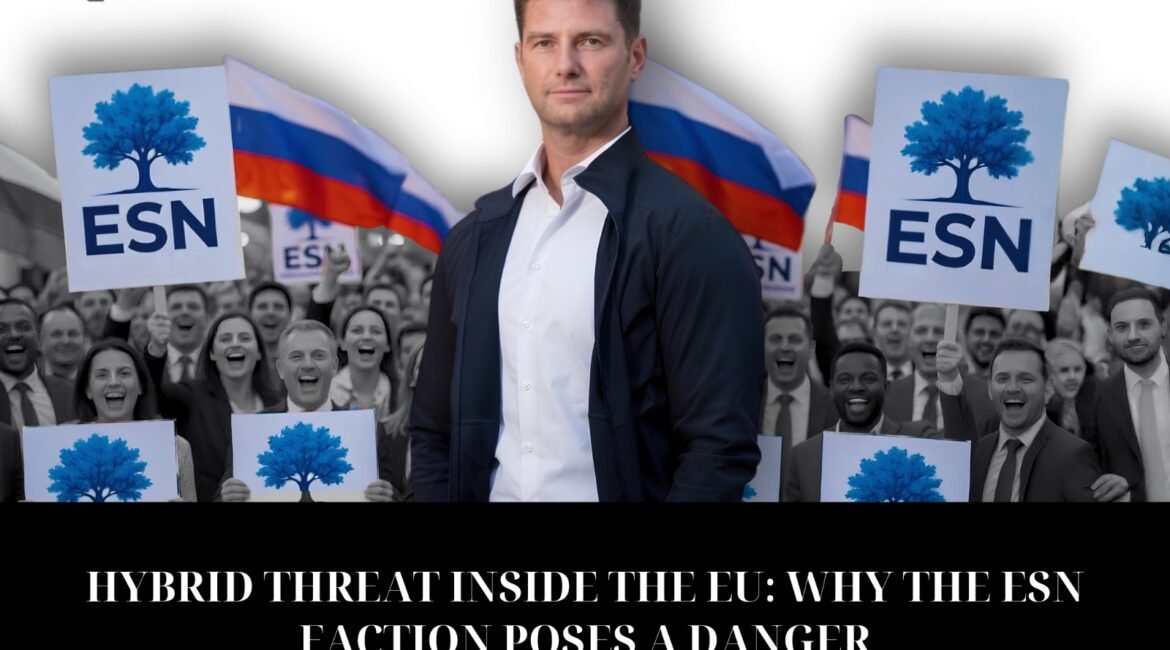
The ESN party (Europe of Sovereign Nations) was founded on the initiative of the Alternative for Germany (AfD) in the summer of 2024, based on the former far-right group “Identity and Democracy” (ID), which had ceased to exist earlier that year due to internal splits and a reconfiguration of far-right...
How Russia uses deepfakes and bots to divide Germany
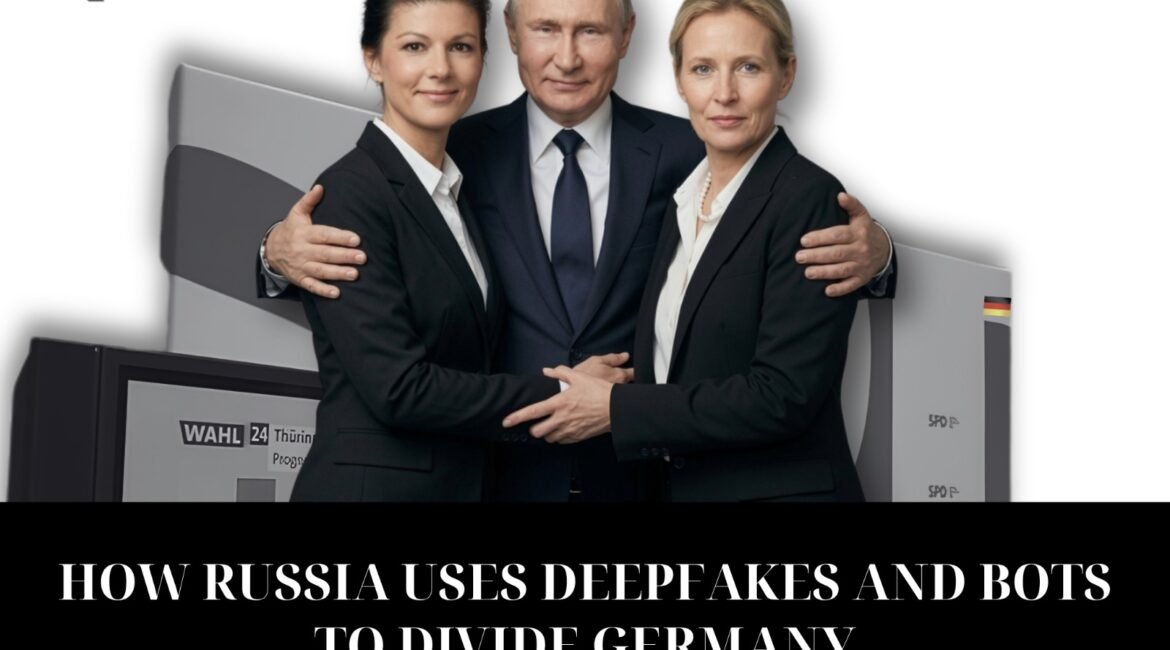
Trying to influence the political landscape in Germany ahead of the state elections (Landtagswahlen) in September 2026, Russia has launched a new wave of disinformation campaigns on social media. The operation aims to undermine Germans’ trust in almost all major political parties in the Federal Republic of Germany — with...
The Kremlin prepares escalation against Poland: Analysis of scenarios and risks
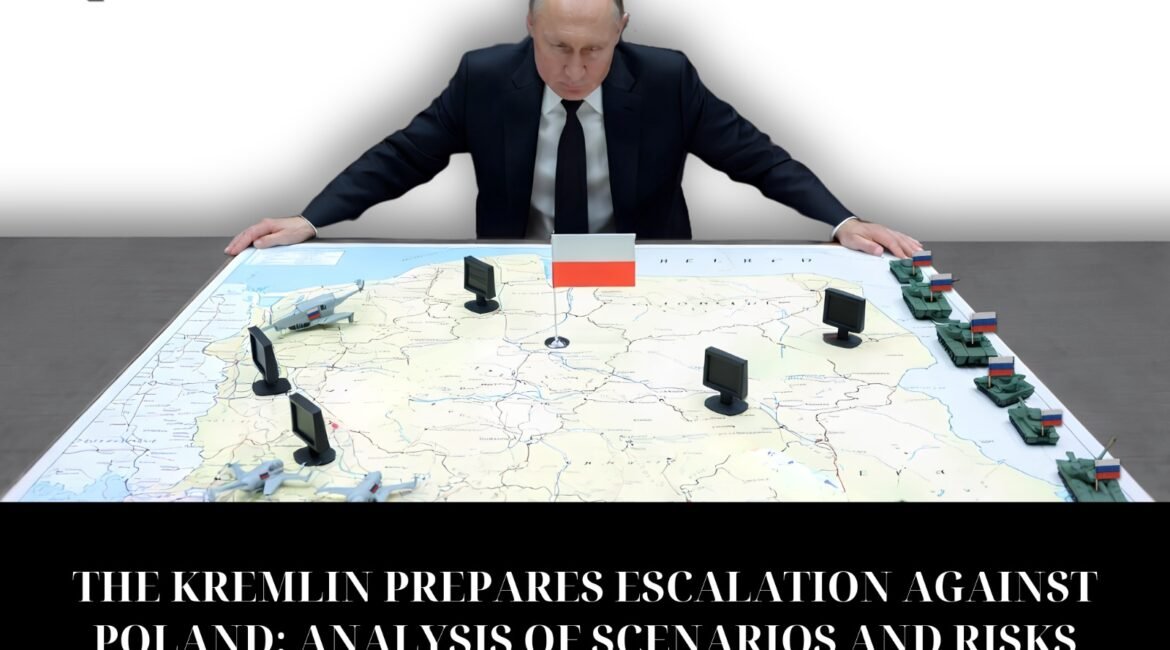
Since the very beginning of Russia’s full-scale invasion of Ukraine in 2022, Poland has acted not only as a key military and political partner for Ukraine but also as the primary transit hub through which the country receives Western weaponry. Russia has tried by all possible means to disrupt Europe's...
Jean-Luc Mélenchon’s anti-NATO stance and its implications for European security
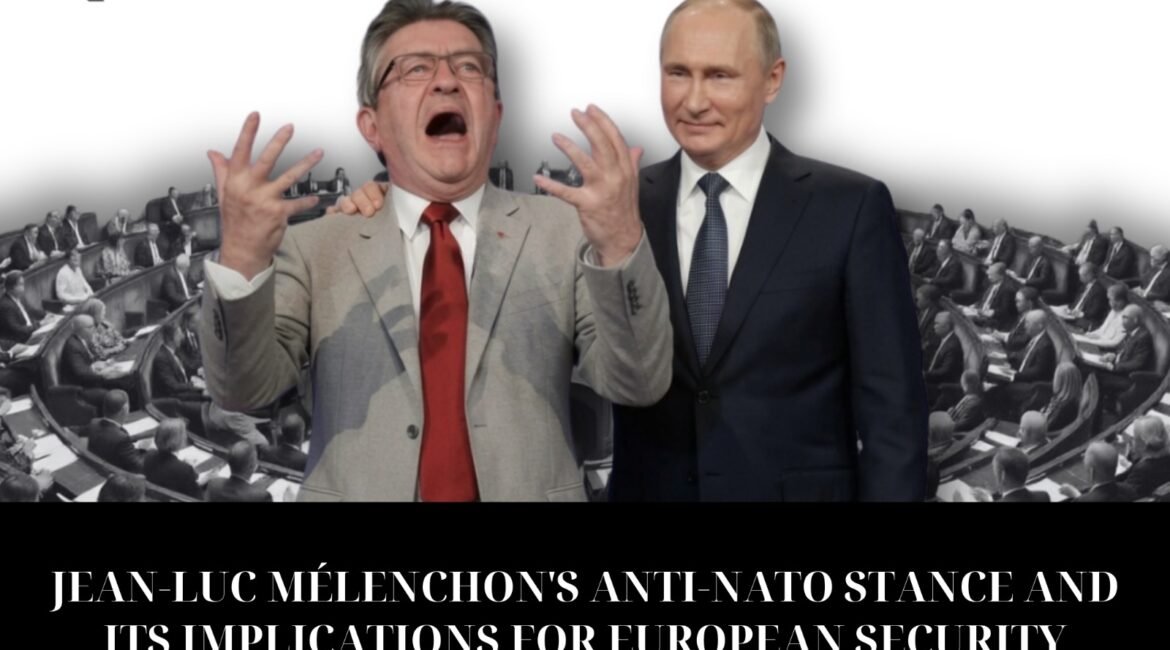
Today's European security architecture is experiencing its deepest crisis since World War II. The unity and stability of European countries are being tested not only by external factors but also by internal socio-political polarization, which Russia is actively trying to fuel. France is one of the EU countries where both...