
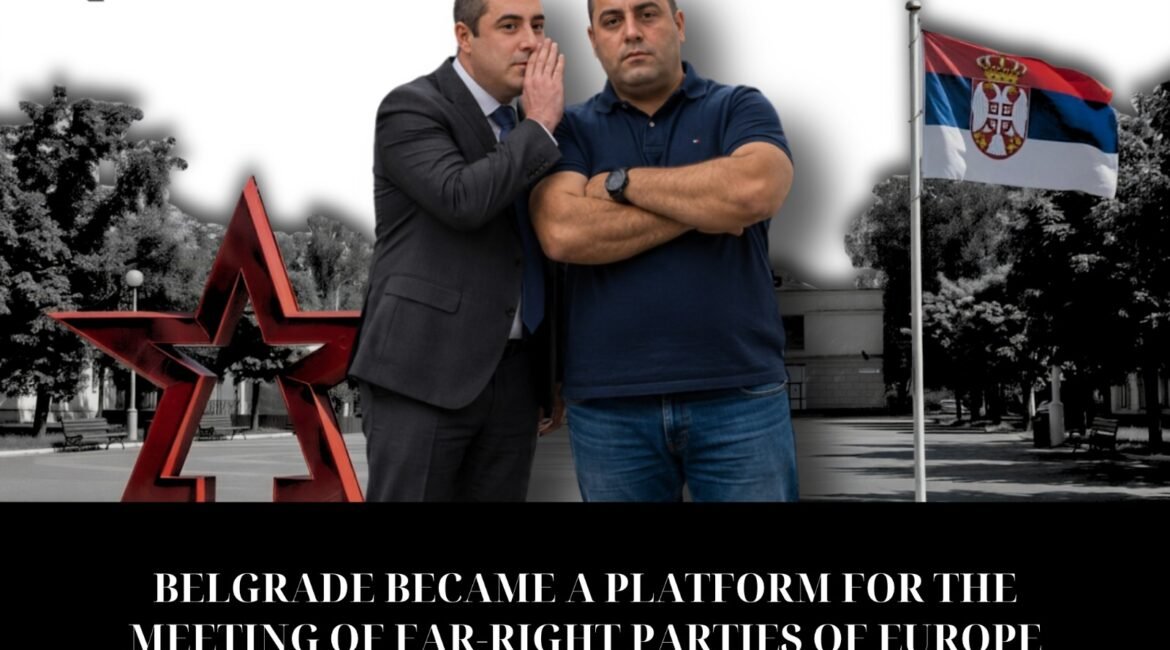
On May 31, in Belgrade, at the media center of the Association of Journalists of Serbia, a conference of far-right and neo-Nazi organizations titled “The Future of European Nations” took place. The event was presented as a meeting of the “Alliance for Peace and Freedom,” an alliance established in 2015...
The EU accuses ESN of violating European values
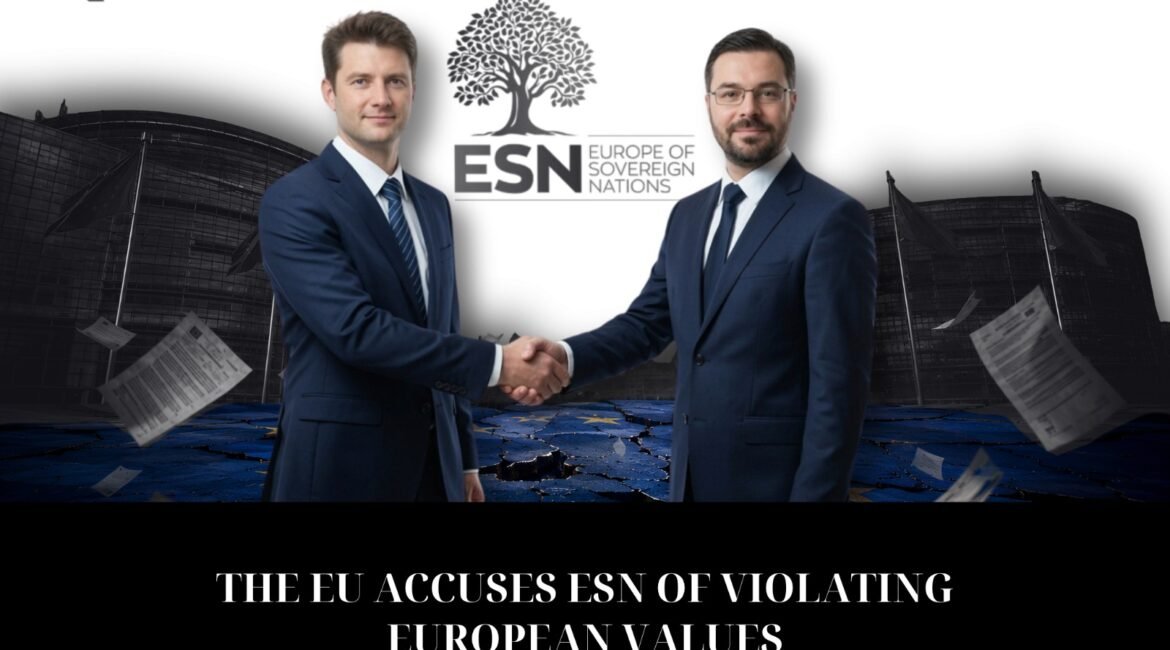
In May 2026, the European Union for the first time launched a large-scale investigation into the activities of a pan-European political party, “Europe of Sovereign Nations” (ESN), closely linked to the parliamentary group of the same name in the European Parliament and representing the far-right spectrum of European politics. The...
Russian trace in the collapse of Polish crypto exchange Zondacrypto
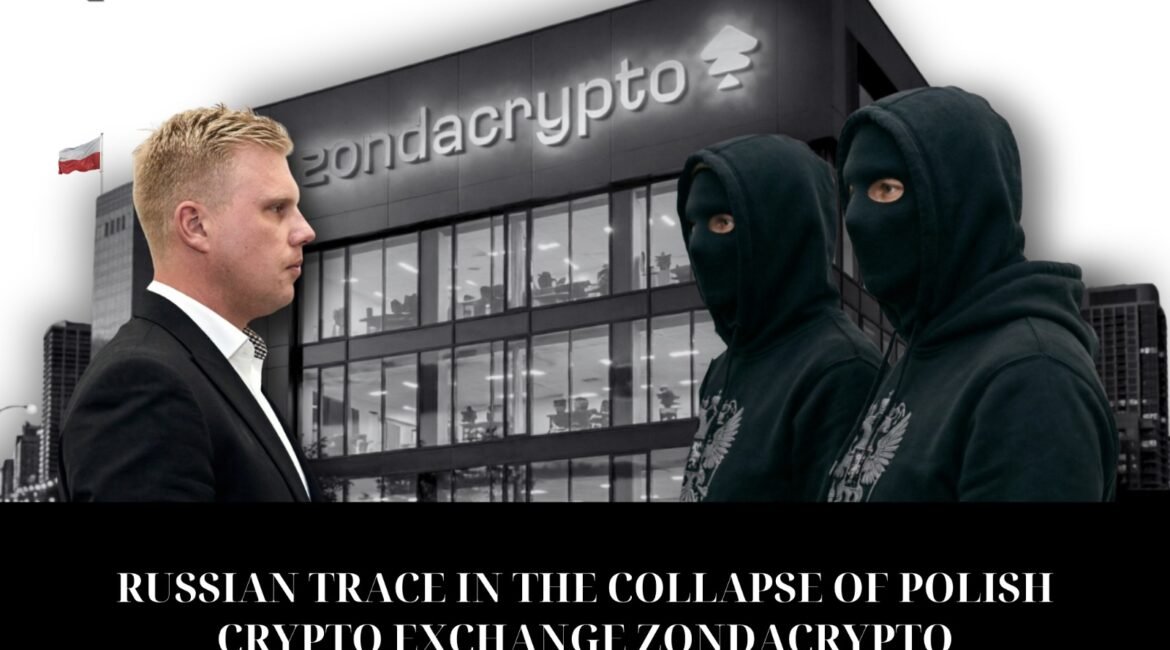
In May 2026, Poland and the international information space were shaken by news that one of Poland’s largest cryptocurrency exchanges, Zondacrypto (formerly BitBay), had halted withdrawals for its users. The crisis peaked when it emerged that the platform faced a shortfall of at least 350 million zlotys (about $96 million),...
Loopholes in sanctions, or why European banks can’t stop Russian capital
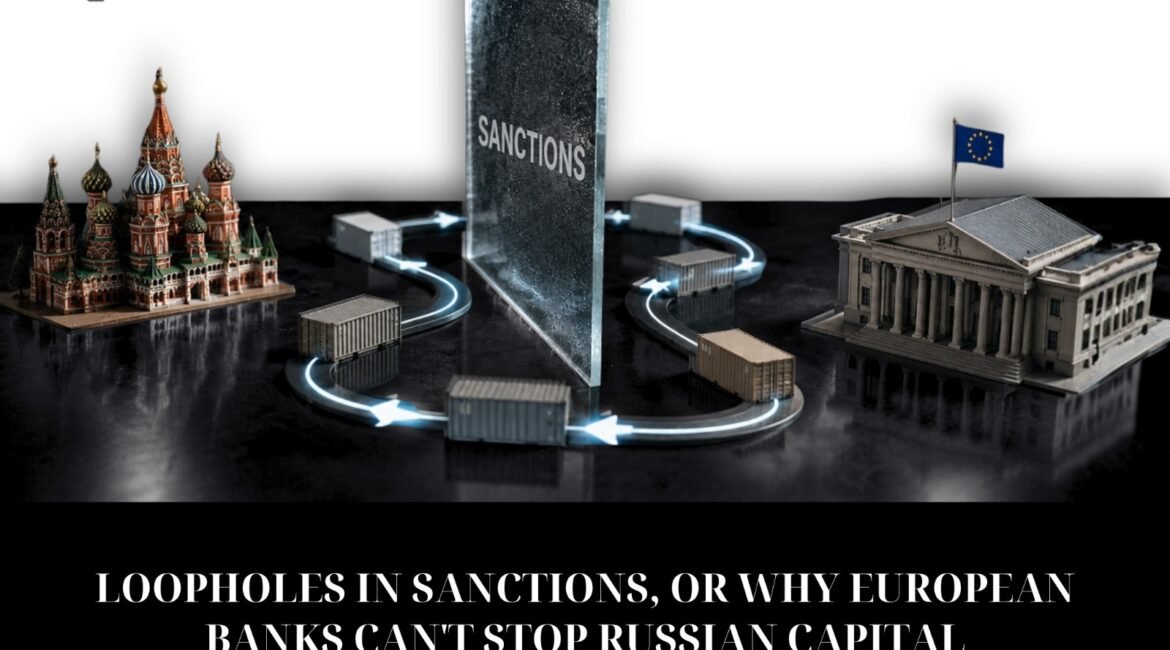
On 19 May 2026, OFSI (Office of Financial Sanctions Implementation) fined the London branch of Deutsche Bank £165,000 for violations of the sanctions regime against Russia and published investigation materials showing that Deutsche Bank had processed two payments totalling £635,619 in June and July 2022 to the Russian streaming service...
Iceland under fire from disinformation ahead of referendum
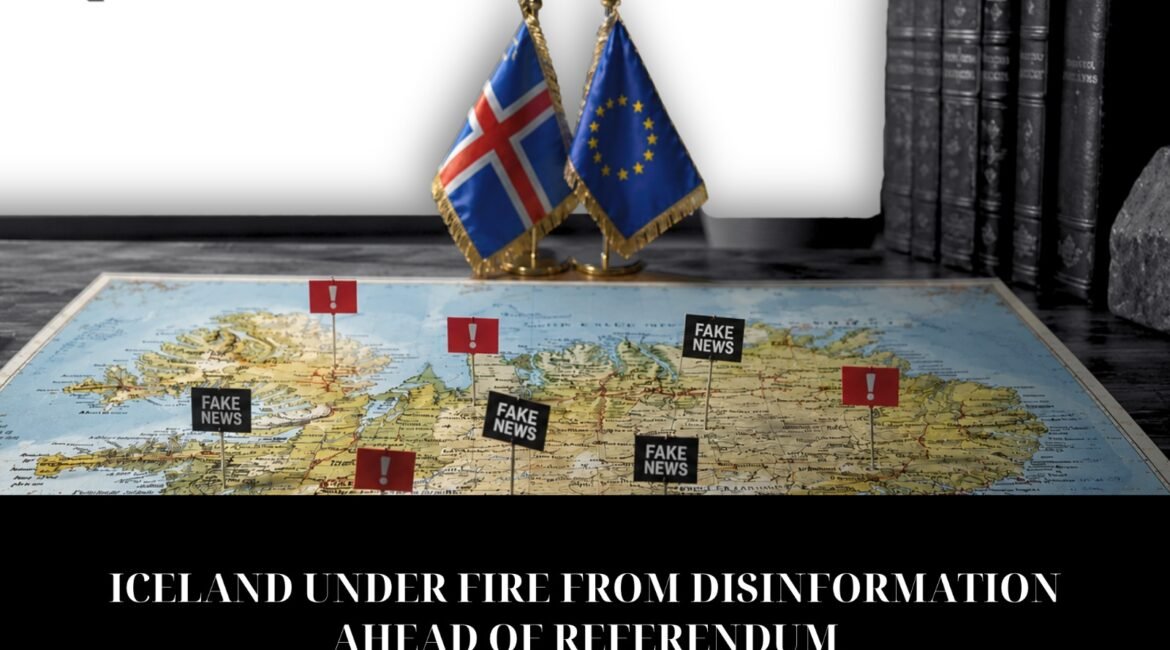
After the financial collapse of 2008, Iceland became one of the few European countries where the idea of joining the European Union transformed from a discussion into a matter of national survival. Today, nearly two decades later, the country is revisiting the topic of European integration — but in an...
“Storm-1516” against Armenia: how Russia conducts hybrid warfare with fake investigations
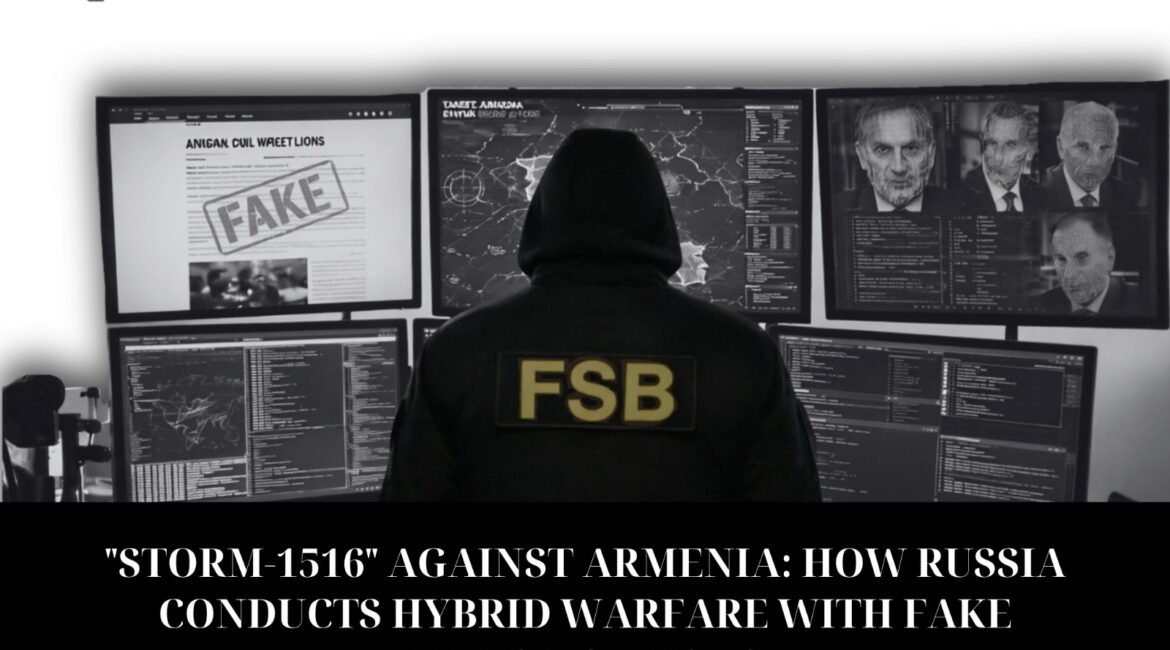
Until 2020, Armenia remained one of the most Russia-dependent states in the South Caucasus. However, its defeat in the war over Nagorno-Karabakh and the subsequent events dramatically changed the situation. In 2023, Prime Minister Nikol Pashinyan publicly declared that Armenia’s exclusive reliance on Russia for security matters had been a...
Romania’s anti-corruption machine has become a shield for the political class
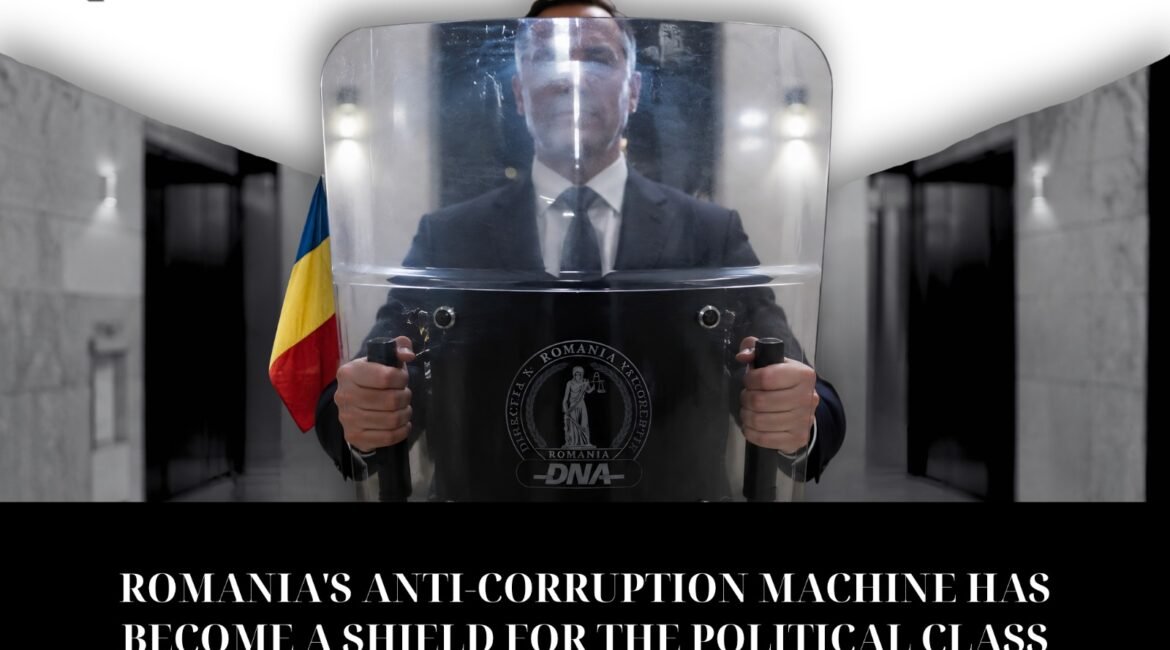
On January 1, 2007, when Romania joined the European Union, Brussels viewed the reform of its judicial system as one of the key tests of the country’s ability to become a full-fledged European democracy. Corruption in state institutions at the time was chronic, and according to Transparency International data, in...
How the nature of cyber warfare has changed in the EU
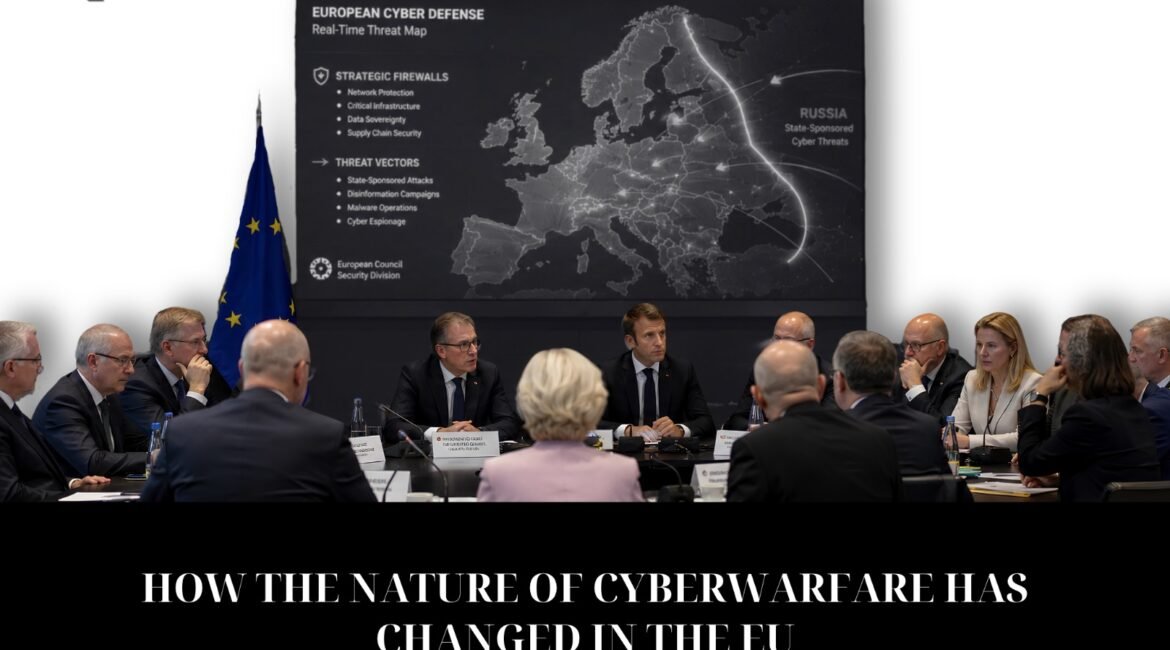
Over the past five years, the nature of cyber warfare in Europe has undergone a fundamental transformation. Before 2022, cyberattacks in the EU were primarily associated with criminal extortion, industrial espionage, and occasional state-sponsored operations. Since Russia's full-scale invasion of Ukraine, they have become an integral part of hybrid warfare...
The MFS scandal and its consequences for the financial systems of the UK and Europe
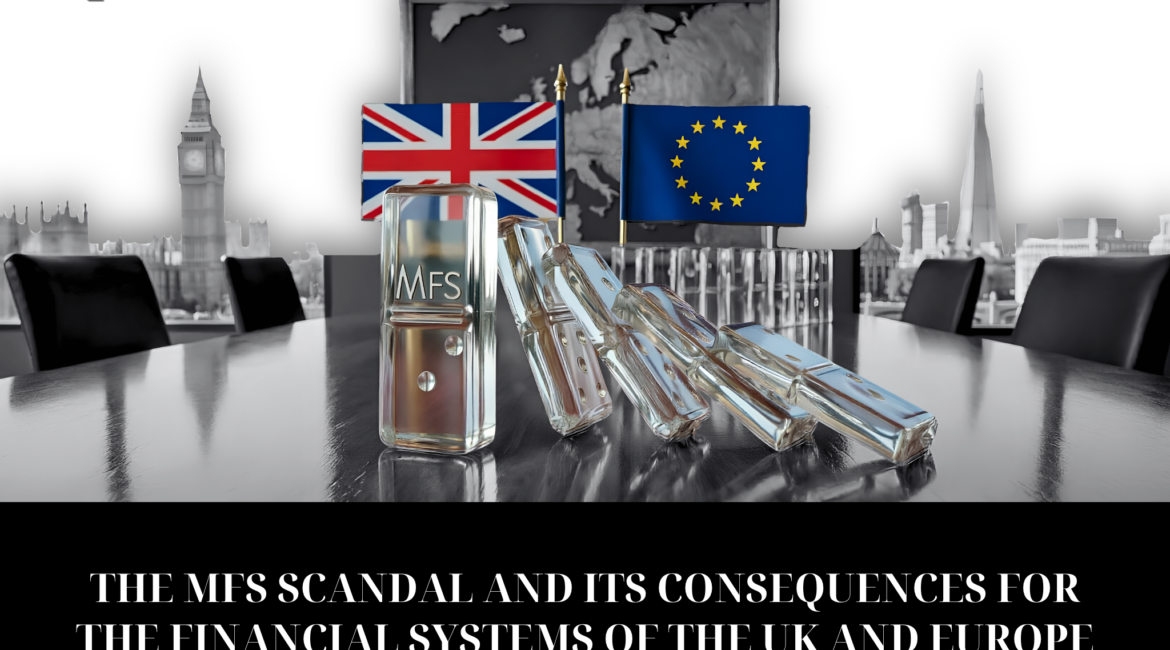
At the beginning of 2026, a major financial scandal erupted in the United Kingdom involving the bankrupt mortgage lender Market Financial Solutions Ltd (MFS). It emerged that the company had borrowed more than £1.3 billion in total from major banks and hedge funds, then issued expensive mortgage loans to borrowers...
Wheat for loyalty — Russia’s “humanitarian” trap for Africa
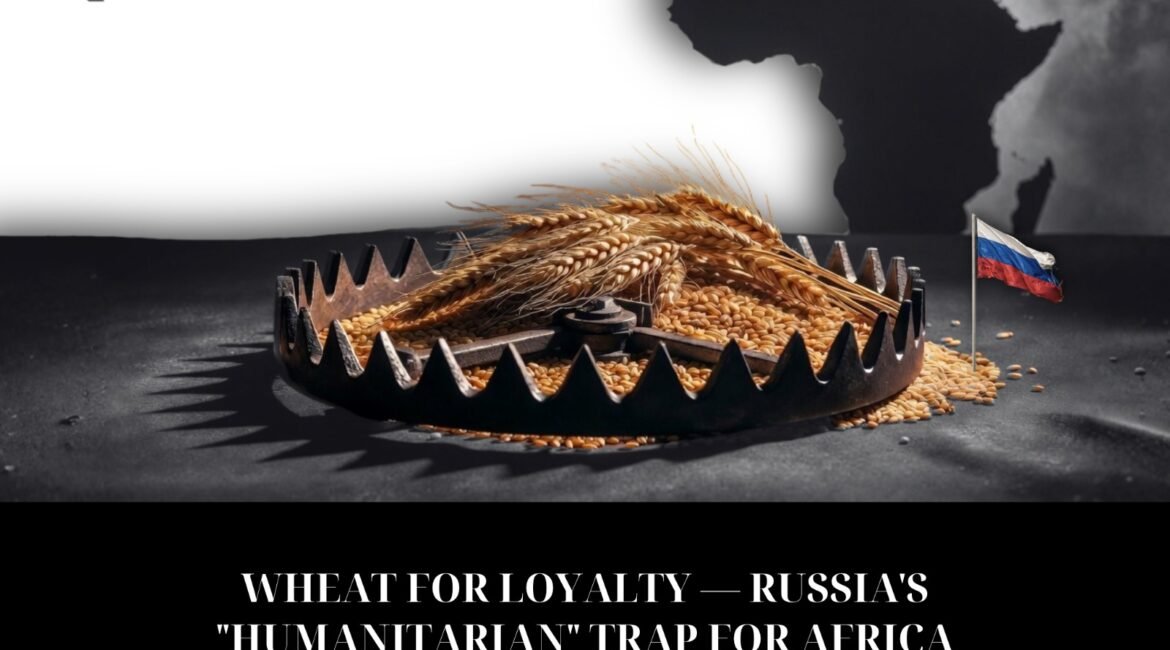
When Russia solemnly promised "free" grain to six African countries in 2023, the Kremlin framed it as an act of humanity. Behind this "generosity," however, lies a calculated geopolitical game in which wheat is supplied in exchange for gold, uranium, loyalty in UN votes, and support for its aggressive war...