
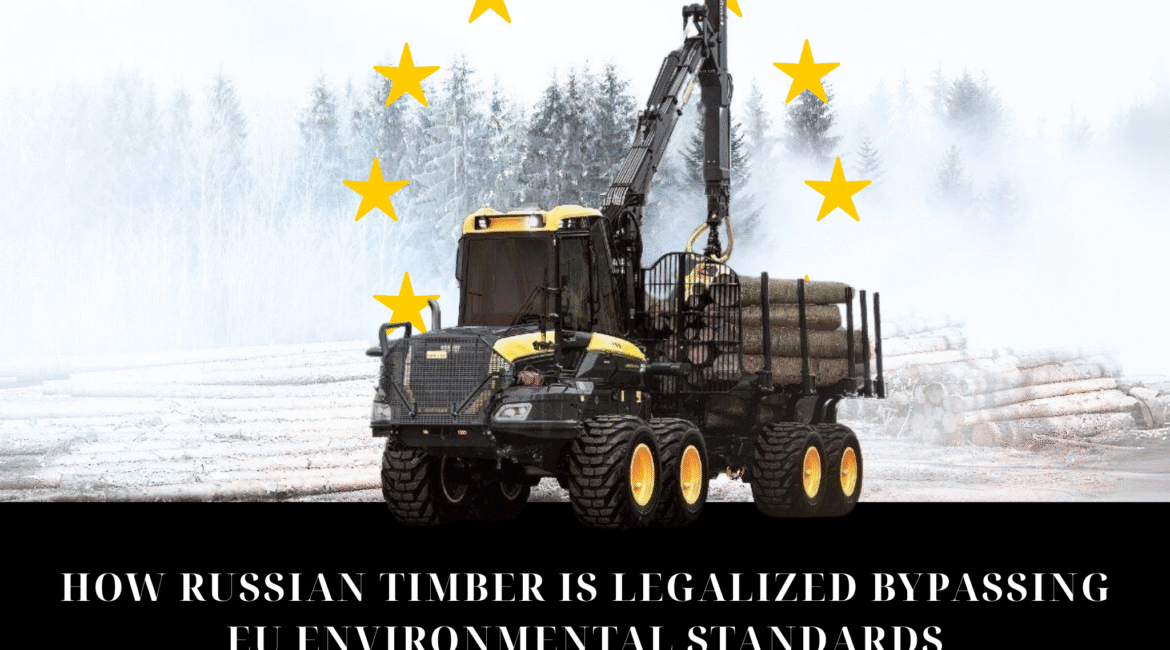
In 2020, the European Commission acknowledged that deforestation is a major driver of the global climate and biodiversity crisis, and that the EU also contributes to these crises, as the EU population consumes a significant share of products linked to deforestation. The Intergovernmental Panel on Climate Change (IPCC) has found...
Democratic regression: a new wave of protests in the Balkans
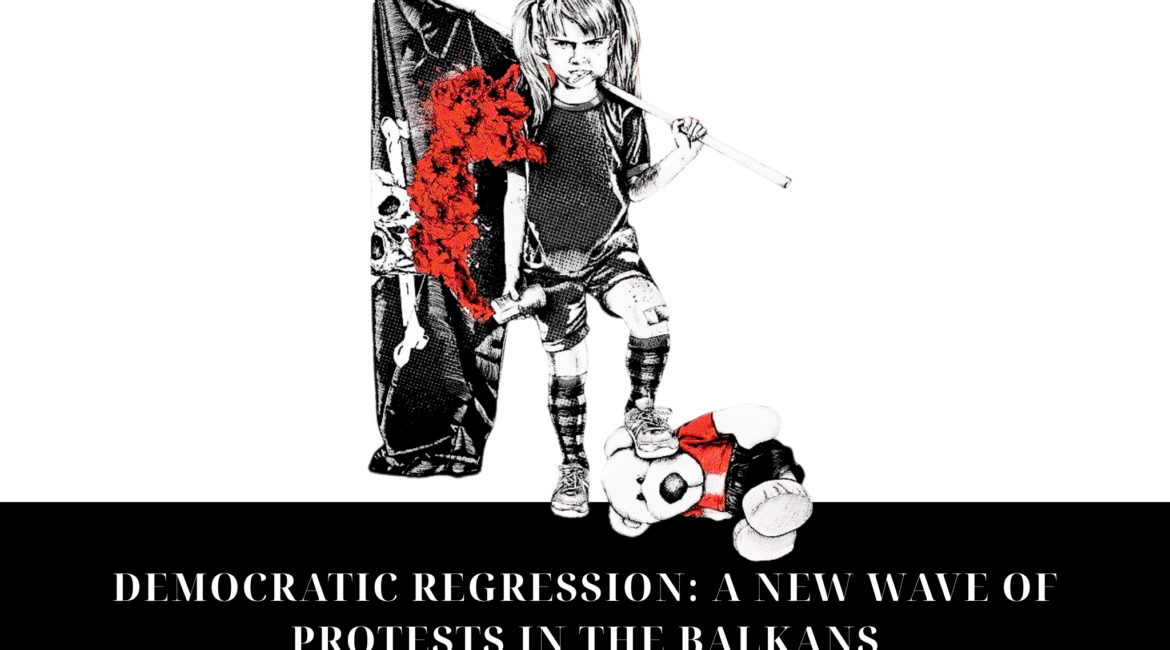
Unrest Across Central and Southeastern Europe Signals a Deepening Crisis of Democracy. Protests that erupted across Serbia, Slovakia, Greece, North Macedonia and Hungary in late 2024—and in some cases continue to this day—have become a stark indicator of long-simmering and unresolved social and economic tensions. More than isolated outbursts, these...
Corruption: “The main threat to Albania’s European integration”
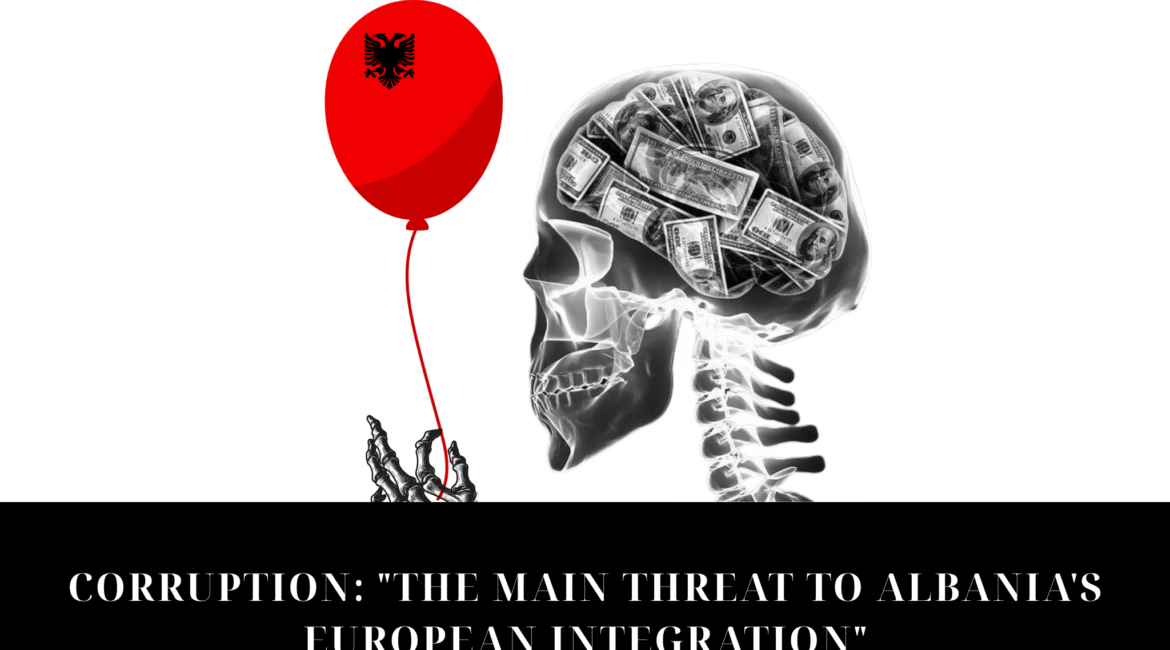
Of the five Western Balkan countries currently holding EU candidate status — Albania, Montenegro, North Macedonia, Bosnia and Herzegovina, and Serbia — Albania has long been seen as the frontrunner in the race toward membership. But despite its formal progress, the country continues to grapple with high levels of corruption...
Independent media in Eastern Europe without USAID funding
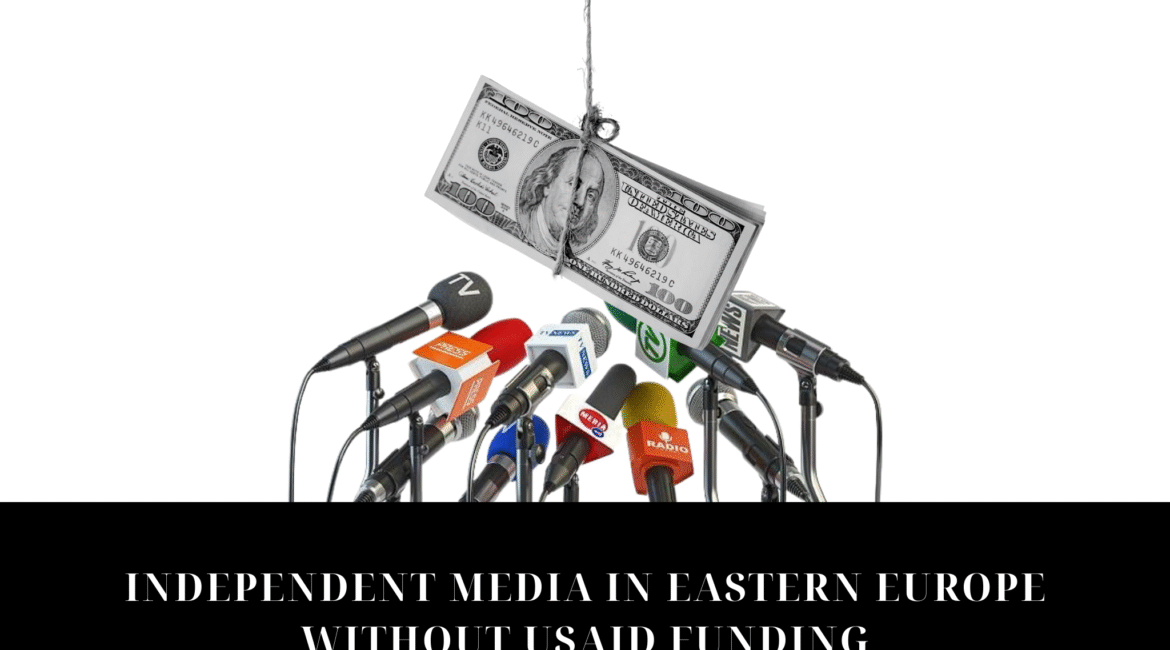
The freeze in U.S. foreign assistance — including key support for independent journalism via USAID — has dealt Eastern Europe not only a financial but also a political shock. Within weeks, newsrooms that for years investigated corruption, government procurement, and abuse of power found themselves on the brink of project...
Europe on a military budget: how war and NATO’s new 5% of GDP target are reshaping the EU’s social agenda
According to the Stockholm International Peace Research Institute (SIPRI), global military spending surged by 9.4% in 2024, reaching $2.718 trillion—the largest annual increase ever recorded. The main driver of this spike was Europe (including Russia), where expenditures rose by 17% to $693 billion, surpassing levels seen at the end of...
Dirty Payments: how Worldline and Payone allowed billions in suspicious online transactions to flow for years
In the digital payments industry, where trillions of euros change hands annually, European giant Worldline and its German subsidiary Payone have become embroiled in a major scandal. An investigation by European Investigative Collaborations (EIC), published on June 25, 2025, revealed how the companies systematically serviced high-risk clients for over a...
Europe’s industrial pivot: an arms boom fueled by the war in Ukraine
An analysis of human history leads to a sobering conclusion: the story of our civilization is not one of peaceful creation, but of military conflict. But, strange as it may seem, it is war that has often driven technological development. A prime example is World War II, which spurred a...
Russia and the European elites

The Mechanics of Covert Influence Russia’s attempts to exert influence over the political and economic elites of the European Union have long ceased to be speculative—they are now an undeniable reality. What’s more, this influence has shown the capacity to shape strategic decisions within individual EU member states. Through a...
Russian Money and Europe’s Radical Forces: Hidden Influence and Its Consequences

A pressing issue in European politics over the past decade has been the increasing activity of radical parties and their connections with Russia. Regardless of the national context in which they operate, certain patterns stand out: these parties often serve as “platforms” for Moscow, facilitating direct or indirect attempts to...
“Access to Alaska”: Putin’s bet on Trump and the risks for Europe
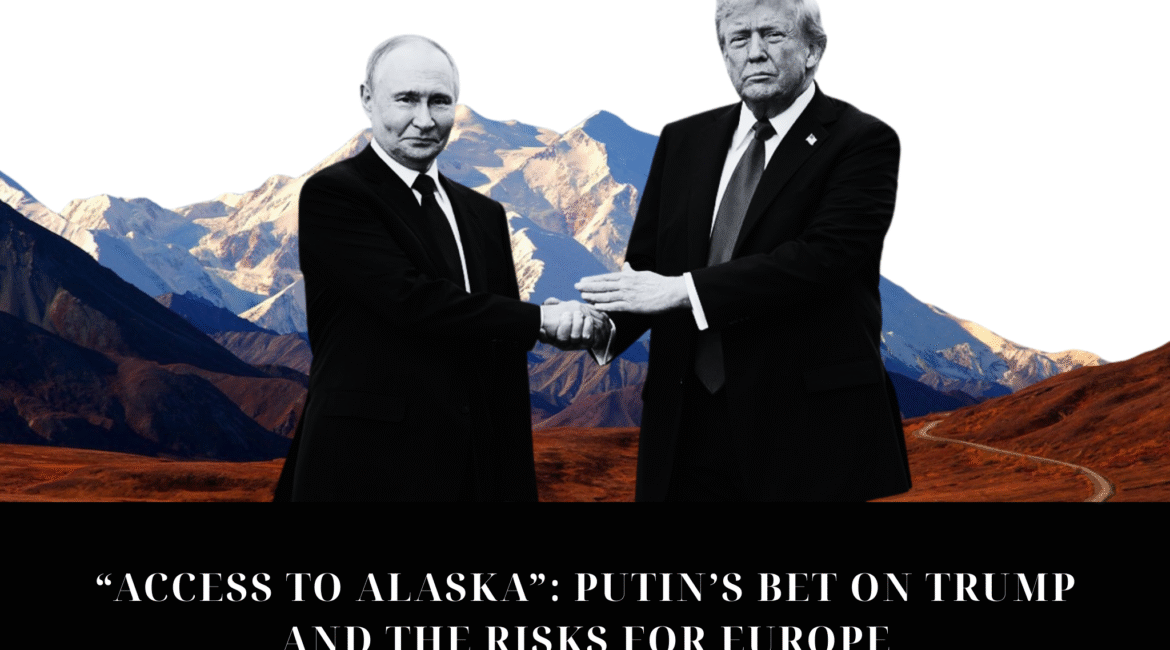
The current meeting in Anchorage is more than a symbolic “halfway point” between the United States and Russia. For the Kremlin, it’s an attempt to breach the sanctions wall via localized economic engagement with Alaska — from the fishing industry and technical flight arrangements to critical minerals and oil-and-gas ventures....