
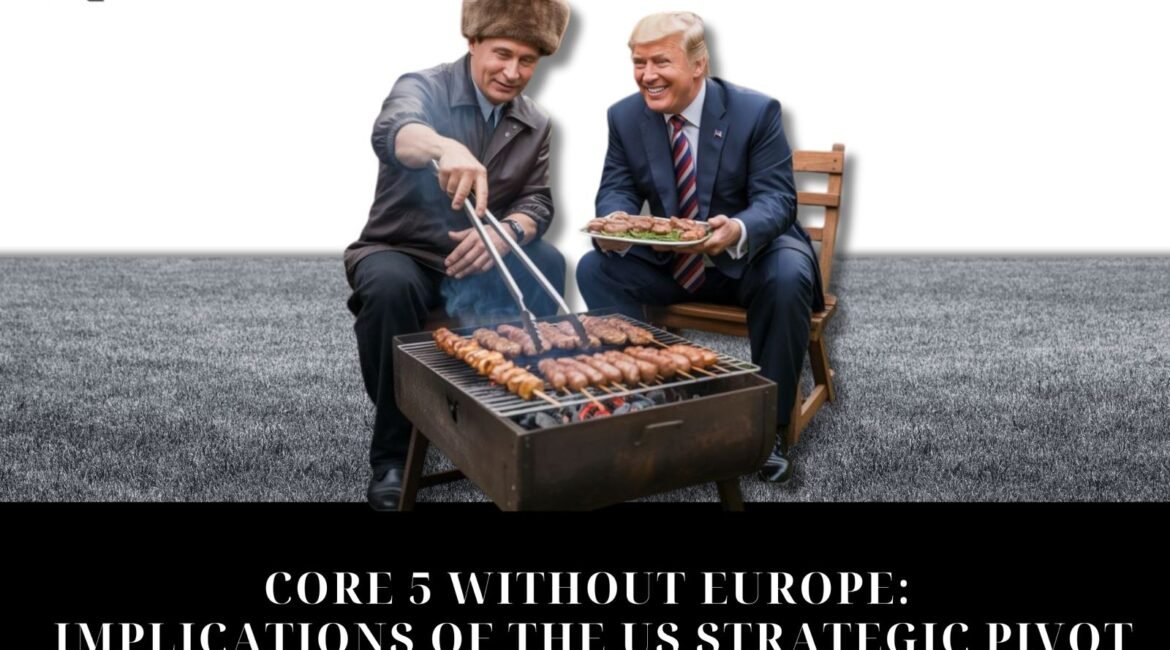
The idea of forming a new geopolitical format, tentatively called Core 5, at first glance appears to be a pragmatic response by the US to the changing world order. This bloc is expected to consist of five key powers: the US, China, Russia, India, and Japan. However, upon closer examination,...
Cannon fodder for a bloody dictator: how the Kremlin recruits mercenaries around the world
At the beginning of the war in Ukraine, Russia tried a method that few expected to see in the 21st century, namely the mass recruitment of prisoners into combat units. Independent investigations have shown that at least 48,000 Russian prisoners were recruited into the Wagner private military company with promises...
Russia’s information war and Britain’s new anti-Russian sanctions
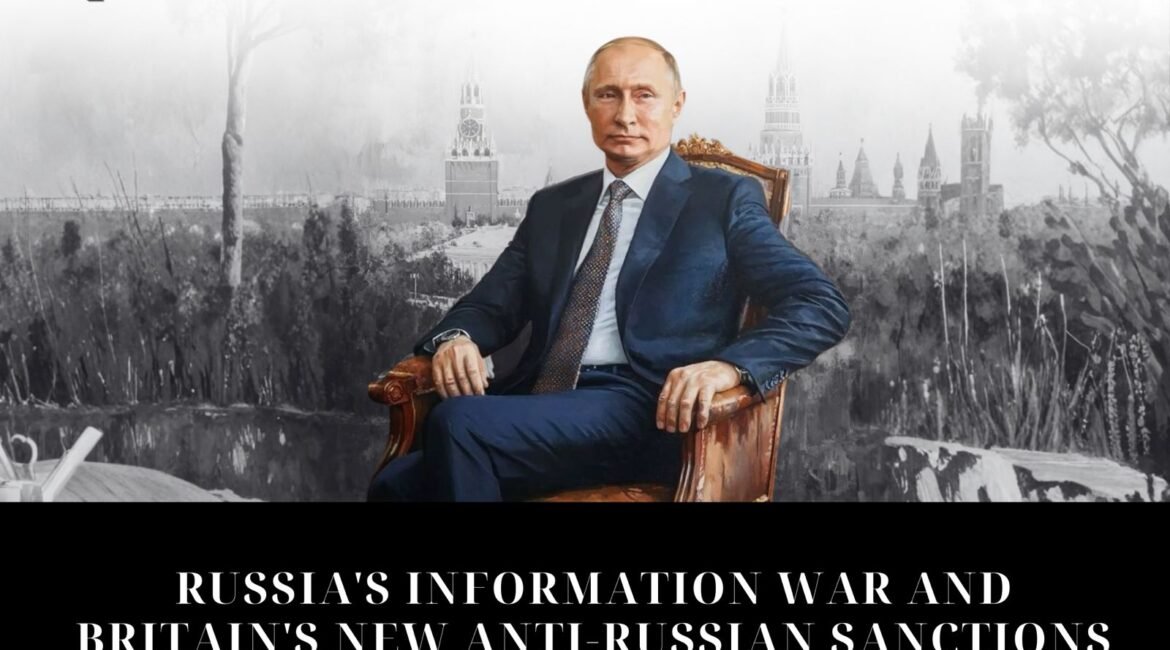
The British government's decision to impose sanctions on a number of Russian entities accused by London of participating in information warfare signals a new level of Western response to hybrid threats. In particular, restrictions were imposed on the Russian Telegram channel Rybar and its co-owner Mikhail Zvinchuk, the Foundation for...
The new US strategy: implications for Europe
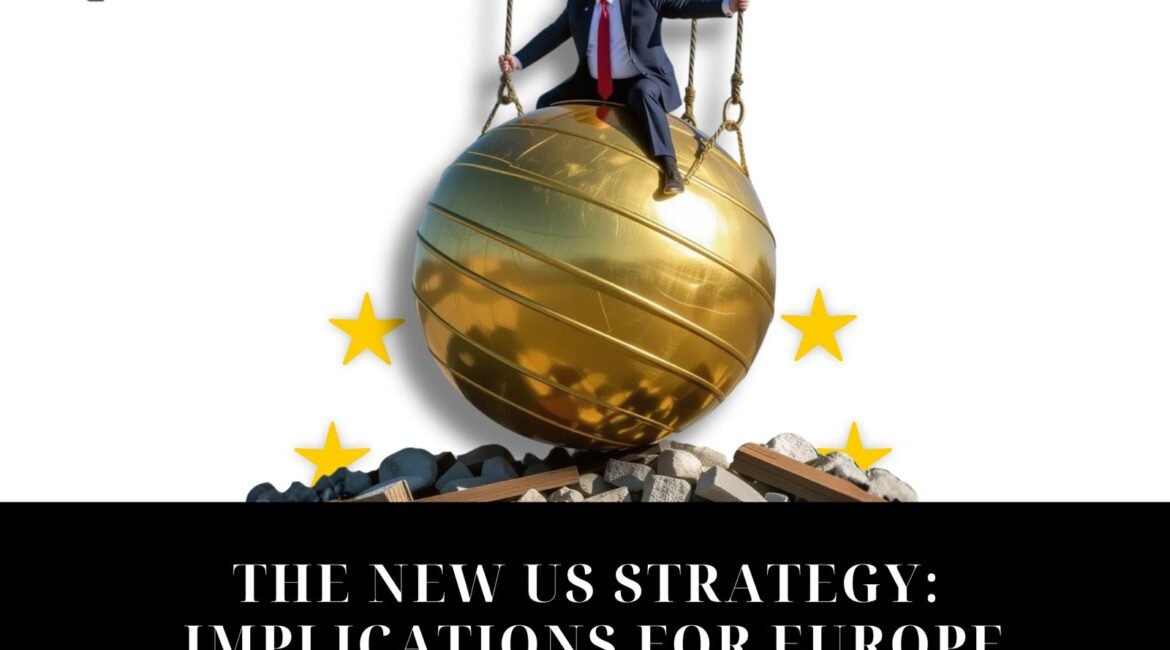
In December 2025, the US administration officially published a new National Security Strategy (NSS), the content of which came as a shock to European politicians. The document declares a clear reorientation of American priorities, with the Indo-Pacific region being declared the main theater of global competition, while Europe formally remains...
The new battle for the Atlantic: why Britain needs an “Atlantic bastion”
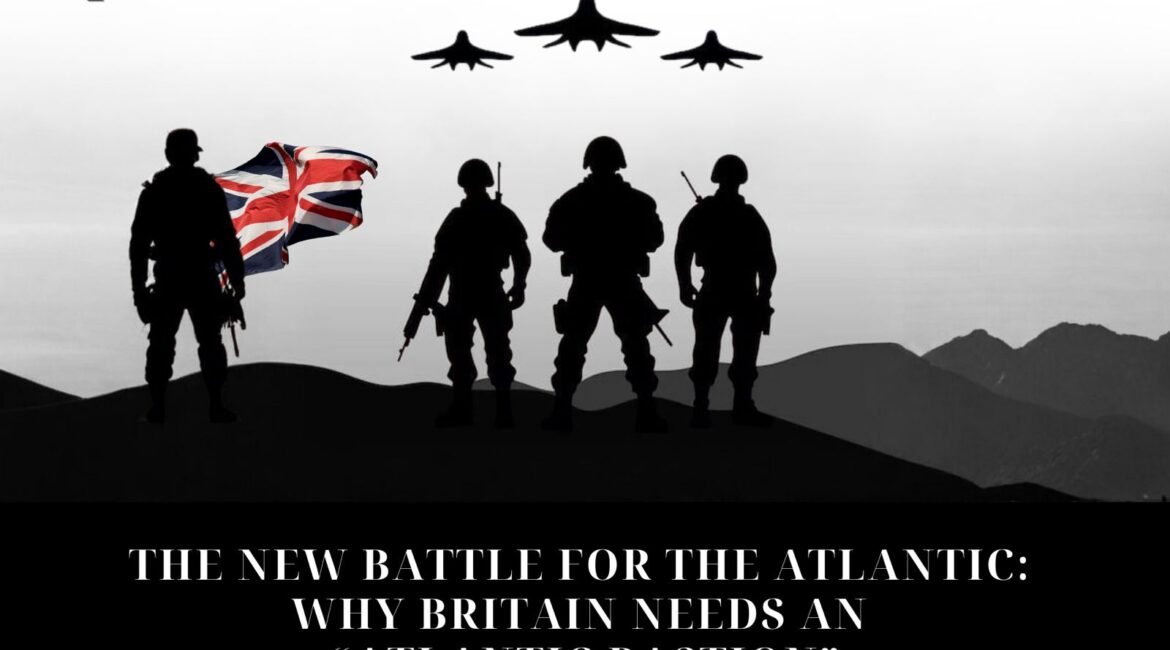
On December 8, 2025, the UK Ministry of Defense officially unveiled its new submarine defense program, Atlantic Bastion. The program is a direct response to increased Russian submarine and espionage activity. According to the statement, the project aims to “make Britain more secure from Russian submarine threats in the North...
Legal traps: as «Fides» puts the Hungarian opposition out of play
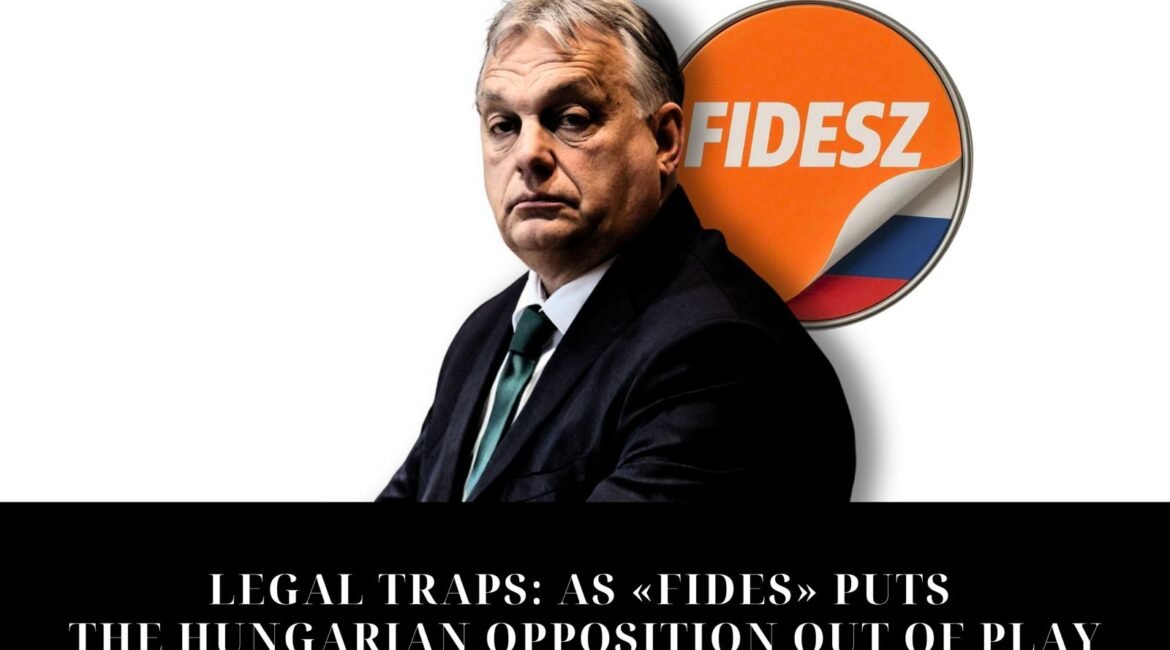
Against the backdrop of rhetoric about “protecting sovereignty,” Hungary's ruling Fidesz party is systematically shifting the political struggle from the realm of ideology to the realm of law. A new wave of bills and institutional changes is creating legal barriers that not only complicate the work of opposition parties and...
How Putin’s European “friends” promote Russia’s interests in the EU
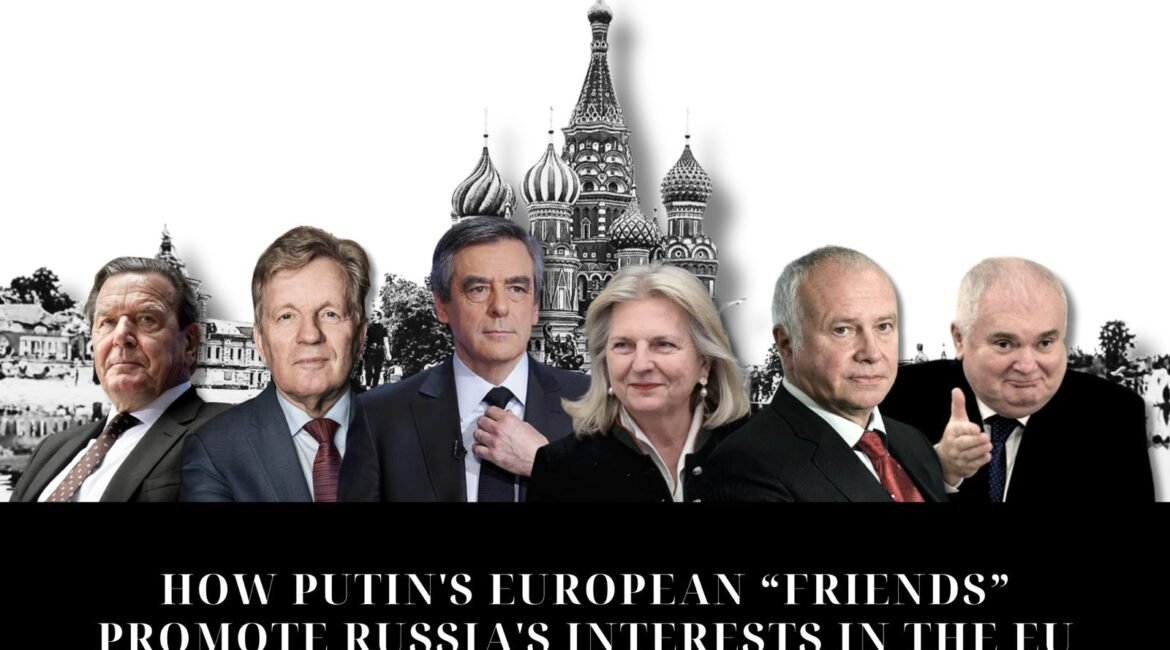
Promoting its interests has always been one of the Kremlin's foreign policy priorities. One way of achieving this goal has been to win over former European politicians and influential experts. As a rule, they act as a link and a form of “soft power” that helps promote Moscow's interests in...
Spain – a new wave of far-right revival
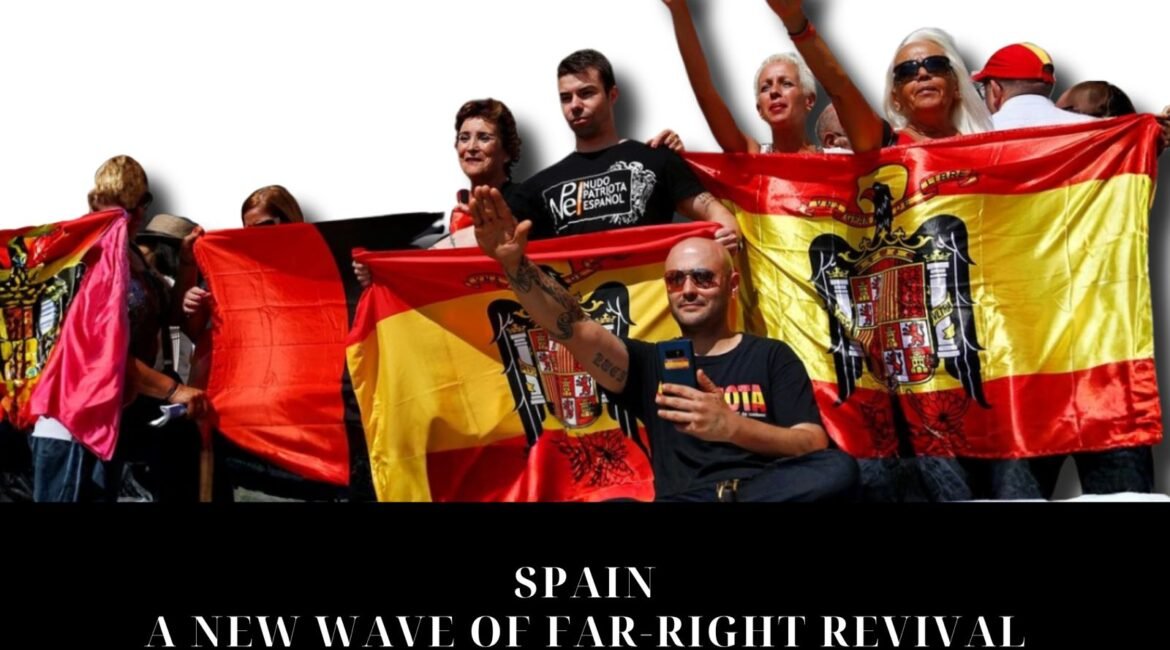
There is a steady trend in Europe toward the growing popularity of far-right parties and movements. This also applies to the political landscape in Spain, where the nationalist-conservative and right-wing radical party Vox, founded in 2013, is gaining popularity. Recent polls show that support for Vox is growing steadily. As...
The European Union recognizes Russia as a country with a high risk of money laundering and terrorist financing
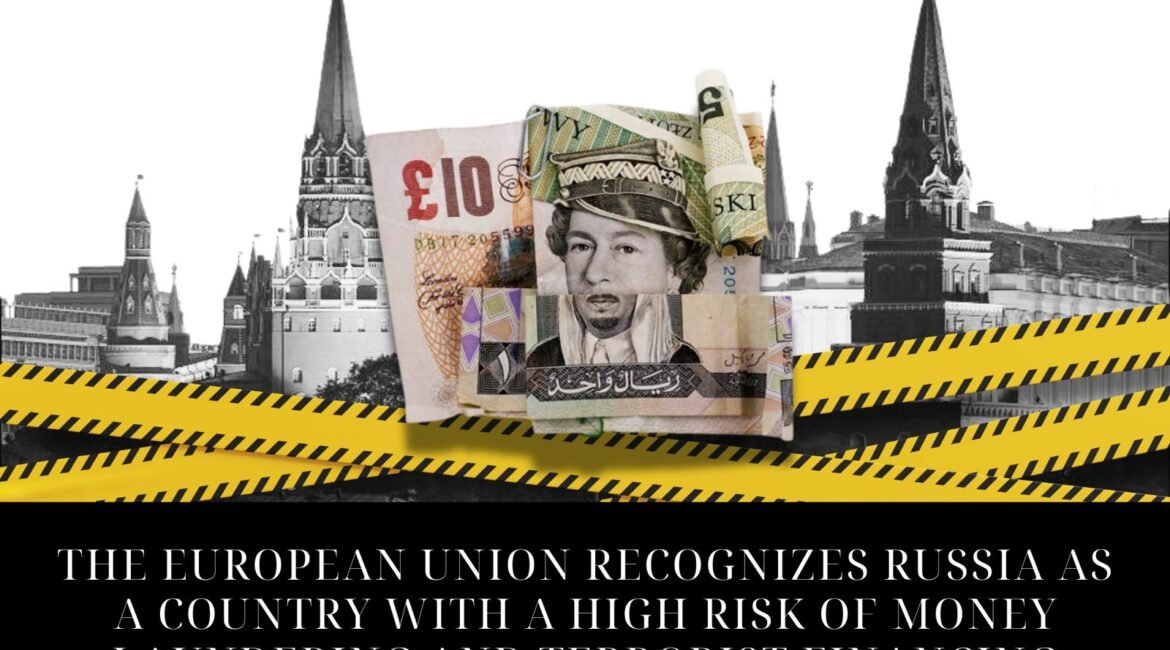
After imposing 19 rounds of sanctions, the European Commission is preparing to include the Russian Federation in the list of countries with a high risk of money laundering and terrorist financing. This status will mean that all financial transactions related to Russia will be subject to enhanced monitoring procedures: banks...
Gunvor and the Kremlin: How the «reboot» scheme hides the Russian trail
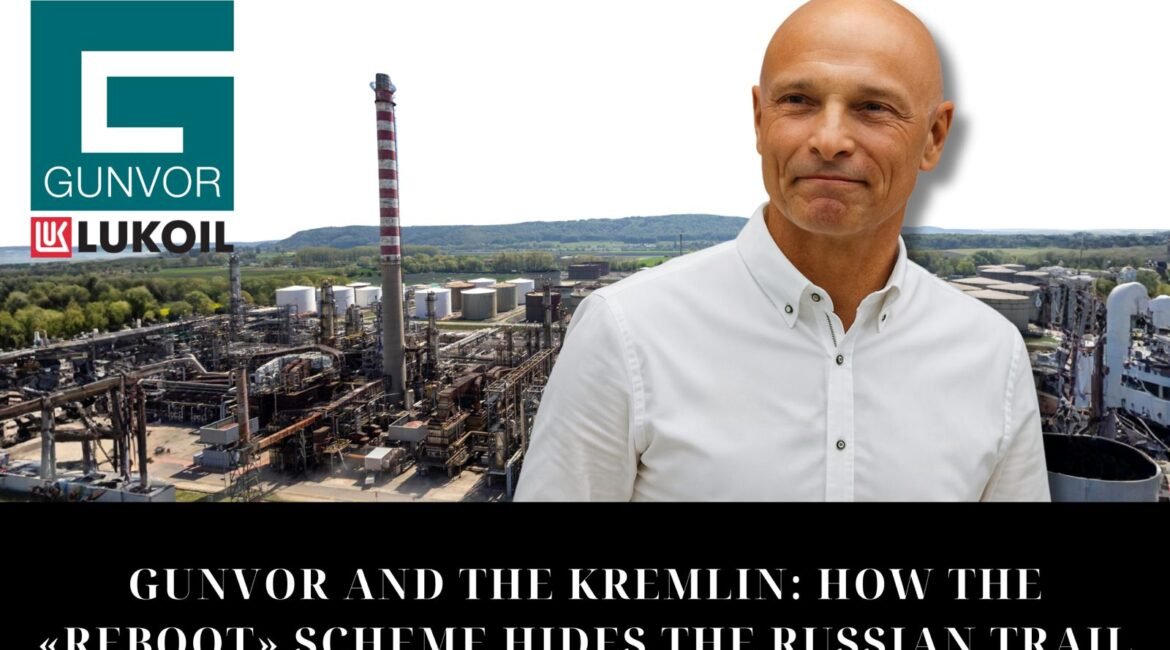
The news that Torbjörn Törnqvist, the long-standing principal shareholder of oil and gas company Gunvor, is selling 100% of his stake and stepping down from all positions is, in fact, yet another scheme to take the company into the shadows and an attempt to hide the real beneficiaries behind a...