
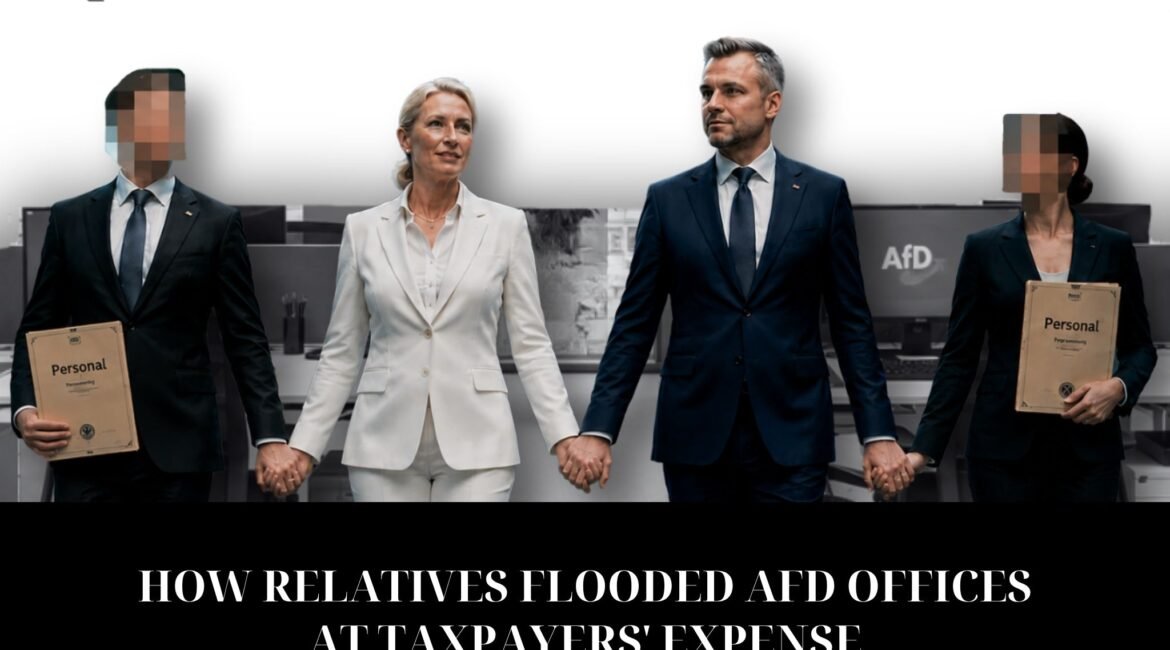
The scandal took on a national dimension after AfD co-chair Tino Hrupalla became embroiled in the controversy. On February 9, 2026, during a segment on journalist Karen Miosgi’s program on ARD, Hrupalla commented for the first time on reports of relatives being employed in AfD lawmakers’ offices, where he acknowledged...
How the digital surveillance industry is changing the rules of political competition in Europe

In the summer of 2022, Nikos Androulakis, leader of the Greek opposition party PASOK and a member of the European Parliament, received a notification from the European Parliament’s cybersecurity service stating that experts had detected an attempt to infect his mobile phone with the “Predator” spyware, one of the most...
How political instability will affect the 2027 French Presidential Election
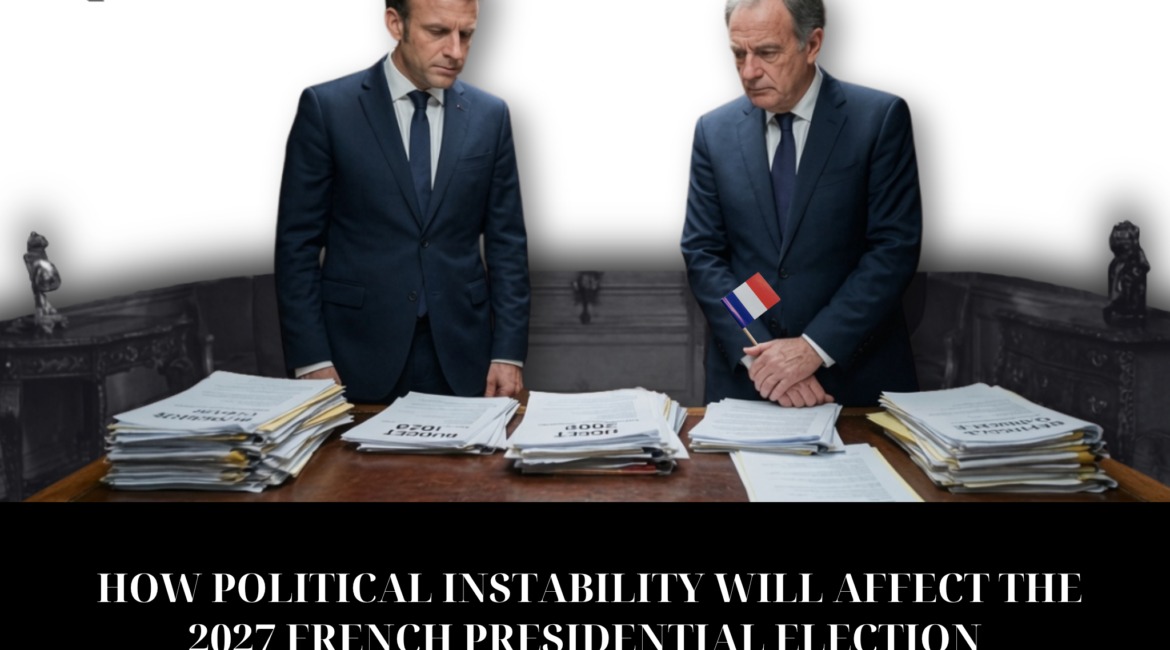
France entered 2026 in the midst of a political crisis that, just a few years ago, would have seemed unimaginable for one of Europe’s leading democracies. Cabinet reshuffles have become routine, parliament has nearly lost its ability to form a stable majority, budget disputes have escalated into social conflict, and...
«Alliance for the Union of Romanians» – the main challenge to Romania’s political system
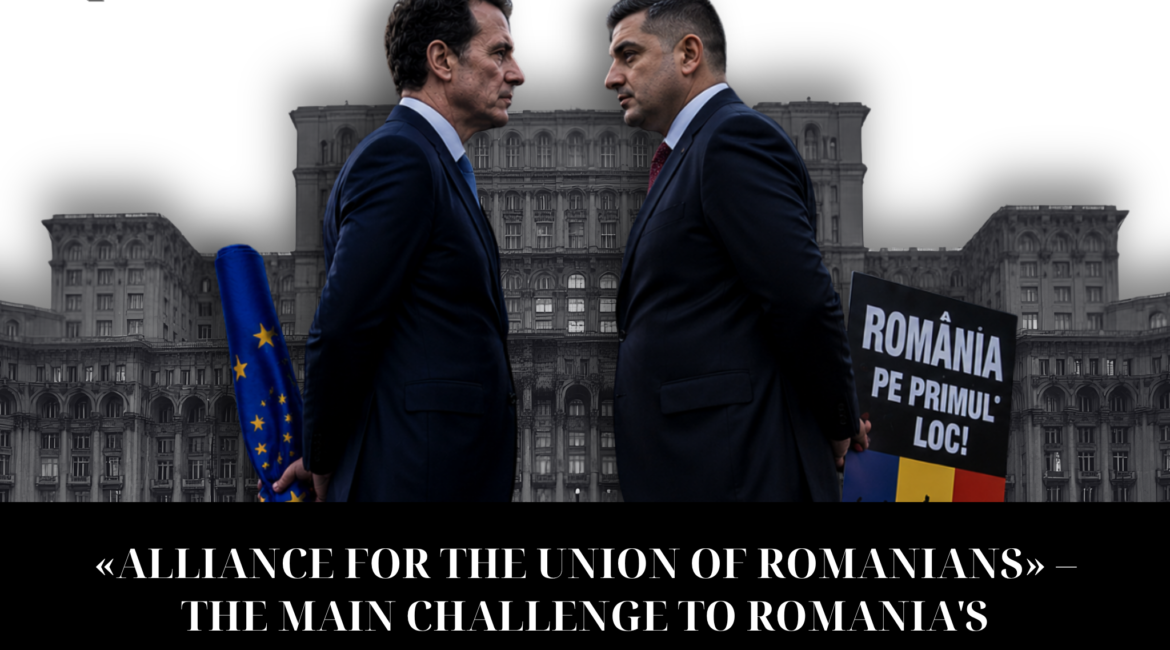
At the end of 2024, Romania was plunged into the most serious political crisis of its entire membership of the European Union. The country, long considered one of the EU and NATO’s most reliable allies in Eastern Europe, faced a prolonged crisis of authority, widespread distrust of state institutions and...
Nathan Gill case has turned into the biggest scandal to hit Reform UK
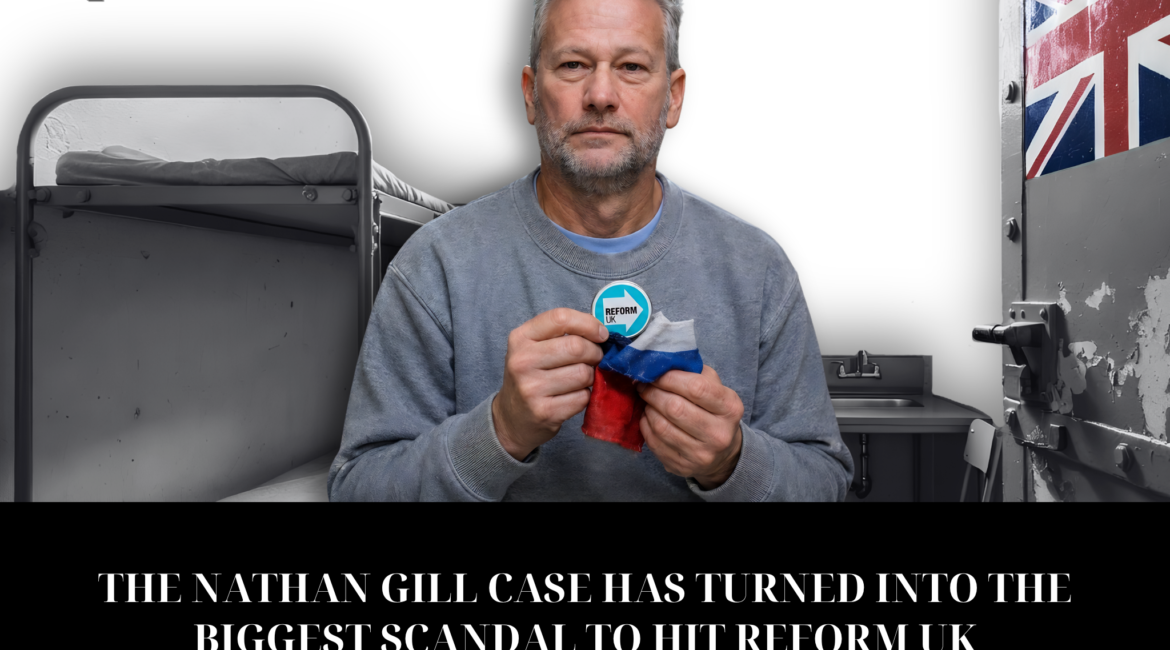
In the autumn of 2025, a major scandal erupted in British politics, centring on the fact that Nathan Gill, the former head of the Welsh branch of the Reform UK party, had pleaded guilty to accepting bribes in exchange for promoting pro-Russian views in the European Parliament and the media....
Vincent Bolloré’s media holdings promote Russian narratives in France

Following the outbreak of Russia’s full-scale war against Ukraine in 2022, the Council of the European Union imposed sanctions and banned one of the main official channels for disseminating Kremlin propaganda in Europe — the Russian state broadcasters RT and Sputnik. In France, this led to the suspension and subsequent...
The Neonazi past of AfD’s new state secretary Dario Seifert
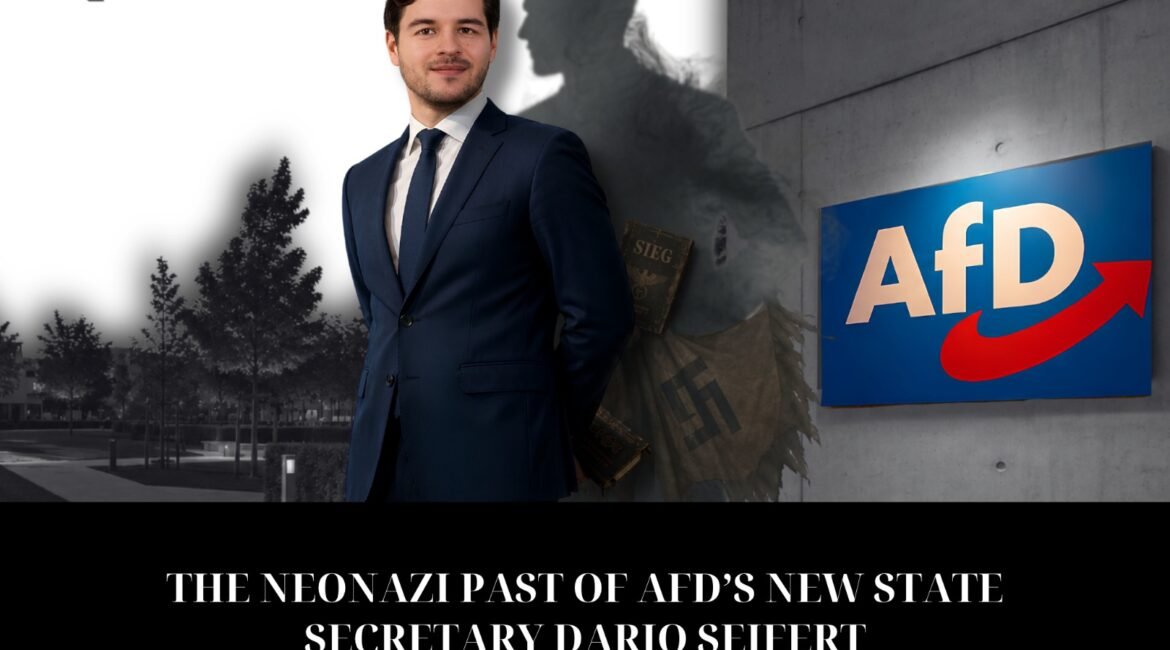
Dario Seifert is a member of the Bundestag and sits on the Tourism Committee. At the end of May 2026, at the congress of the AfD regional branch in Mecklenburg-Western Pomerania, he was elected Secretary General of the party’s state organization with an overwhelming majority of 92% of the votes....
Belgrade became a platform for the meeting of far-right parties of Europe
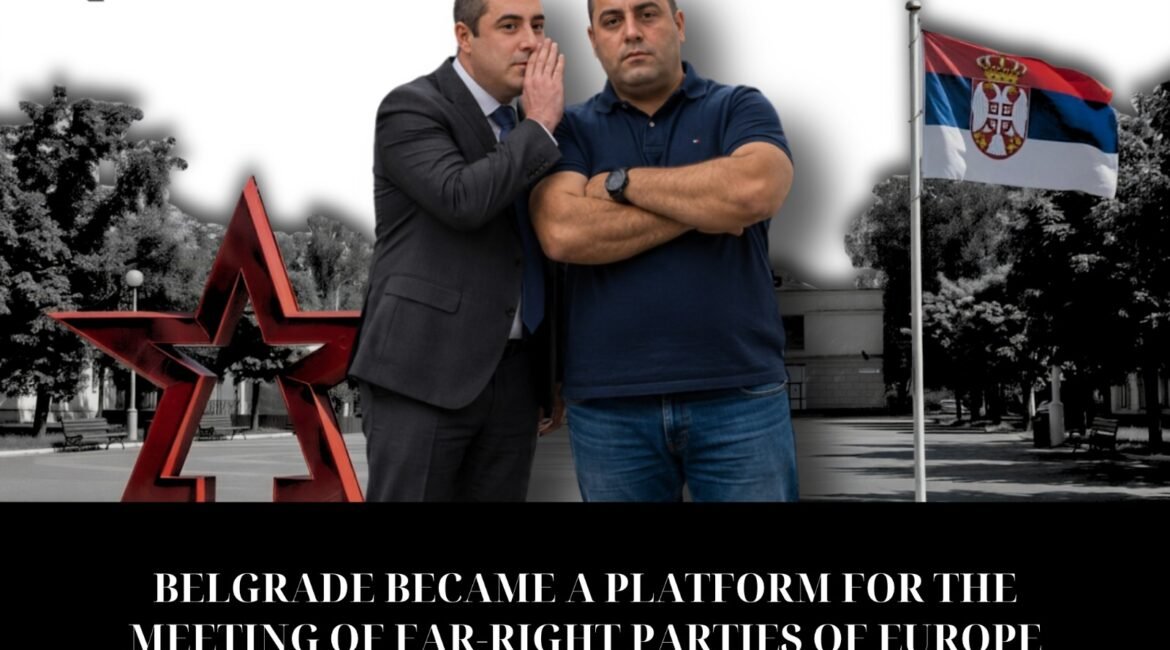
On May 31, in Belgrade, at the media center of the Association of Journalists of Serbia, a conference of far-right and neo-Nazi organizations titled “The Future of European Nations” took place. The event was presented as a meeting of the “Alliance for Peace and Freedom,” an alliance established in 2015...
The EU accuses ESN of violating European values
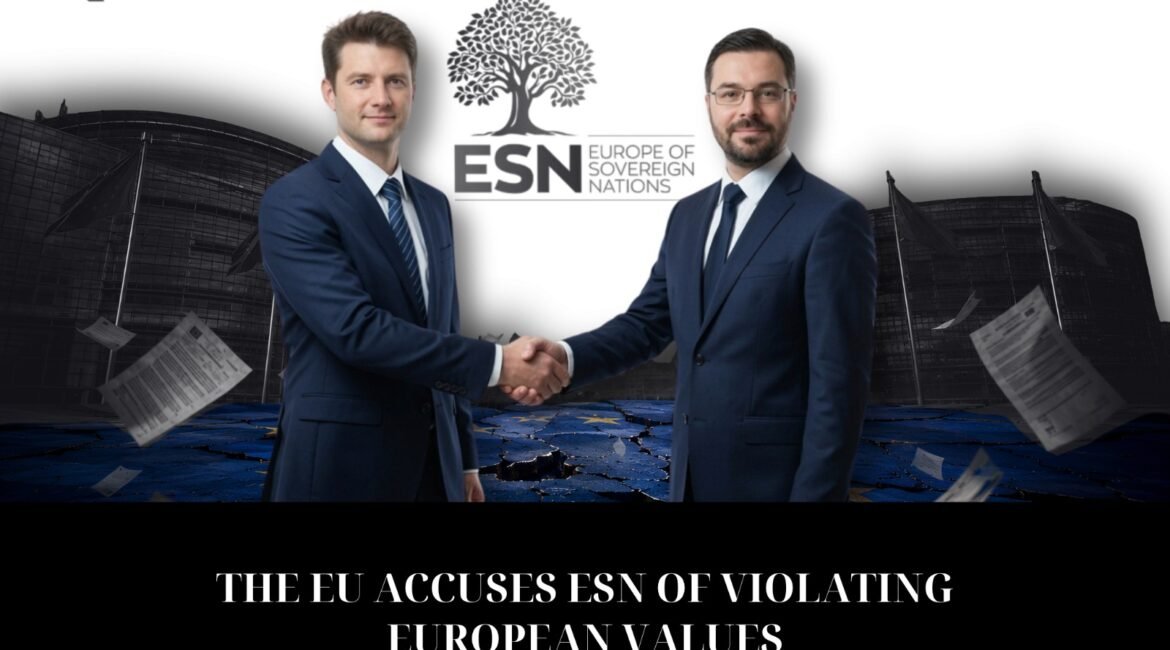
In May 2026, the European Union for the first time launched a large-scale investigation into the activities of a pan-European political party, “Europe of Sovereign Nations” (ESN), closely linked to the parliamentary group of the same name in the European Parliament and representing the far-right spectrum of European politics. The...
Hybrid threats from Russia to UK and the EU continue to grow
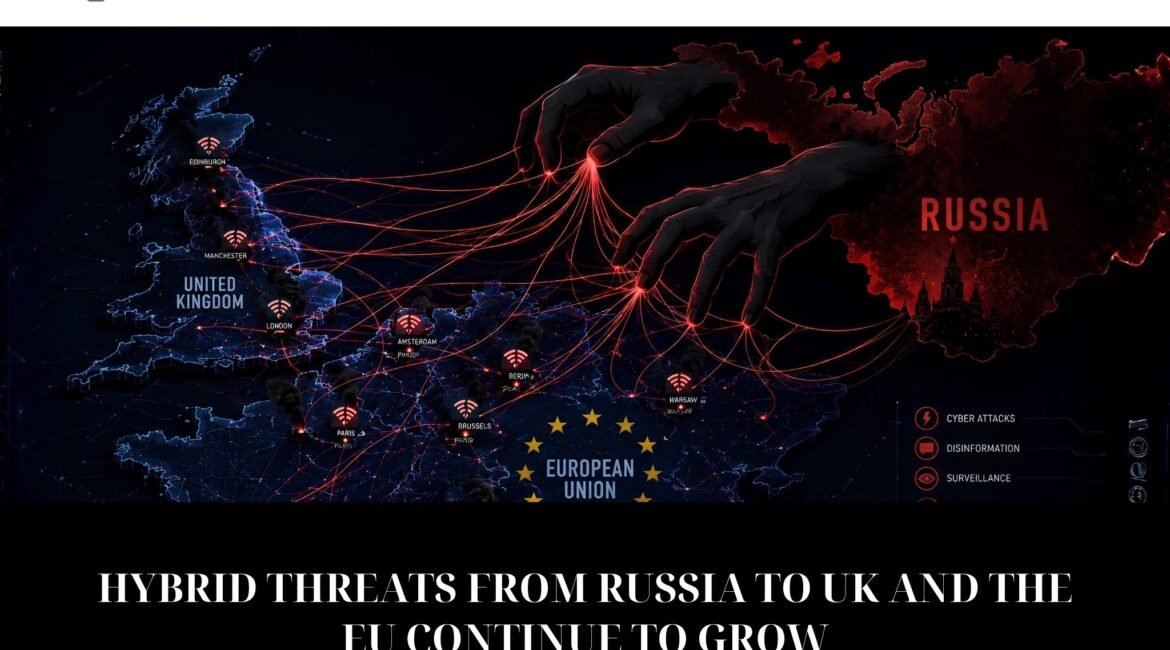
In her annual lecture delivered on 27 May 2026 at the Bletchley Park decryption centre, the Director of the UK’s Government Communications Headquarters (GCHQ), Anne Keast-Butler, spoke about the wide range of threats emanating from Russia. She emphasised that Moscow is “attacking critical infrastructure, democratic processes, supply chains for military...