
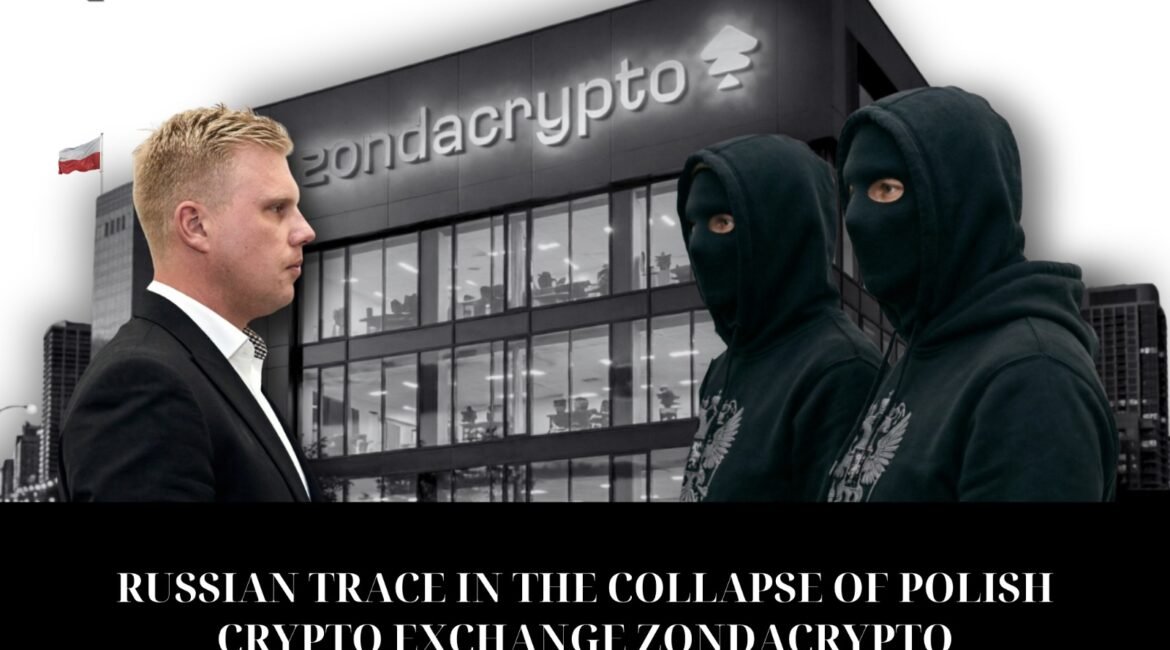
In May 2026, Poland and the international information space were shaken by news that one of Poland’s largest cryptocurrency exchanges, Zondacrypto (formerly BitBay), had halted withdrawals for its users. The crisis peaked when it emerged that the platform faced a shortfall of at least 350 million zlotys (about $96 million),...
Loopholes in sanctions, or why European banks can’t stop Russian capital
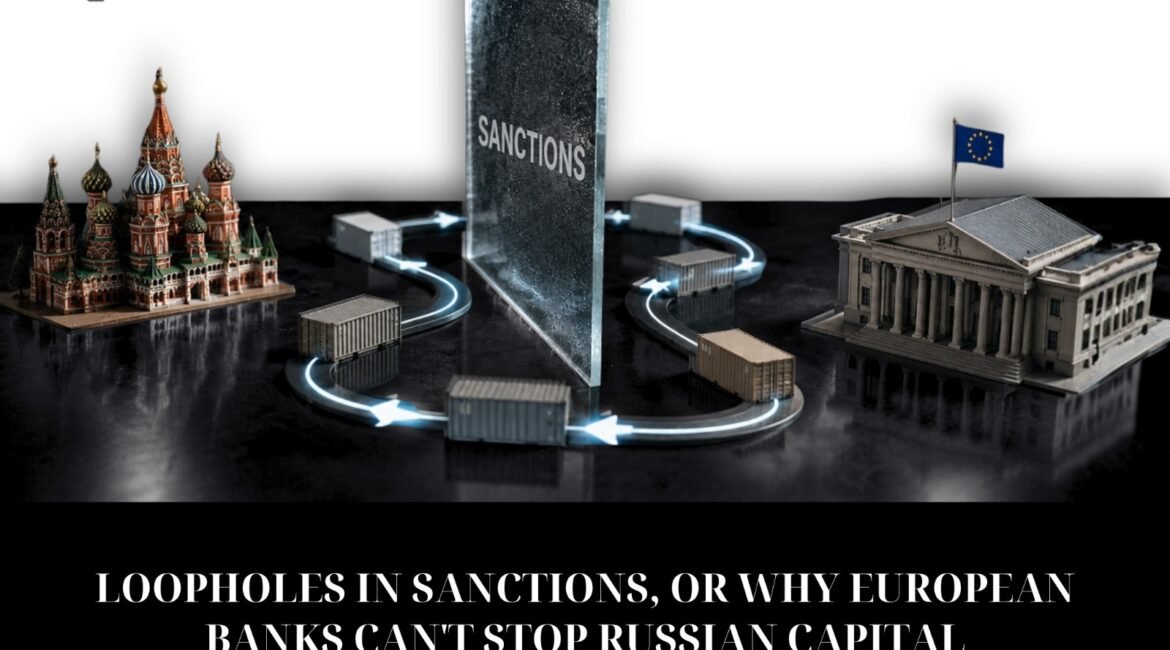
On 19 May 2026, OFSI (Office of Financial Sanctions Implementation) fined the London branch of Deutsche Bank £165,000 for violations of the sanctions regime against Russia and published investigation materials showing that Deutsche Bank had processed two payments totalling £635,619 in June and July 2022 to the Russian streaming service...
Iceland under fire from disinformation ahead of referendum
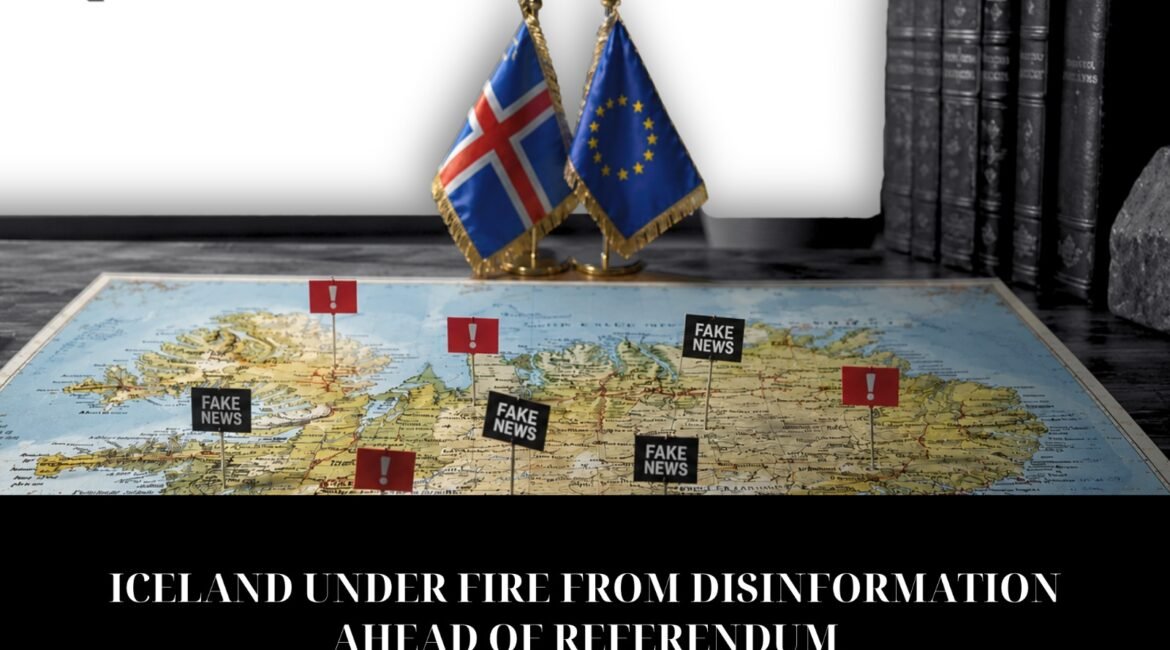
After the financial collapse of 2008, Iceland became one of the few European countries where the idea of joining the European Union transformed from a discussion into a matter of national survival. Today, nearly two decades later, the country is revisiting the topic of European integration — but in an...
Invisible confrontation between Russia and NATO in the skies over the Baltic
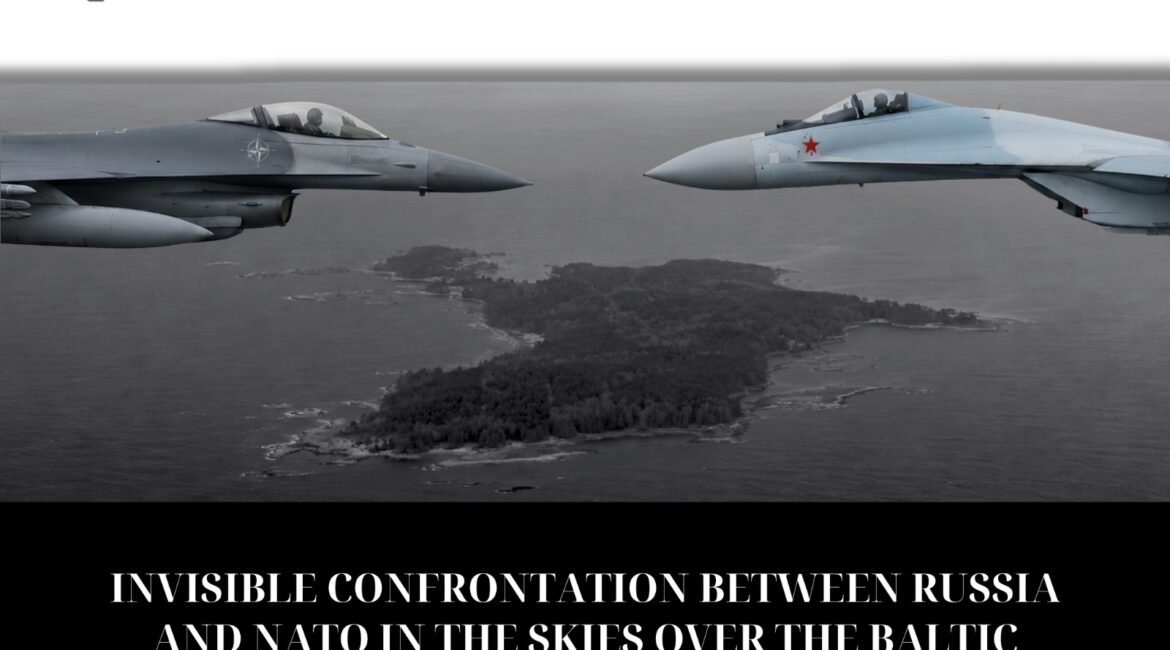
The Baltic region is becoming a testing ground for a new kind of hybrid warfare—one of the most dangerous zones of electronic confrontation between Russia and NATO, where strikes are delivered not with missiles but with radio signals. What just a few years ago was considered isolated technical failures has...
“Storm-1516” against Armenia: how Russia conducts hybrid warfare with fake investigations
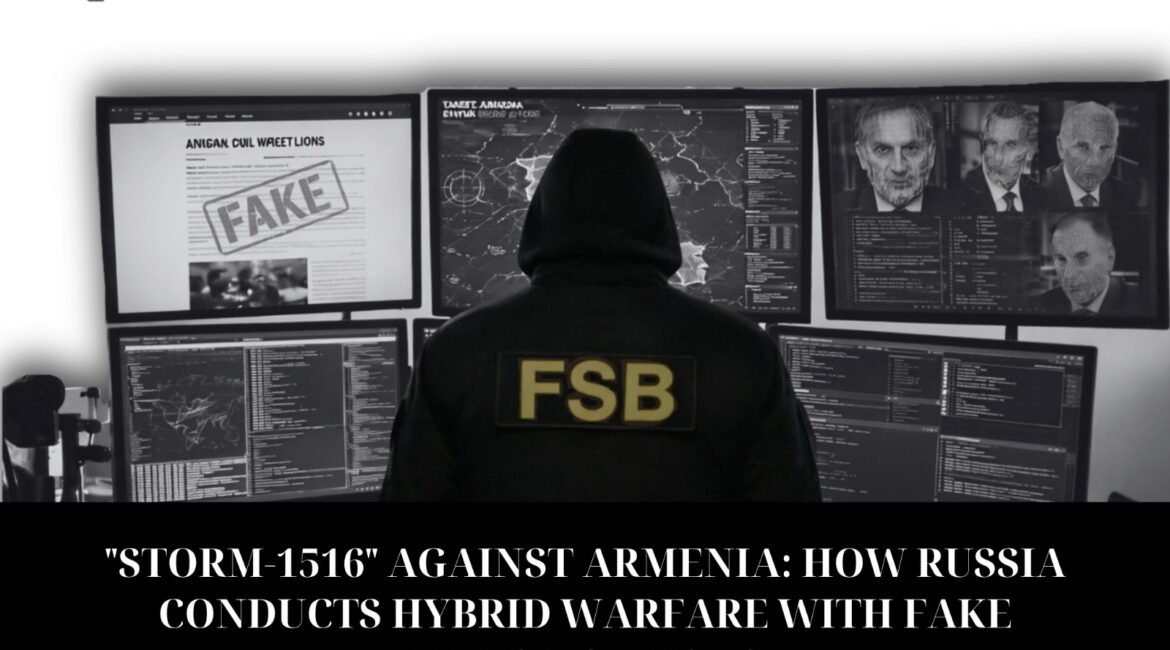
Until 2020, Armenia remained one of the most Russia-dependent states in the South Caucasus. However, its defeat in the war over Nagorno-Karabakh and the subsequent events dramatically changed the situation. In 2023, Prime Minister Nikol Pashinyan publicly declared that Armenia’s exclusive reliance on Russia for security matters had been a...
How sanctions did not prevent the Kremlin from making money from oil
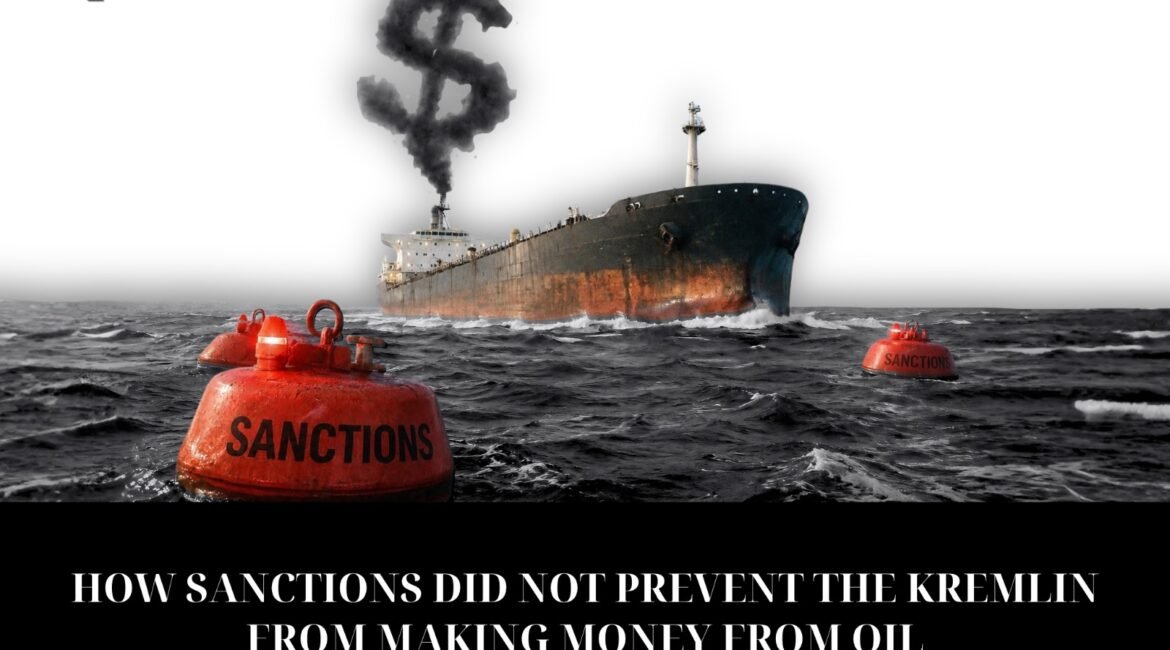
Despite the sanctions imposed and the fight against the “shadow” fleet, Russian oil processed in third countries will now enter European markets officially and completely legally. The decision of the UK on May 19, 2026, which allowed the import of Russian fuel following similar exceptions from the US, effectively legalized...
Tenders, kickbacks, and unnecessary surgeries – the anatomy of medical corruption in Europе
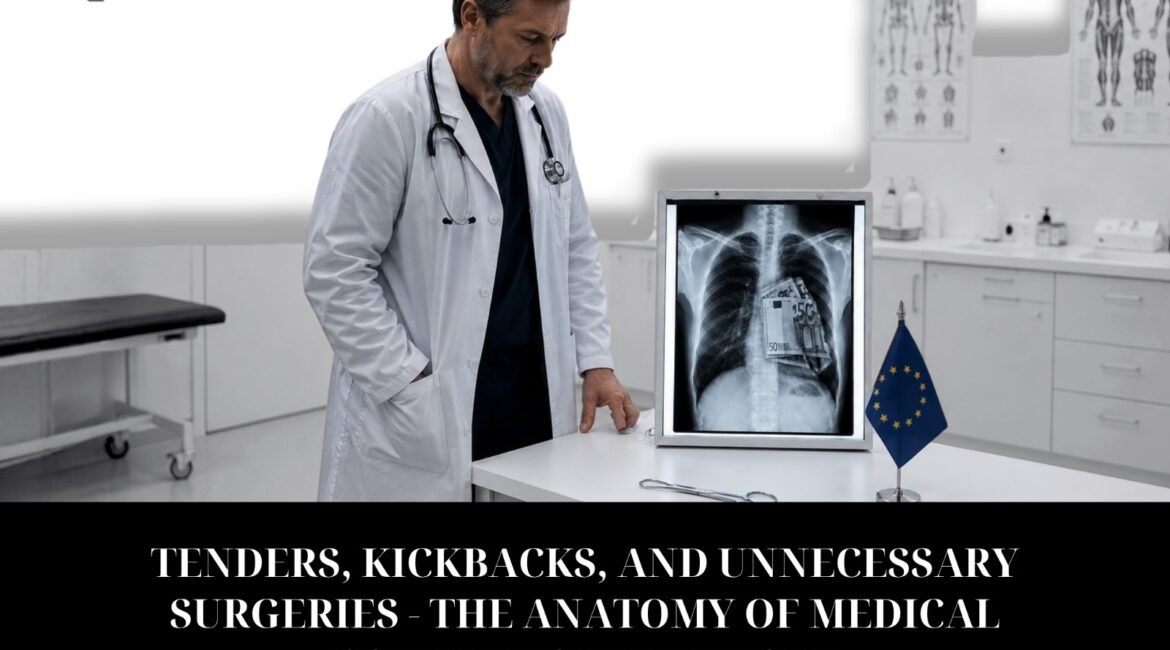
On February 24, 2025, the Czech police, in cooperation with the European Public Prosecutor's Office (EPPO), conducted the largest anti-corruption operation in the history of Czech healthcare. The investigation involved more than 350 law enforcement officers, 22 people were detained, and 46 searches were carried out. The director of the...
Romania’s anti-corruption machine has become a shield for the political class
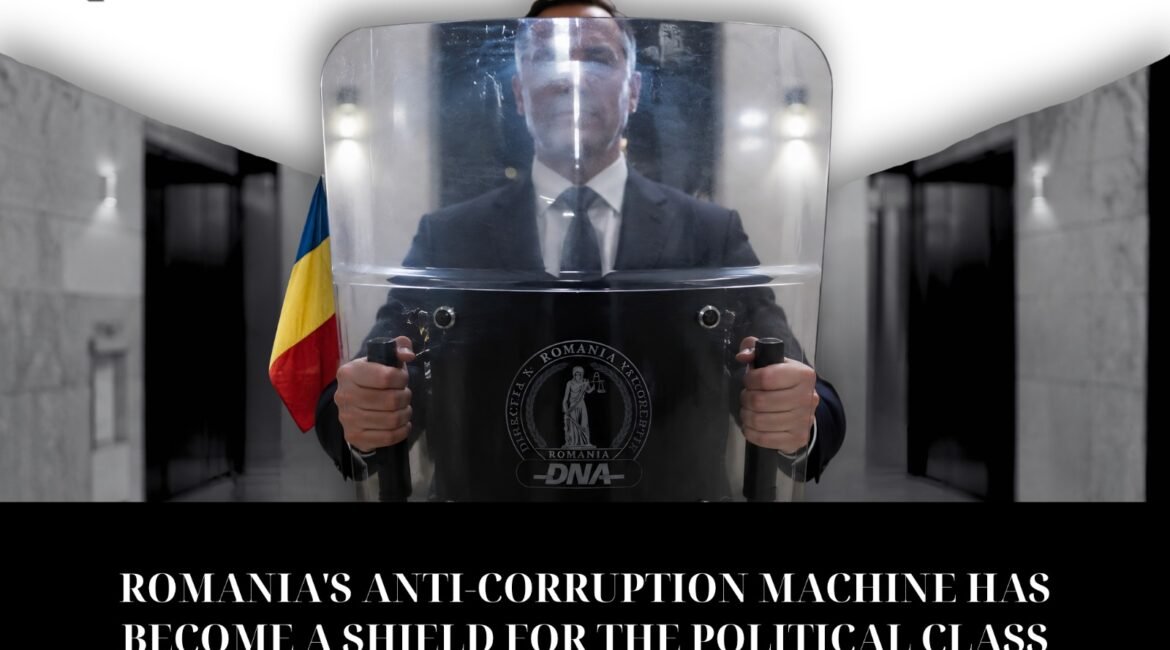
On January 1, 2007, when Romania joined the European Union, Brussels viewed the reform of its judicial system as one of the key tests of the country’s ability to become a full-fledged European democracy. Corruption in state institutions at the time was chronic, and according to Transparency International data, in...
How the nature of cyber warfare has changed in the EU
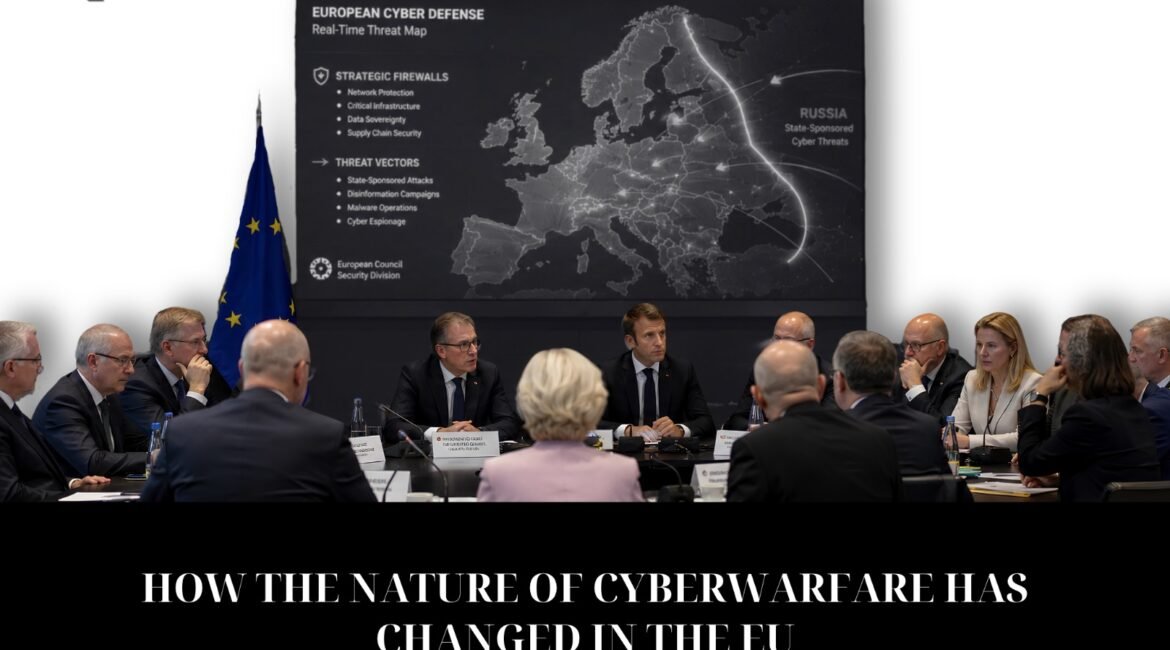
Over the past five years, the nature of cyber warfare in Europe has undergone a fundamental transformation. Before 2022, cyberattacks in the EU were primarily associated with criminal extortion, industrial espionage, and occasional state-sponsored operations. Since Russia's full-scale invasion of Ukraine, they have become an integral part of hybrid warfare...
The FSB’s shadow over European science
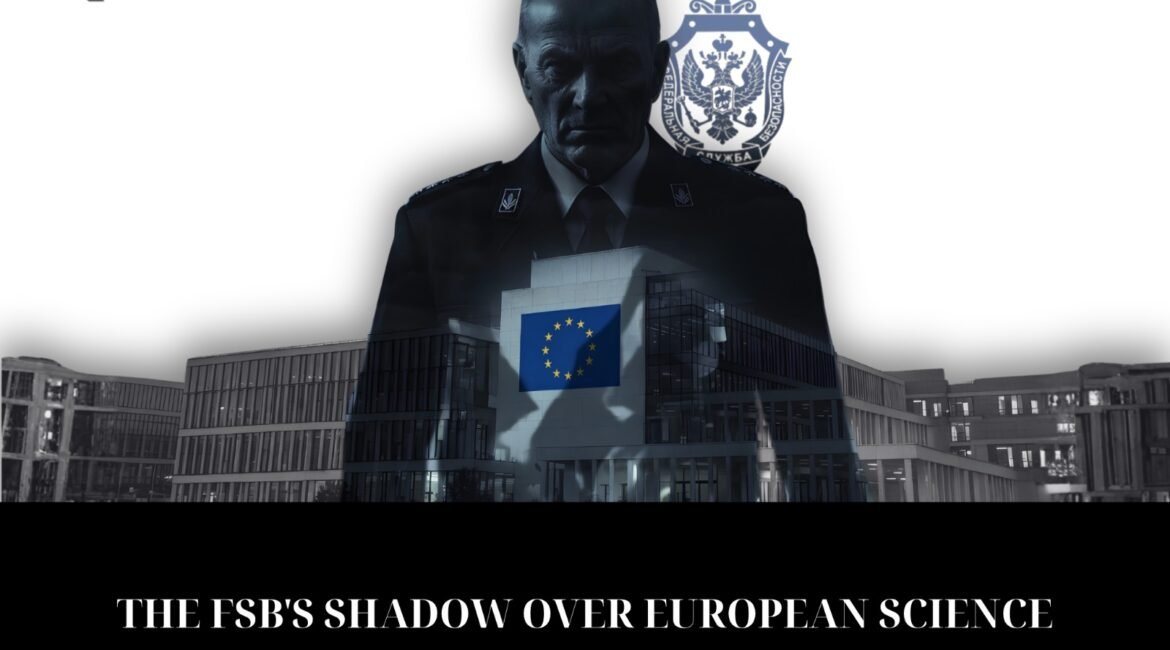
While European policymakers introduce new sanctions against Russia and talk about protecting critical technologies, one of Europe's leading academic publishers, De Gruyter Brill, continues to collaborate with Russian scientific institutions that have ties to the FSB and the military-industrial complex. Immediately after the full-scale invasion of Ukraine began in February...