
Vladimir Putin signed a highly controversial federal law that effectively gives him carte blanche to deploy the Russian army abroad under the pretext of "protecting Russian citizens." The new document allows the president to unilaterally authorize military operations against any country allegedly "persecuting" Russian citizens under foreign or international court...
European countries reacted sharply to the Kremlin’s threats to launch new strikes on Kyiv
European capitals condemned the Kremlin's latest threats to launch massive strikes on Kyiv, calling them a "dangerous escalation" and "an attempt to intimidate not only Ukraine but the entire continent." The reaction was prompted by recent public rhetoric from high-ranking Russian officials, who openly declared their readiness to "strike Kyiv"...
The EU has published guidelines for classifying dangerous artificial intelligence
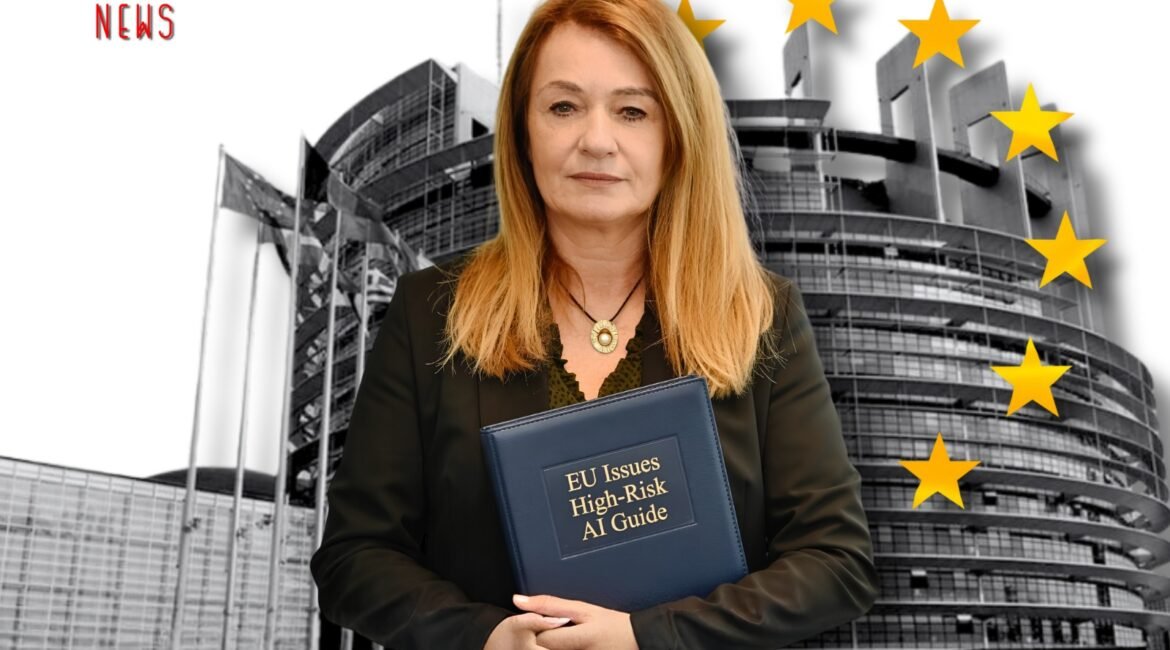
The European Commission has taken a key step toward the practical implementation of the Artificial Intelligence Act (AI Act) by officially publishing draft guidelines for classifying high-risk AI systems. This document aims to provide legal clarity for developers and companies using advanced technologies in the EU. The main goal of...
The British Army conducted a large-scale exercise in an abandoned London underground station
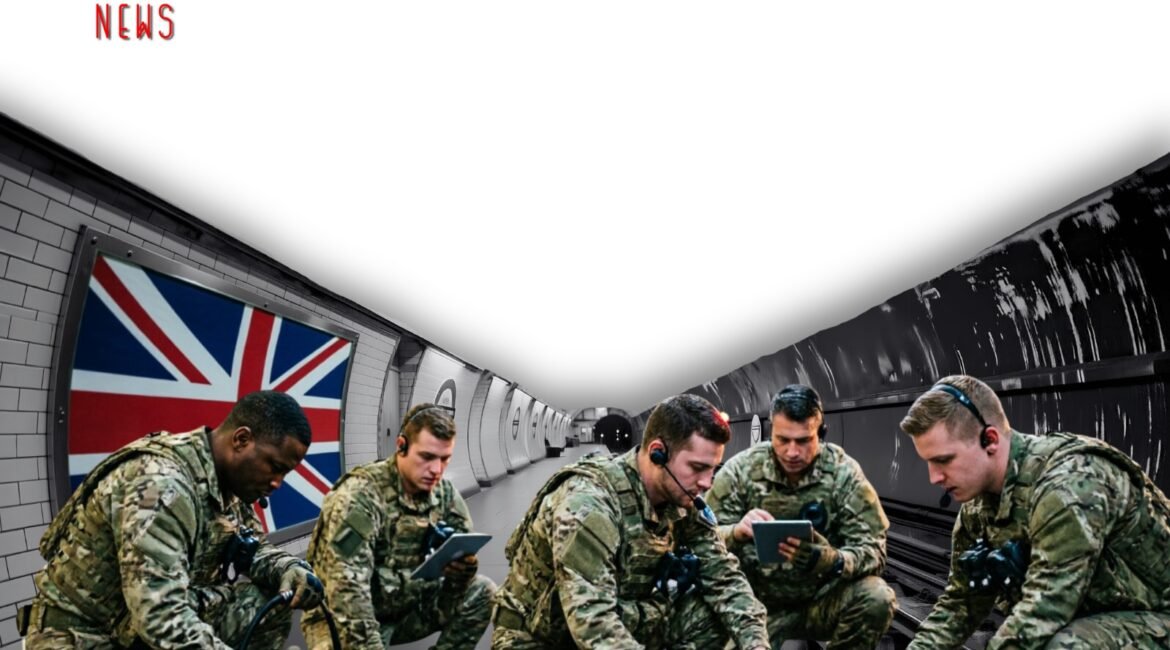
The British Army, together with NATO allies, conducted a major command post exercise, Arrcade Strike, rehearsing a response to a possible Russian invasion of the Baltic states. The exercise took place in an unusual and secret location – the abandoned platforms of Charing Cross underground station in central London. According...
The Defence Minister’s plane was affected by Russian electronic warfare systems over the Baltic

While flying near the Russian border, a Royal Air Force aircraft carrying Defence Secretary John Healey temporarily lost GPS signal, The Times reported, citing sources in the UK Ministry of Defence. The incident occurred in airspace over the Baltic Sea. According to the British side, the signal loss was temporary...
How the nature of cyber warfare has changed in the EU
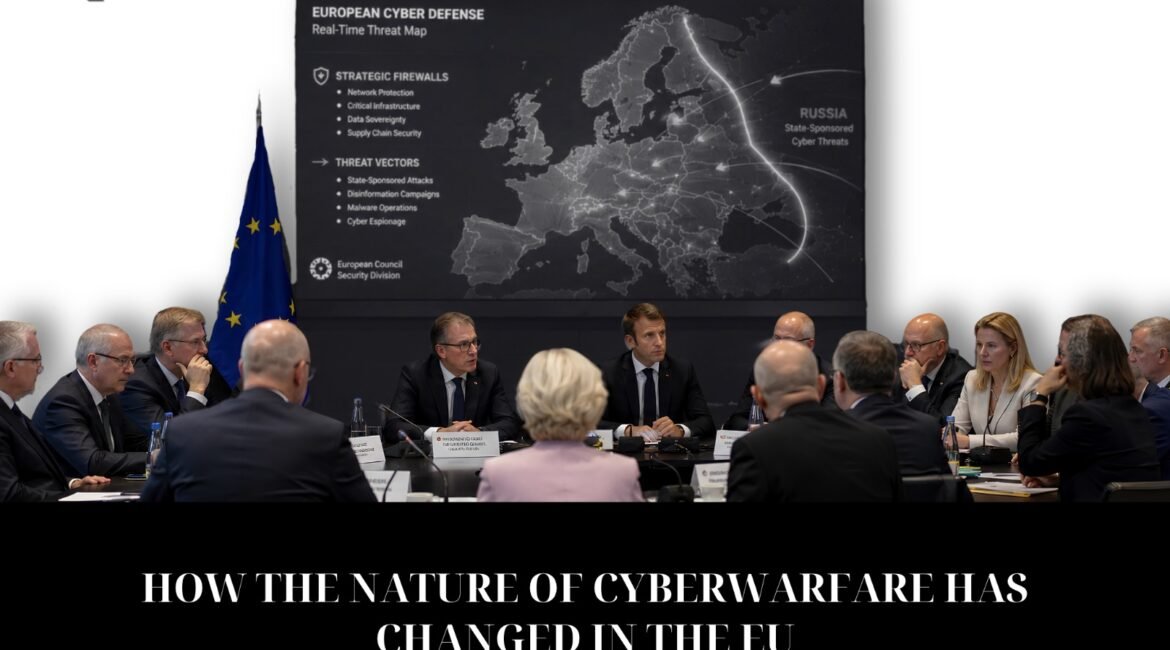
Over the past five years, the nature of cyber warfare in Europe has undergone a fundamental transformation. Before 2022, cyberattacks in the EU were primarily associated with criminal extortion, industrial espionage, and occasional state-sponsored operations. Since Russia's full-scale invasion of Ukraine, they have become an integral part of hybrid warfare...
The President of the European Parliament declared that alternatives to Ukraine’s full EU membership are unacceptable

The President of the European Parliament, Roberta Metsola, stated that the European Union must respond to the pace of Ukraine's reforms with the same speed with which Kyiv adapts its legislation to the bloc's standards. She made this statement at the GLOBSEC security conference in Prague. According to Metsola, Ukraine,...
An explosion occurred at a MOL refinery in Hungary

A powerful explosion occurred at a facility belonging to MOL, Hungary's largest oil and gas company, according to Hungarian Prime Minister Péter Magyar. According to the Prime Minister, one person was killed and several others were seriously injured in the incident. The exact number of victims and the severity of...
The FSB’s shadow over European science
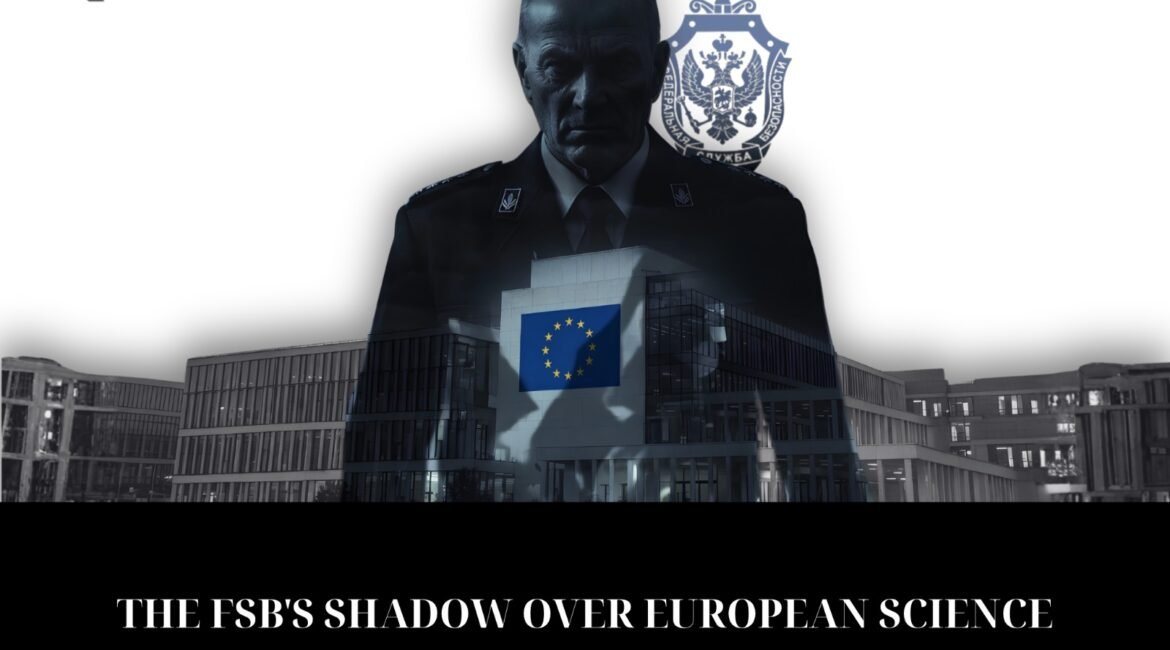
While European policymakers introduce new sanctions against Russia and talk about protecting critical technologies, one of Europe's leading academic publishers, De Gruyter Brill, continues to collaborate with Russian scientific institutions that have ties to the FSB and the military-industrial complex. Immediately after the full-scale invasion of Ukraine began in February...
European Union set a record for deportations in 2025
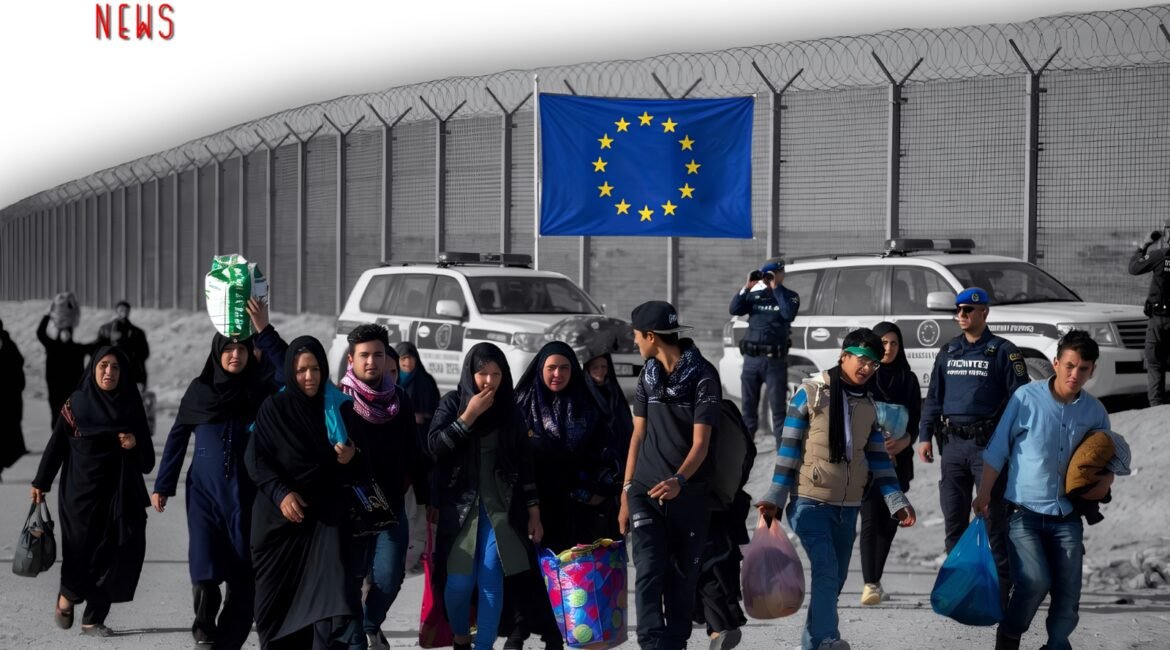
EU member states continue to significantly tighten their migration policies. According to Euronews, in 2025 the number of forced deportations reached its highest level in the past ten years, against a backdrop of a sustained decline in the flow of new asylum seekers. Over the past four years, the number...