
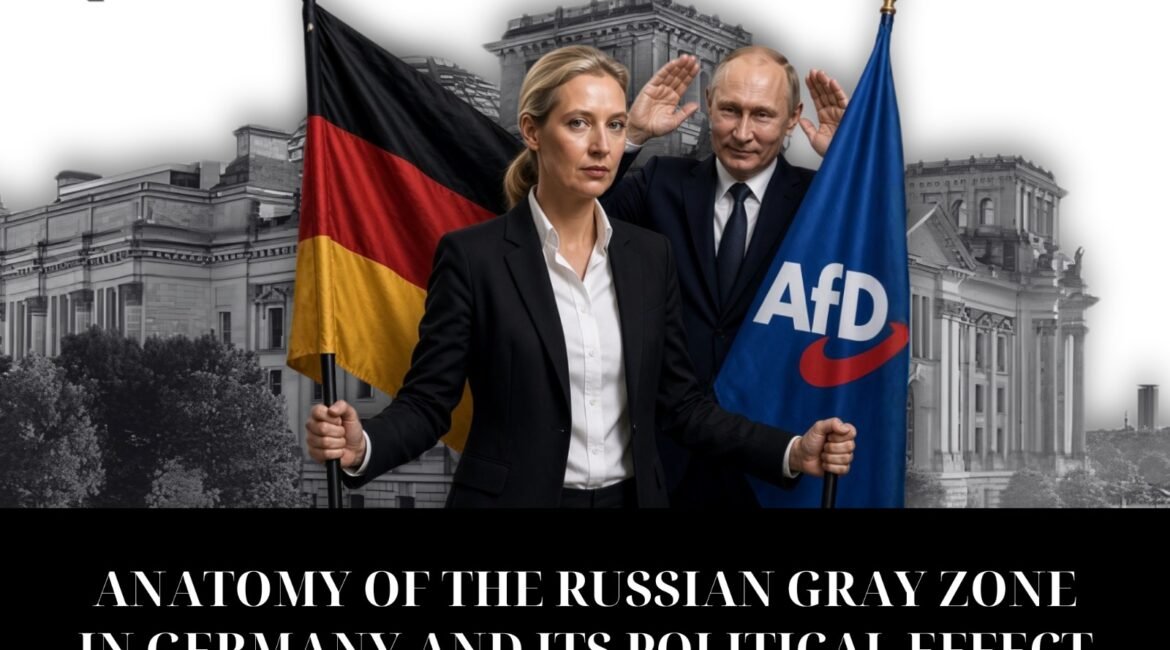
On 1 September 2026, the German federal government attributed to the Russian Federation an attempted sabotage using unmanned aerial vehicles at Leipzig Airport. According to assessments by Germany’s interior and foreign ministers, as well as the police investigation, the nature of the means employed and the available intelligence indicate actions...
Support for Ukraine is becoming a target of hybrid attacks across the EU
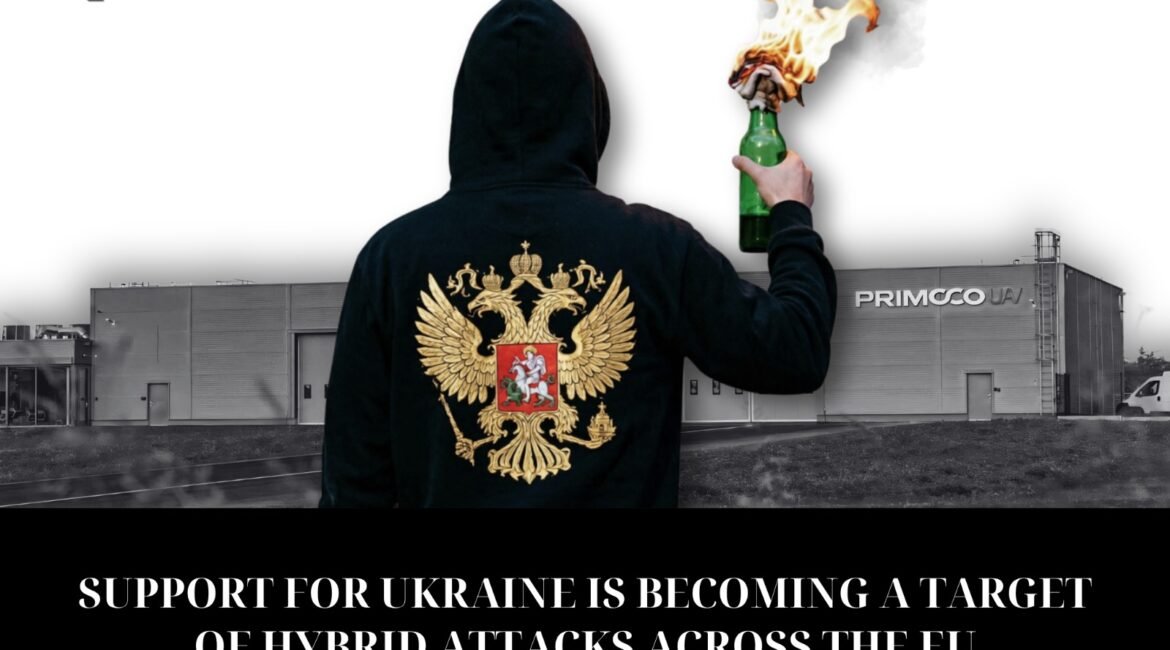
Throughout 2026, warnings regularly appeared in the European information space that Russia was preparing new hybrid operations against NATO countries. Those warnings were not unfounded. Western intelligence services have repeatedly said that Moscow uses sabotage, cyberattacks and information campaigns as tools of political pressure on the West. In the second...
Russia is infiltrating the EU with its radical agents from African countries

The case of prominent Pan-African activist Kemi Seba could become one of the most illustrative examples of how influence networks established by Russia in Africa may now be used against Europe itself. On 16 April 2026, the Associated Press reported that Kemi Seba was detained in Pretoria by South African...
Slovenia has proved vulnerable to the threat of Russian espionage
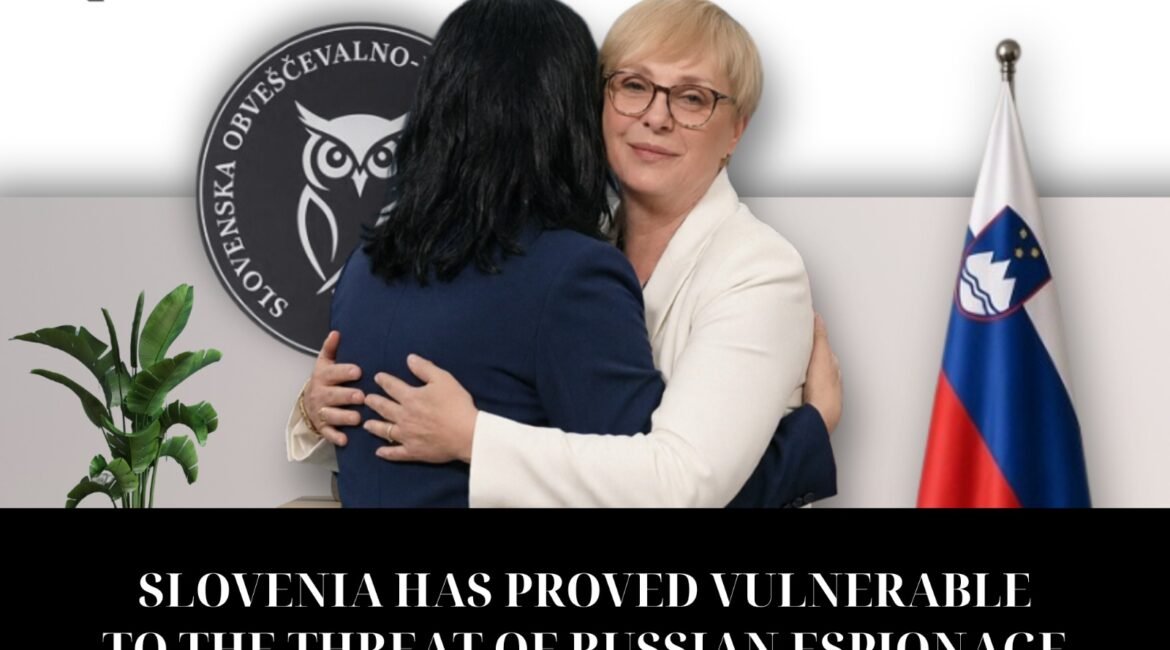
The car accident involving Slovenian President Nataša Pirc Musar in late July 2026 raised a number of questions not only regarding the organisation of her security but also concerning potential shortcomings and significant counterintelligence gaps in the protection of the head of state. The incident attracted additional attention because the...
Russia is expanding its network of drone launch bases along NATO’s eastern border
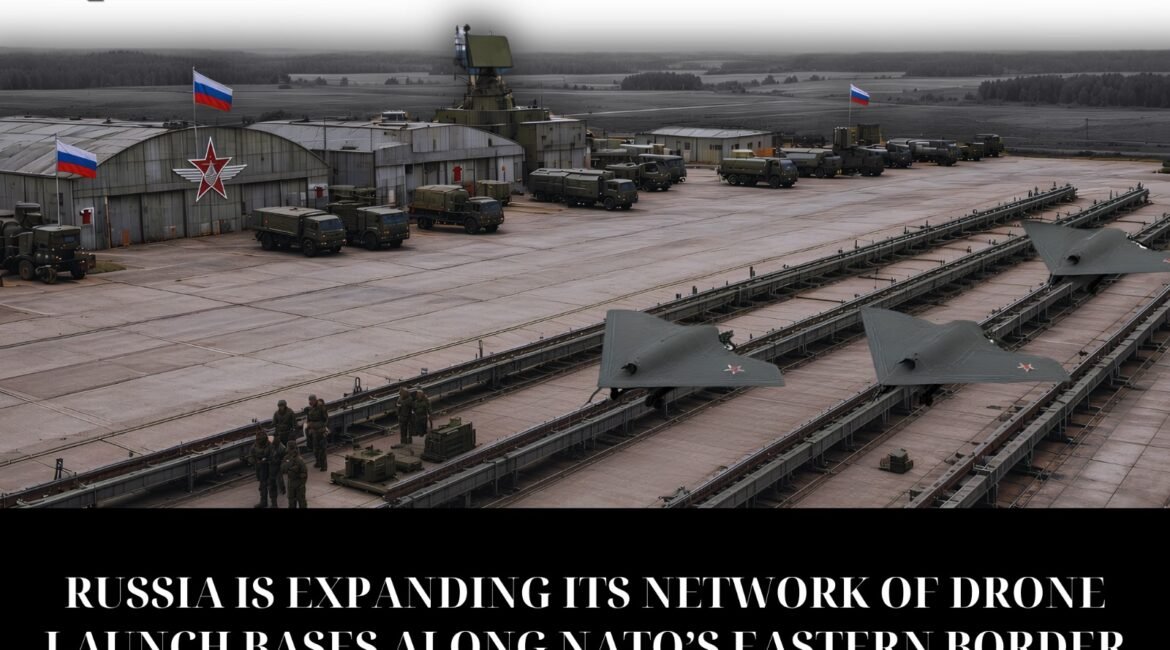
Amid Russia’s ongoing hybrid escalation, Moscow has begun rapidly developing and upgrading infrastructure in the European part of the Russian Federation to support the large-scale deployment of long-range unmanned aerial vehicles (UAVs). On 16 August 2026, The Telegraph reported that satellite imagery had identified at least 10 newly established or...
Russia is using its own financial platform A7 to circumvent sanctions
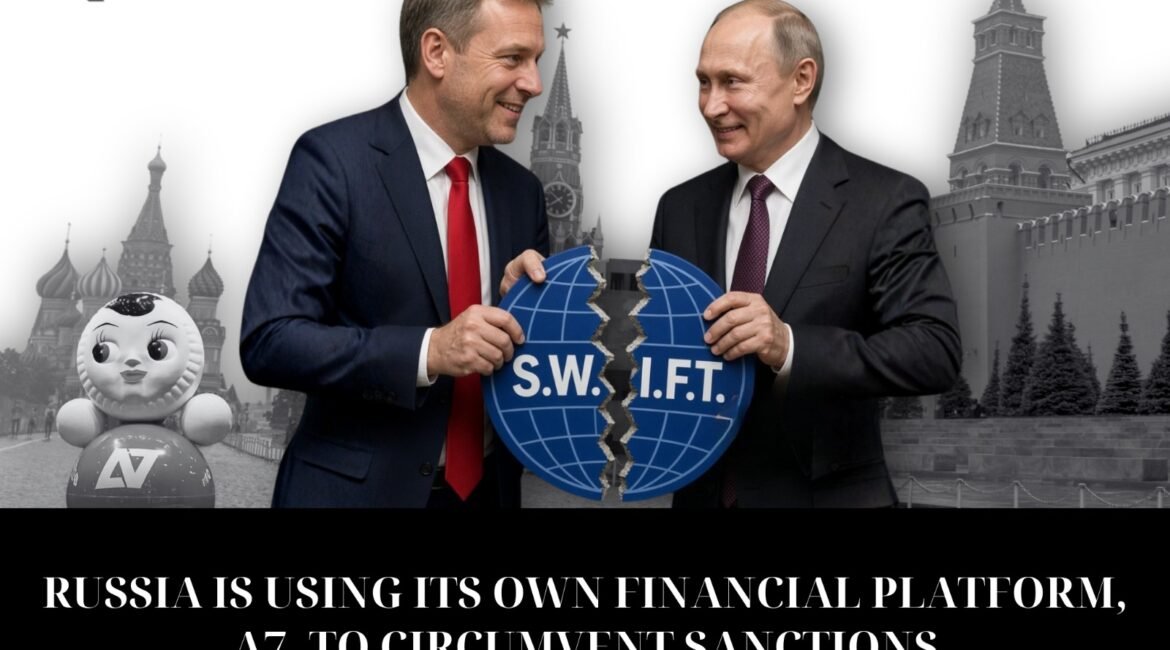
The A7 payment system was established and launched in 2024 by Promsvyazbank (PSB), a Russian state-owned bank serving the country’s Defence Supply Base (DSB). In the Russian Federation, the entity is legally registered as LLC A7 (Obshchestvo s ogranichennoi otvetstvennostiu A7). Promsvyazbank provided the newly established company with its own...
Timber under a foreign flag: How Central Asia became a hub for evading sanctions on Belarusian wood
After Russia’s full-scale invasion of Ukraine, on 2 March 2022 the European Union imposed a complete ban on the export of Belarusian timber, while the Forest Stewardship Council (FSC) fully suspended all trade certificates for materials of Belarusian and Russian origin. This deprived Belarusian companies of the right to legally...
Freedom of speech as a loophole for Kremlin propaganda in the EU
After Russia’s full-scale invasion of Ukraine in 2022 and the European Union’s subsequent ban on state-controlled Russian media outlets such as RT and Sputnik, the Kremlin retained alternative channels for spreading its ideological and propagandistic narratives. One of the most effective has been niche book publishing across EU countries. Works...
From sanctions to Europe’s shadow fuel market
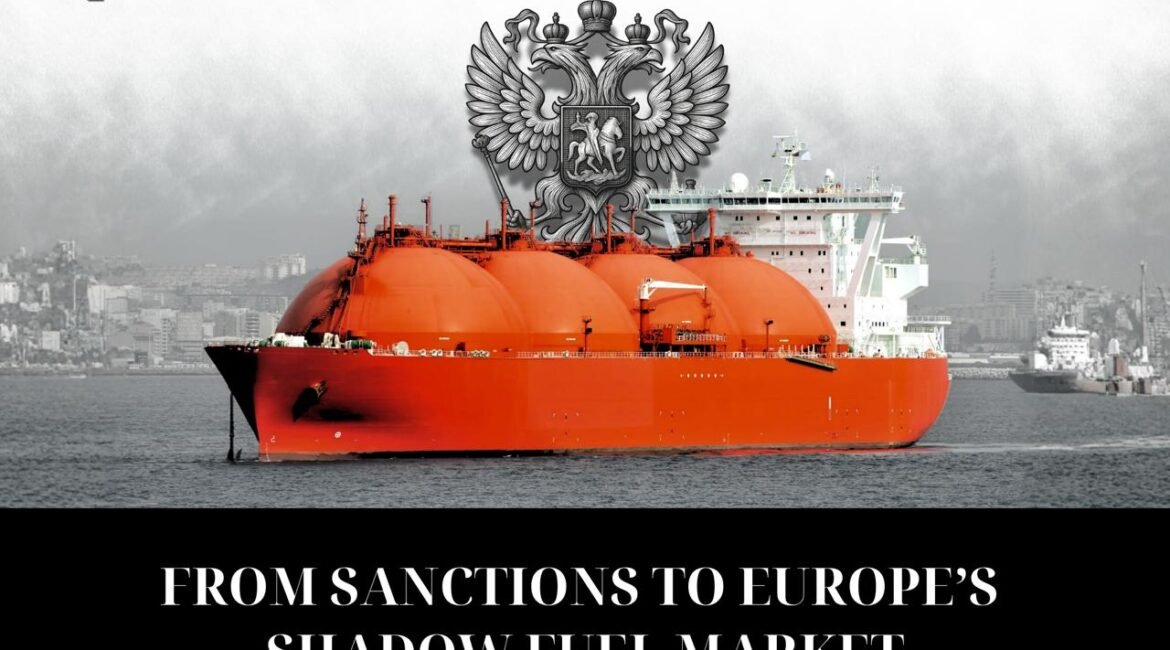
The energy “restructuring” of the European Union that began in 2022 was intended to deprive Moscow of revenue from raw material exports and to secure the European market. However, the rejection of direct supplies and the hasty redesign of logistics routes produced an unexpected side effect: while regulators and customs...
The Republika party in the European Parliament has become a mouthpiece for Russian narratives
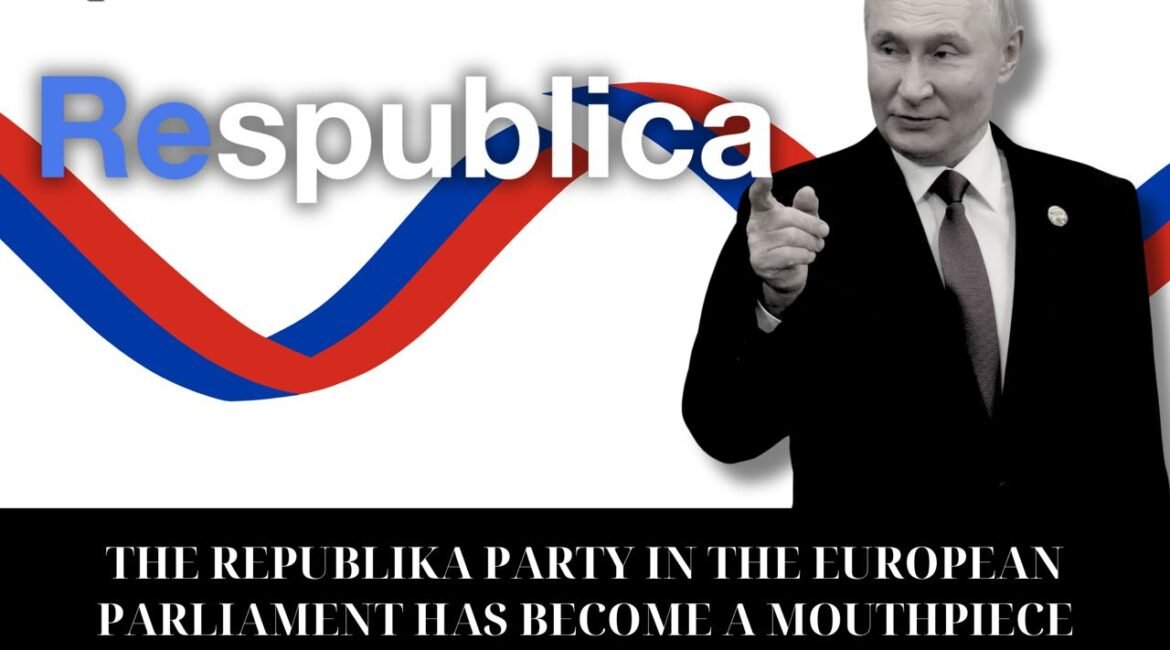
On the far-right periphery of an informal pro-Russian grouping within the European Parliament are two Slovak Members of the European Parliament (MEPs), Milan Uhrik and Milan Mazurek, representing the political movement Republika. Established in 2021 by former members of the Slovak neo-fascist party ĽSNS, of which both individuals were previously...